
North of the Royal Mile in EdinburghClick on a photo for a large version. |
Scotsman Steps EH1 1BU
Built in 1899. 104 steps link North Bridge and Market Street. Entrance from Market Street next to bridge, actually inside the building labelled The Scotsman. Listed grade A: 20-52 North Bridge, 175 and 177 High Street and 65-71 Cockburn Street are Grade A. James Dunn and James Finlay, 1899-1902. Including Scotsman Hotel, Scotsman Steps, Arcade, and Royal Mile Mansions.
By the early 21st century, the steps had fallen into disrepair and for decades had been plagued by vandalism and antisocial behaviour. As part of a planned renovation, the Fruitmarket Gallery commissioned a new public installation by Turner Prize winning artist Martin Creed to help improve the public perception of the steps. The installation, titled Work No. 1059, formed part of Creed's solo exhibition Down Over Up which was presented at the gallery in Summer 2010. The installation clad each of the 104 steps in a different type of marble, with all major marble quarries of the world represented.


Between Market St and St Giles St, east of Museum on the Mound (money museum). There are padlocks on it.

The Mound, EH1 1YZ
Entrance on Bank St. Free entry.
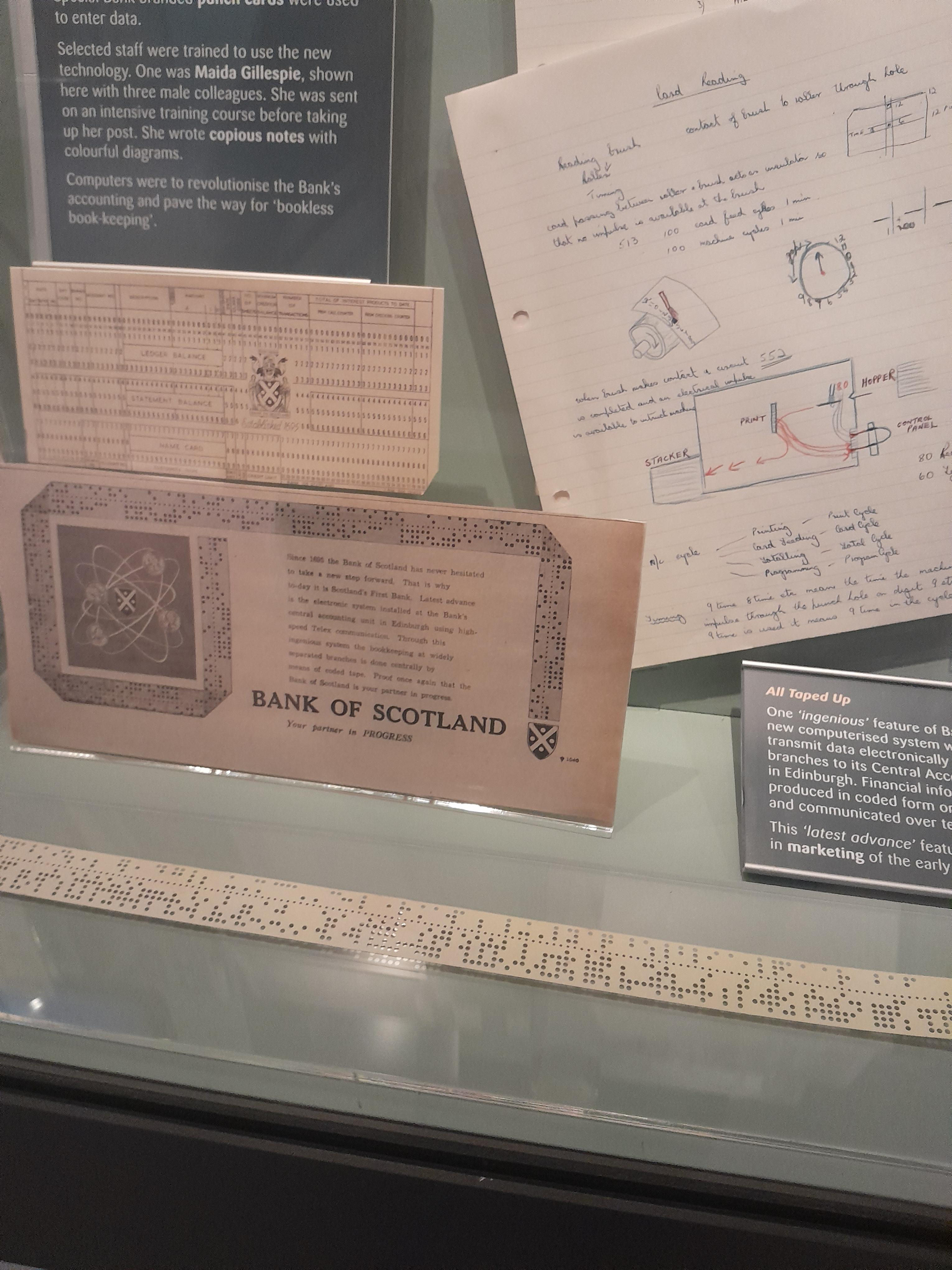
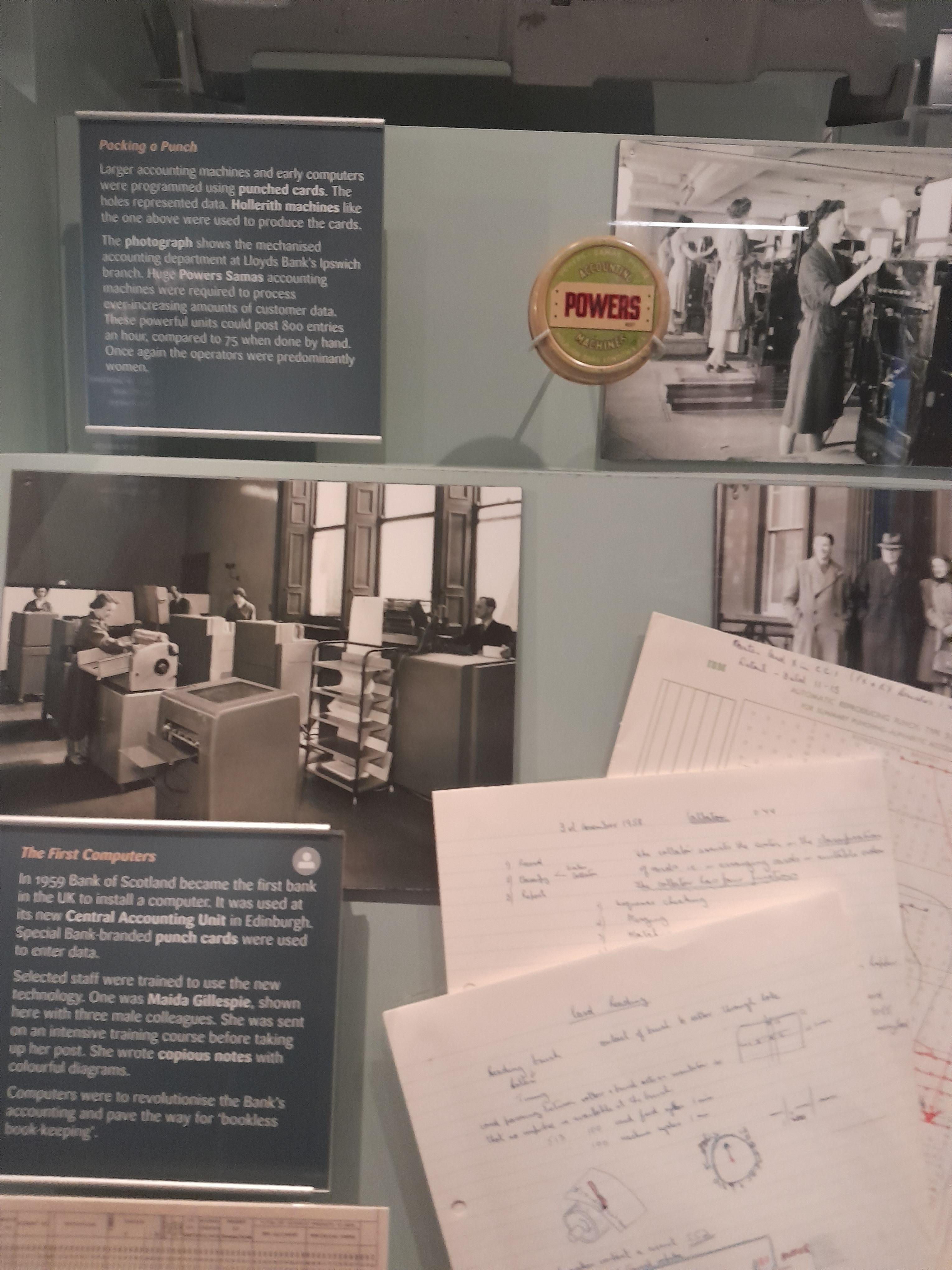
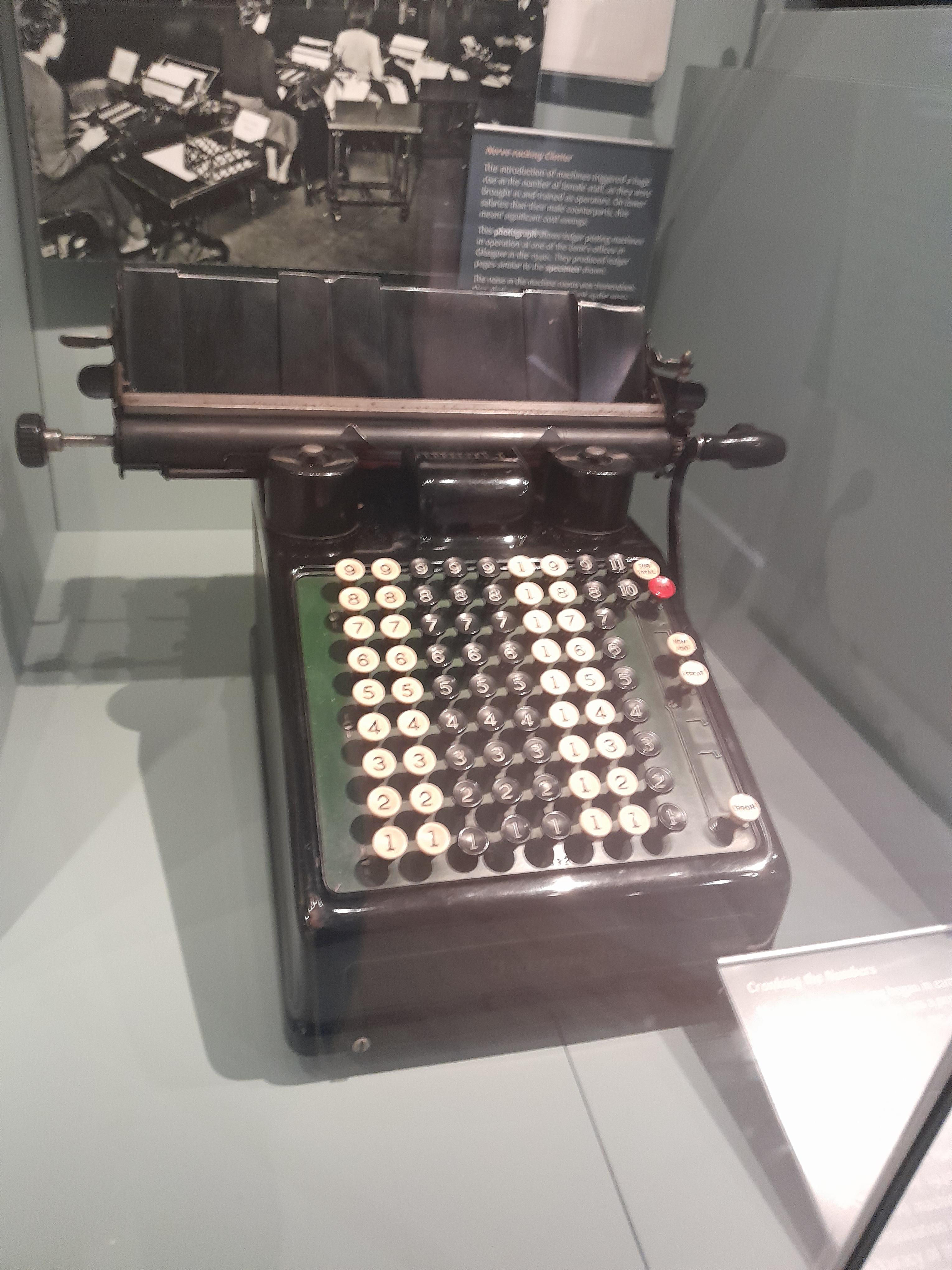
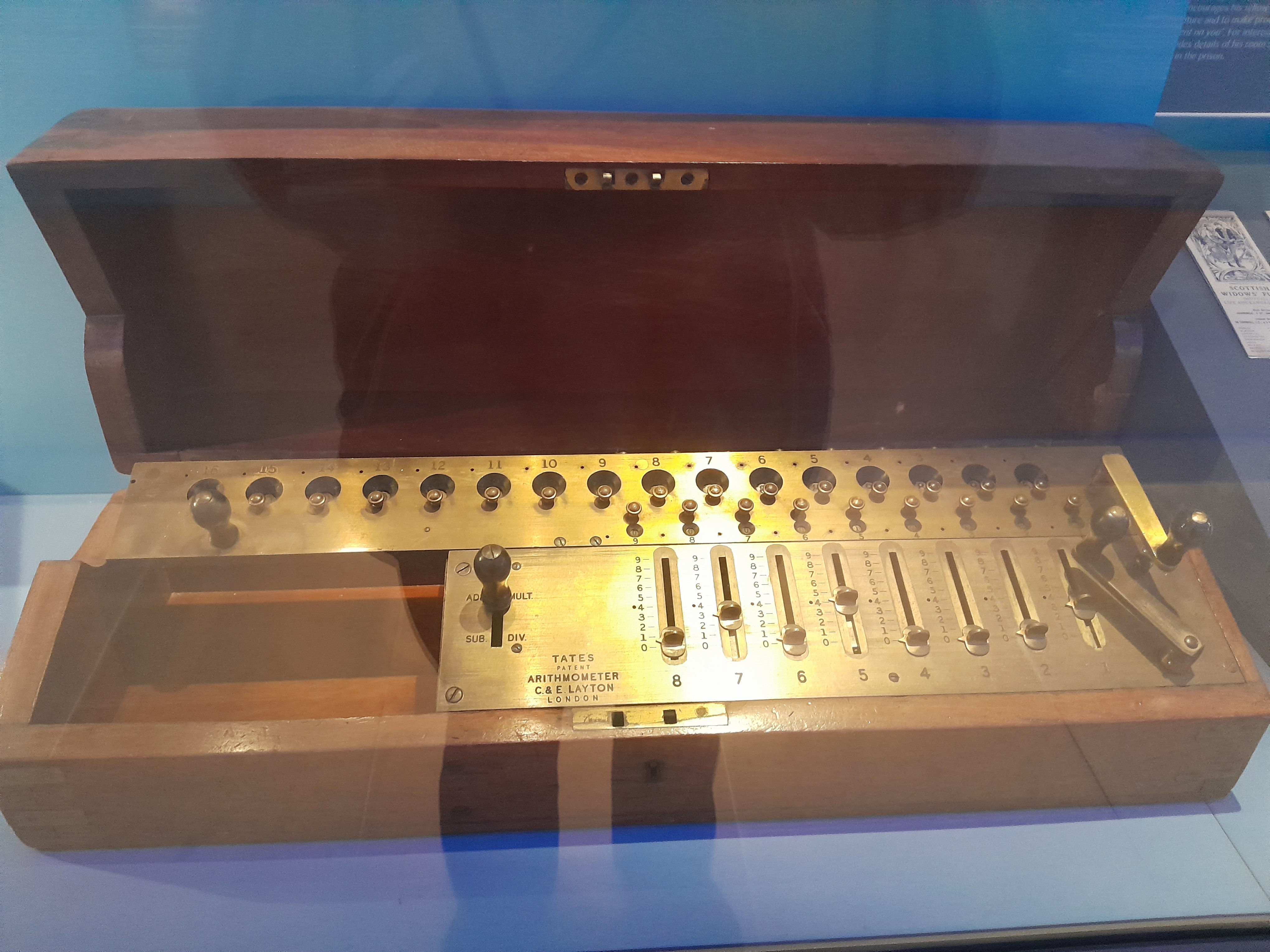
Located in the historic Bank of Scotland Head Office, this museum takes a fresh look at money. Art & design, technology, crime, trade and security - all feature in the story of money.


The Mound, EH2 2EL
Free entry
Home to world-class international and Scottish art from 1300 to 1945.
In 1919, Mr. James Cowan Smith, a British civil engineer and philanthropist, donated £55,000 to the National Gallery of Scotland. At that time this was an enormous sum (equivalent to about £2 million today). It became the foundation for the museum's acquisitions and has funded the purchase of more than 40 items. The donation, however, came with two conditions: one, that the museum would provide for his dog Fury after his death, and two, that a painting of his previous dog, Callum, would always be on display in the gallery.
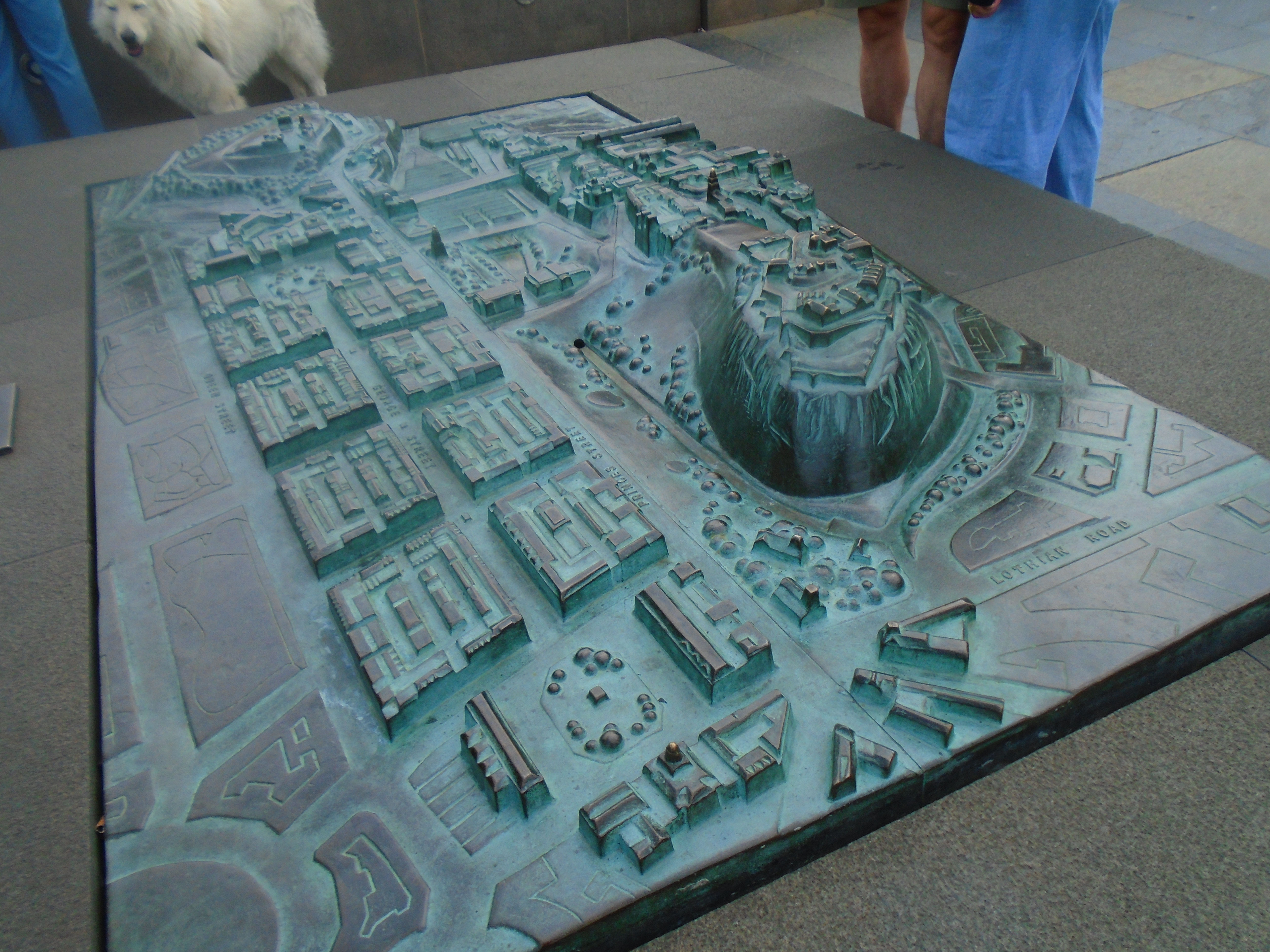
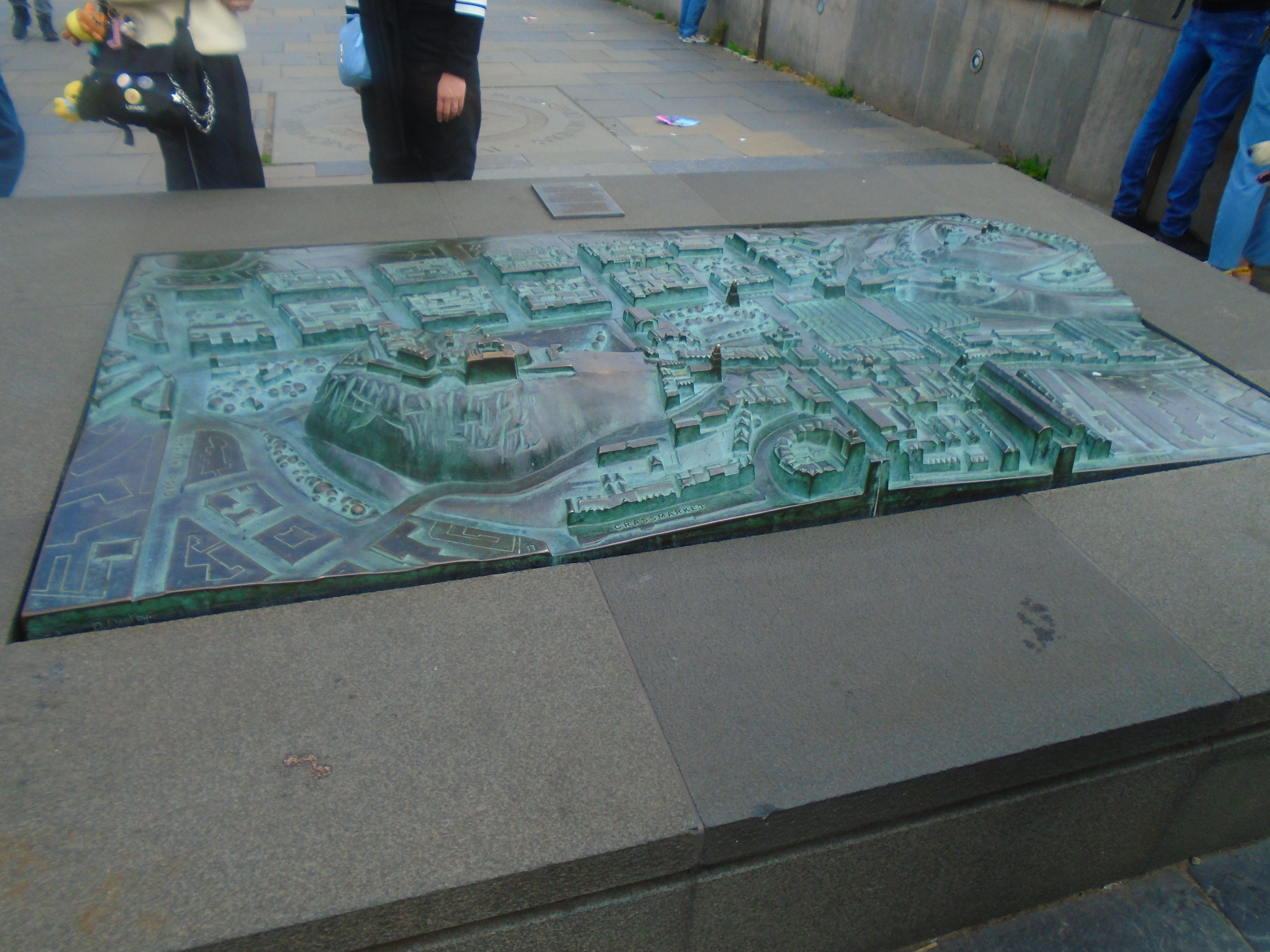
This gallery is rambling even by the standards of Edinburgh. It took me a little time to figure out that having entered (at ground level) from the Mound, we were, in fact, on the third floor. I think it wanders into the building next door, which has some fine sphinxes on. There is also a 3-D map outside, which makes sense, in Edinburgh. But it seems to cut off before Holyrood Palace.

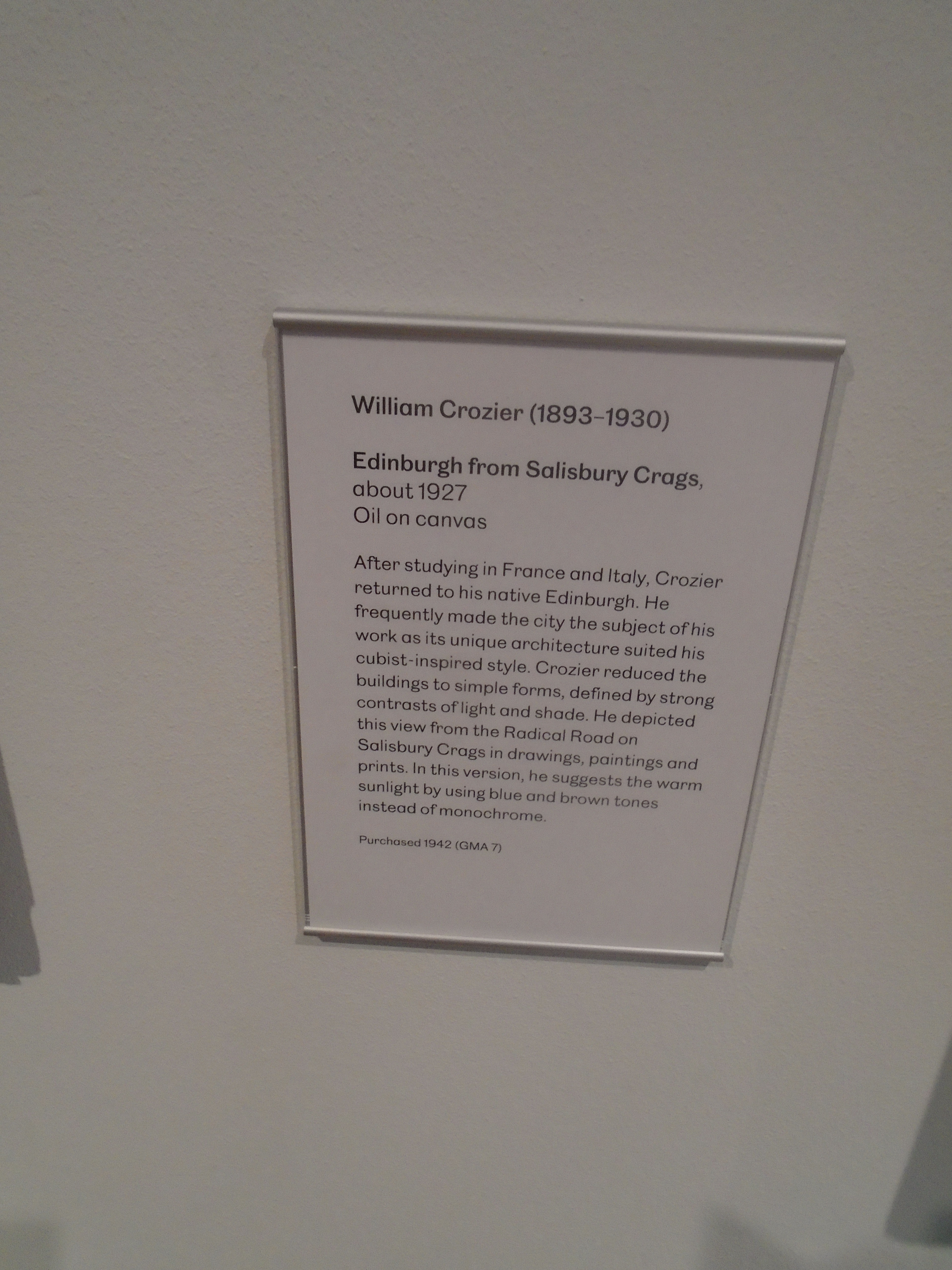
Here are my favourite paintings in the gallery:




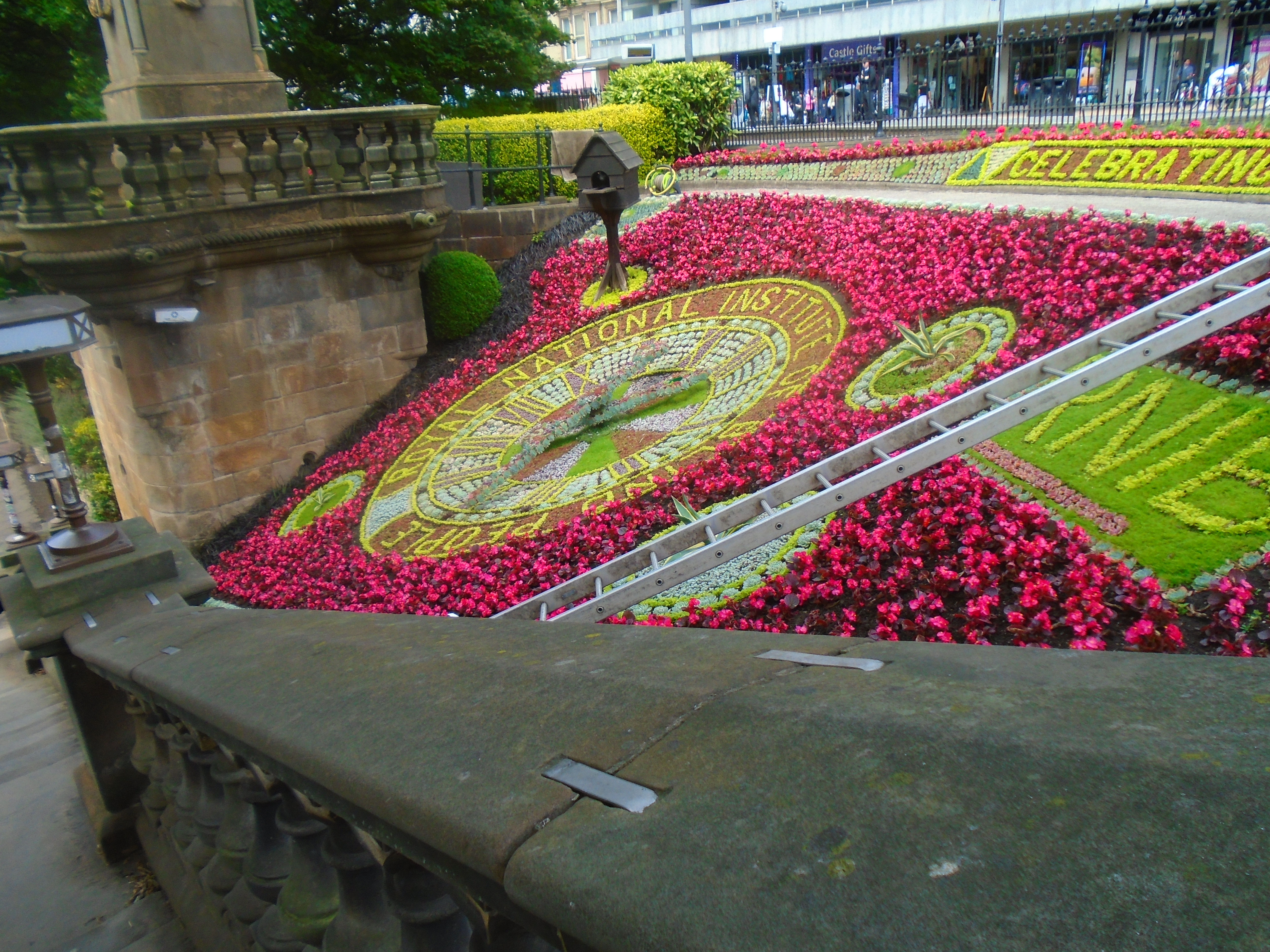
North of Edinburgh Castle. It occupies part of the area of the North Loch. You can walk round the western end of the castle, passing through St Cuthbert's Kirkyard.
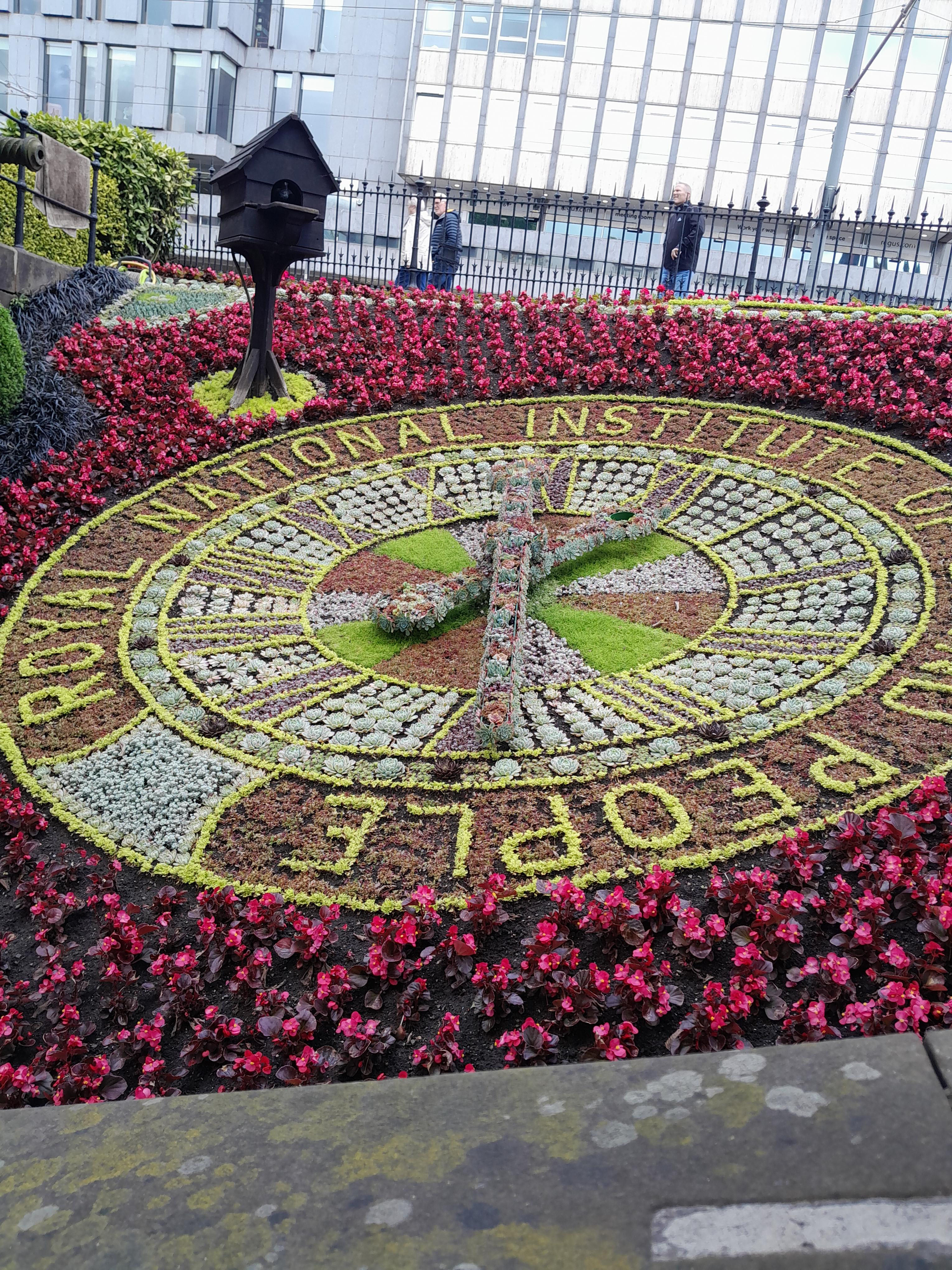
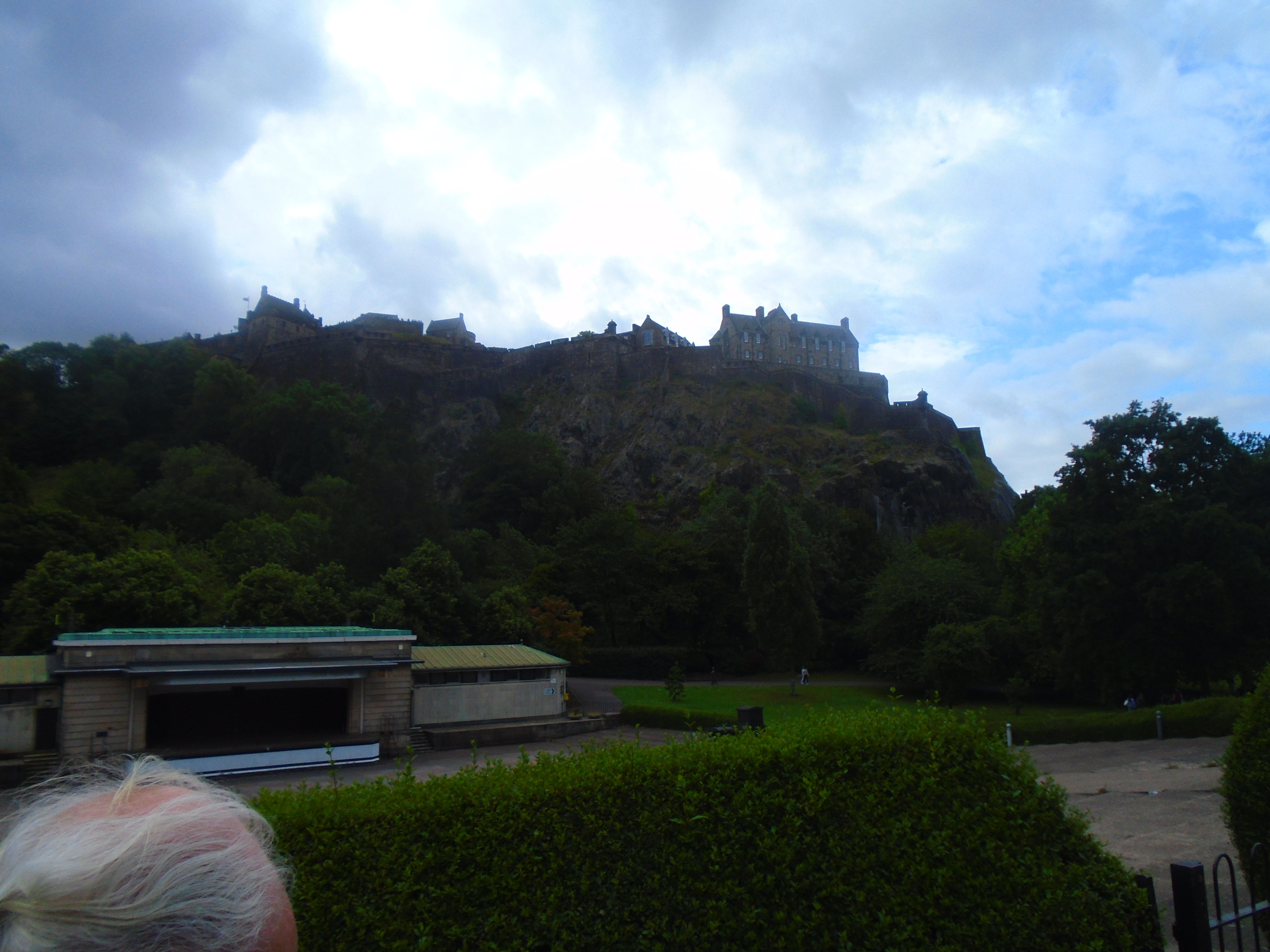

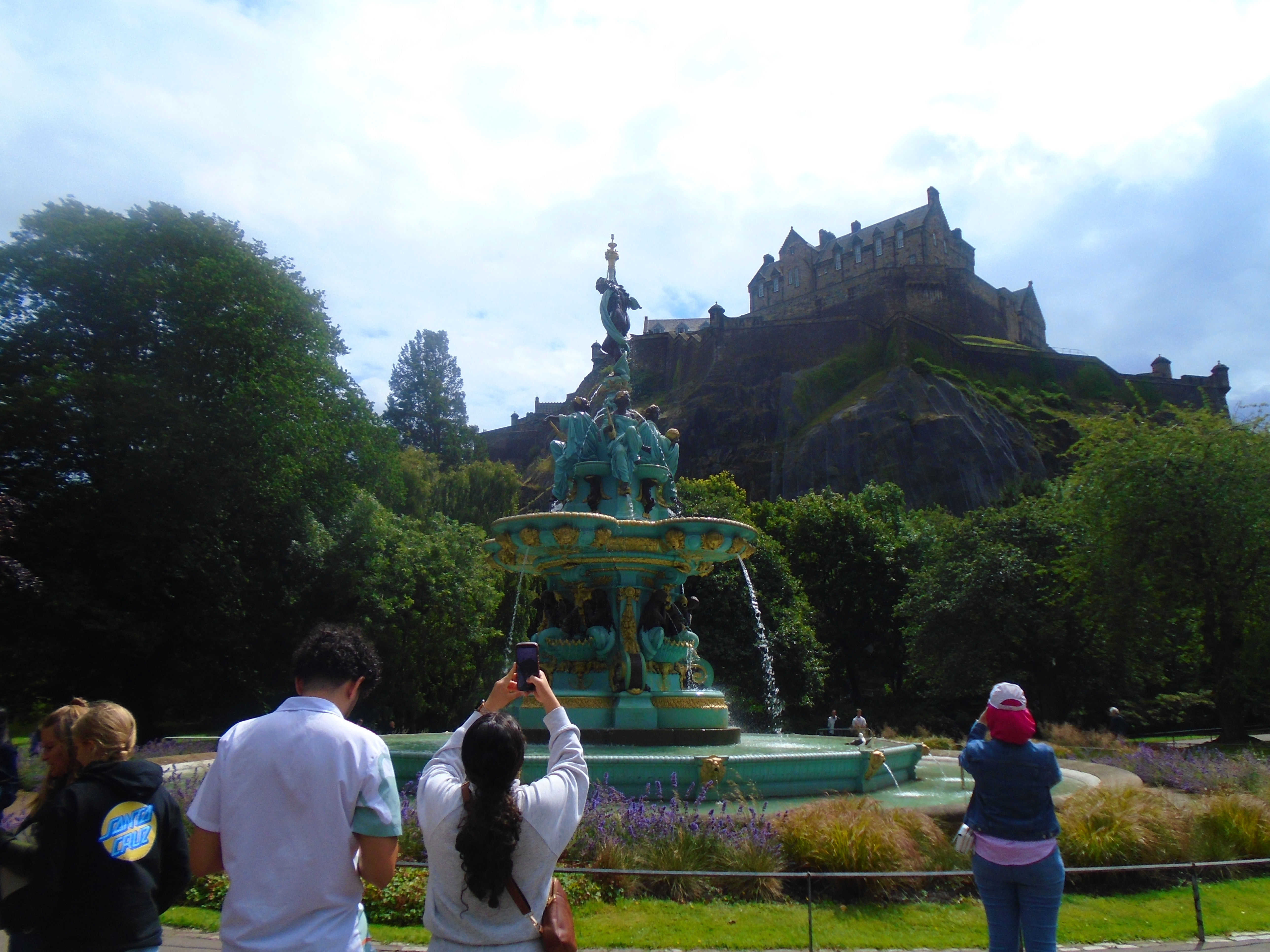
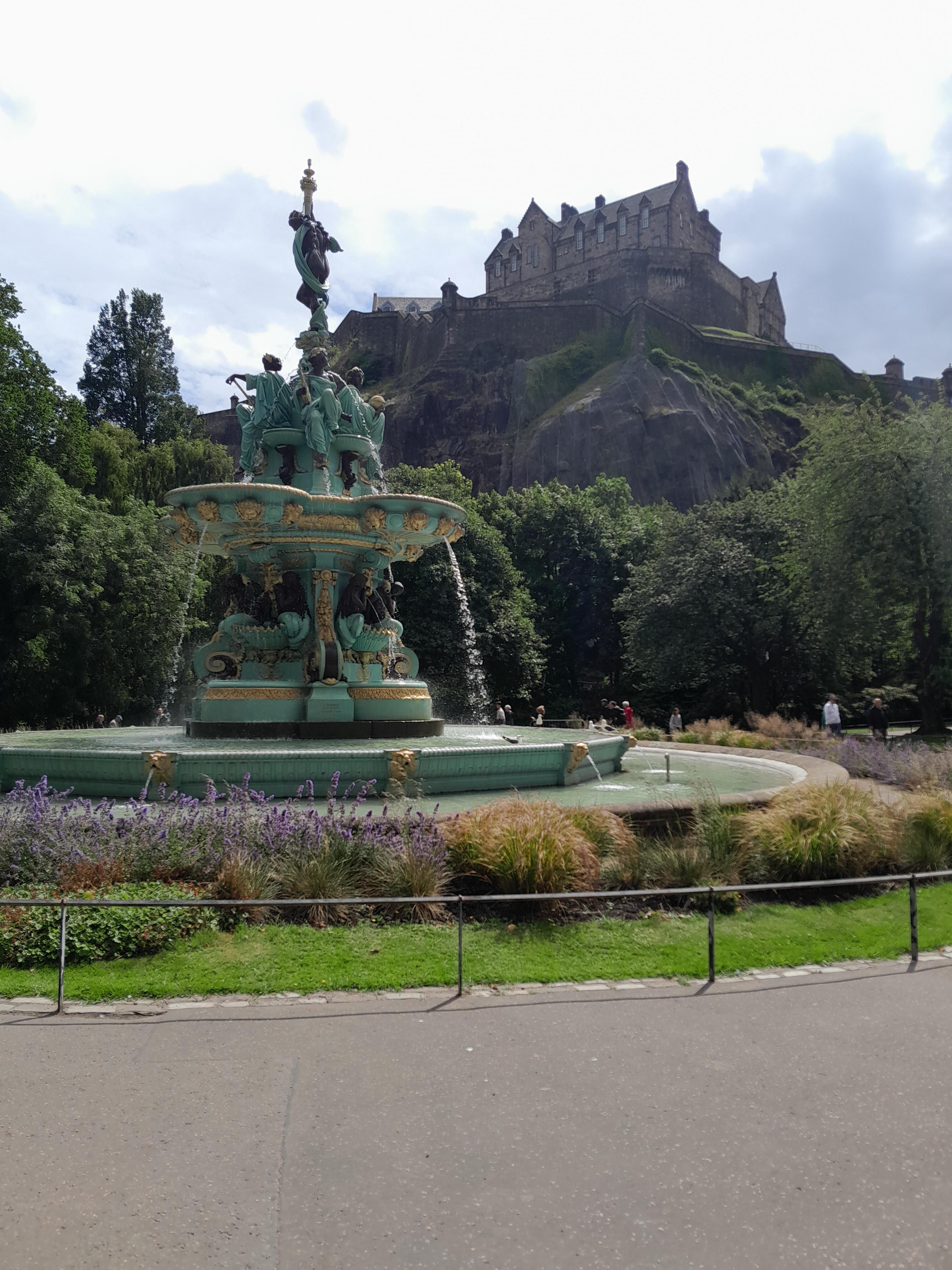
There are several monuments in the Graden.
This one refers to the Mortonhall crematorium scandal. Parents were not told that ashes were left after their babies were cremated because it would have been "too distressing".


Wojtek the Soldier Bear Memorial. Wojtek the bear's unlikely journey to Scotland—and into the annals of military history—began in Iran in 1943, when a group of Polish soldiers adopted an orphaned brown bear cub. The soldiers were members of the Polish 2nd Corps, a military unit consisting of Polish political prisoners released from Soviet gulags by Stalin after the Nazi invasion of the USSR. As they left their places of internment and moved west to join the fight against the Axis, the bear cub they adopted quickly became a popular and important boost to morale. By the time the 2nd Corps reached Egypt and prepared to transfer to the Italian war zone, the now-fully-grown bear had learned to salute and carry supplies and enjoyed drinking beer, eating cigarettes, wrestling with the soldiers, and swimming whenever he had the chance. Going into active combat, however, presented a problem, as soldiers were forbidden from bringing pets into theaters of operation (and by this point the bear had, by all accounts, thoroughly imprinted on the soldiers who had raised him). Thus, the bear was enlisted into the 22nd Artillery Transport Company of the 2nd Corps, and accordingly given an official number, the rank of private, and the name Wojtek—a common Polish name meaning "joyful warrior." Private Wojtek served for the remainder of the war, most notably during the Battle of Monte Cassino, in which he helped to move crates of ammunition—with two hands, while standing upright, because he thought he was people. The Battle of Monte Cassino opened the road to Rome for the Allies. Wojtek was so popular among his fellow soldiers that a graphic of a bear carrying an artillery shell became the official emblem of the 22nd Company. After the war ended, Wojtek's company was transferred to southeastern Scotland. Having experienced Soviet repression first-hand, most of the soldiers refused to return to Poland after the Iron Curtain fell, and chose instead to remain in Scotland in exile. Once the 22nd Company was demobilized in 1947, Wojtek was moved to the Edinburgh Zoo. His old Polish brothers-in-arms visited him regularly, as did the scores of new admirers he gained during the remainder of his life. He died in 1963, at the age of 22. Unveiled on November 7, 2015, the bronze statue in Princes Street Gardens in Edinburgh commemorates not only the much-beloved bear, but also the Polish soldiers who bravely shared the same harrowing journey and ultimately found refuge in Scotland. Commissioned by the Wojtek Memorial Trust, the project likewise pays tribute to the resultant close ties between Scotland and Poland.


It was built in stages between 1767 and around 1850, and retains much of its original neo-classical and Georgian period architecture.


This is the Balmoral Hotel, built in 1902 and listed grade B.


This is the Waverley Monument, on Princes Street.

Edinburgh trams go through the New Town.

150 feet tall Melville Monument in St Andrews square. Constructed between 1821 and 1827 as a memorial to Scottish statesman Henry Dundas, 1st Viscount Melville.
There is also Paddington Bear on a bench. And a lion.

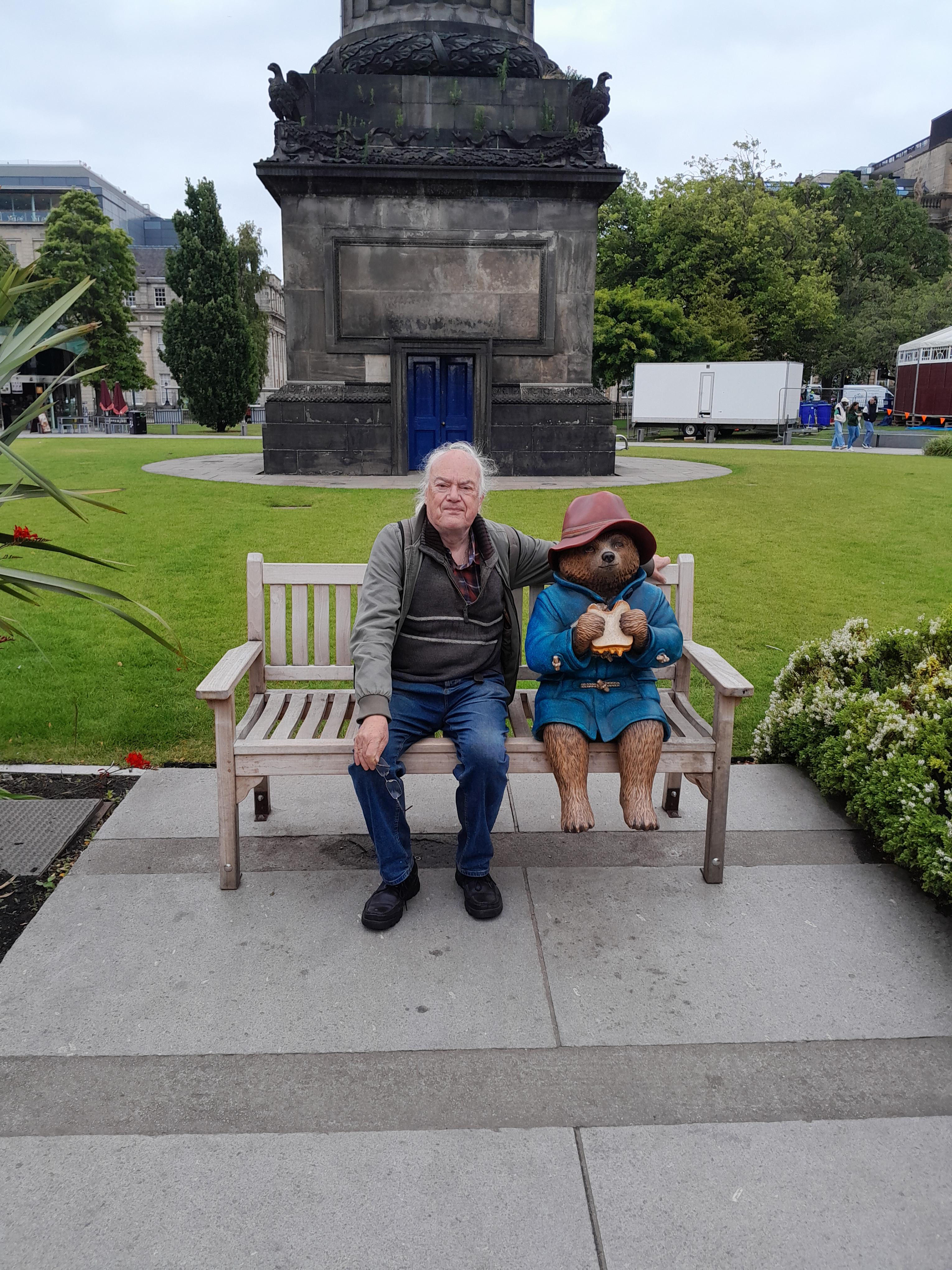

1 Queen Street, EH2 1JD
Free entry
One of the first things visitors notice after entering the Scottish National Portrait Gallery, right at its center, is the Great Hall, a massive work of art unto itself.
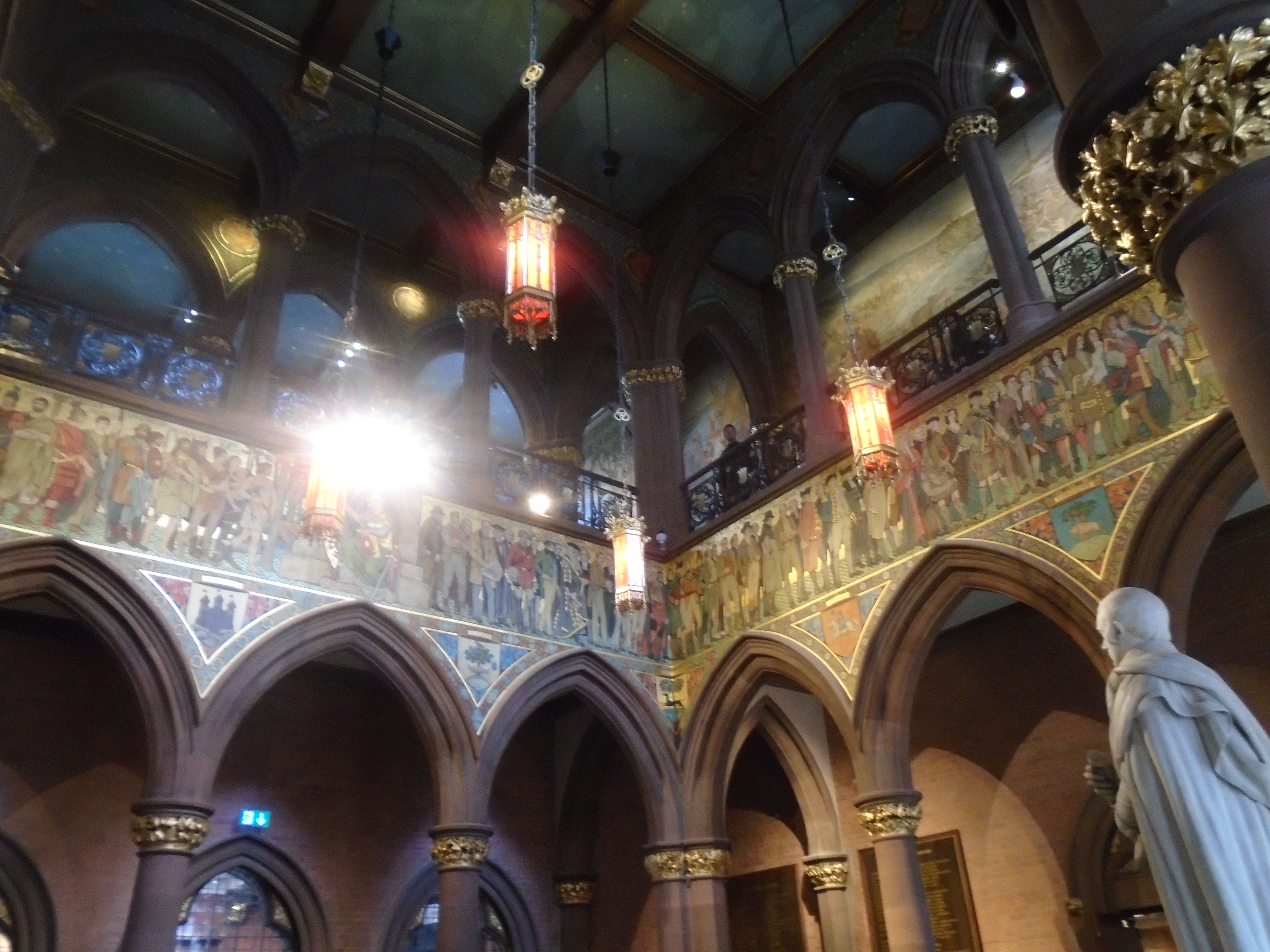


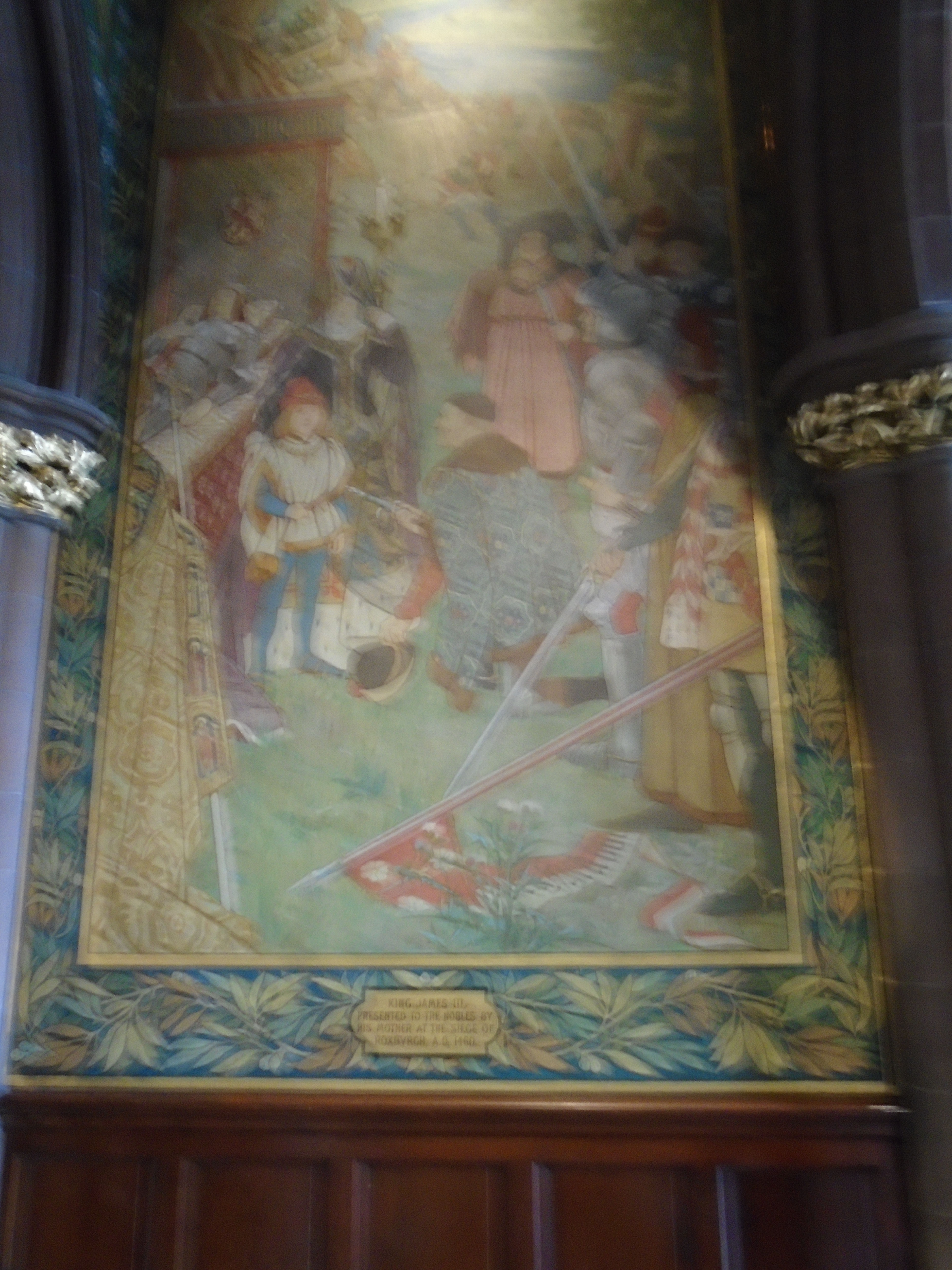

There are a couple of commissions from the winers of Sky's Portrait Artist of the Year.


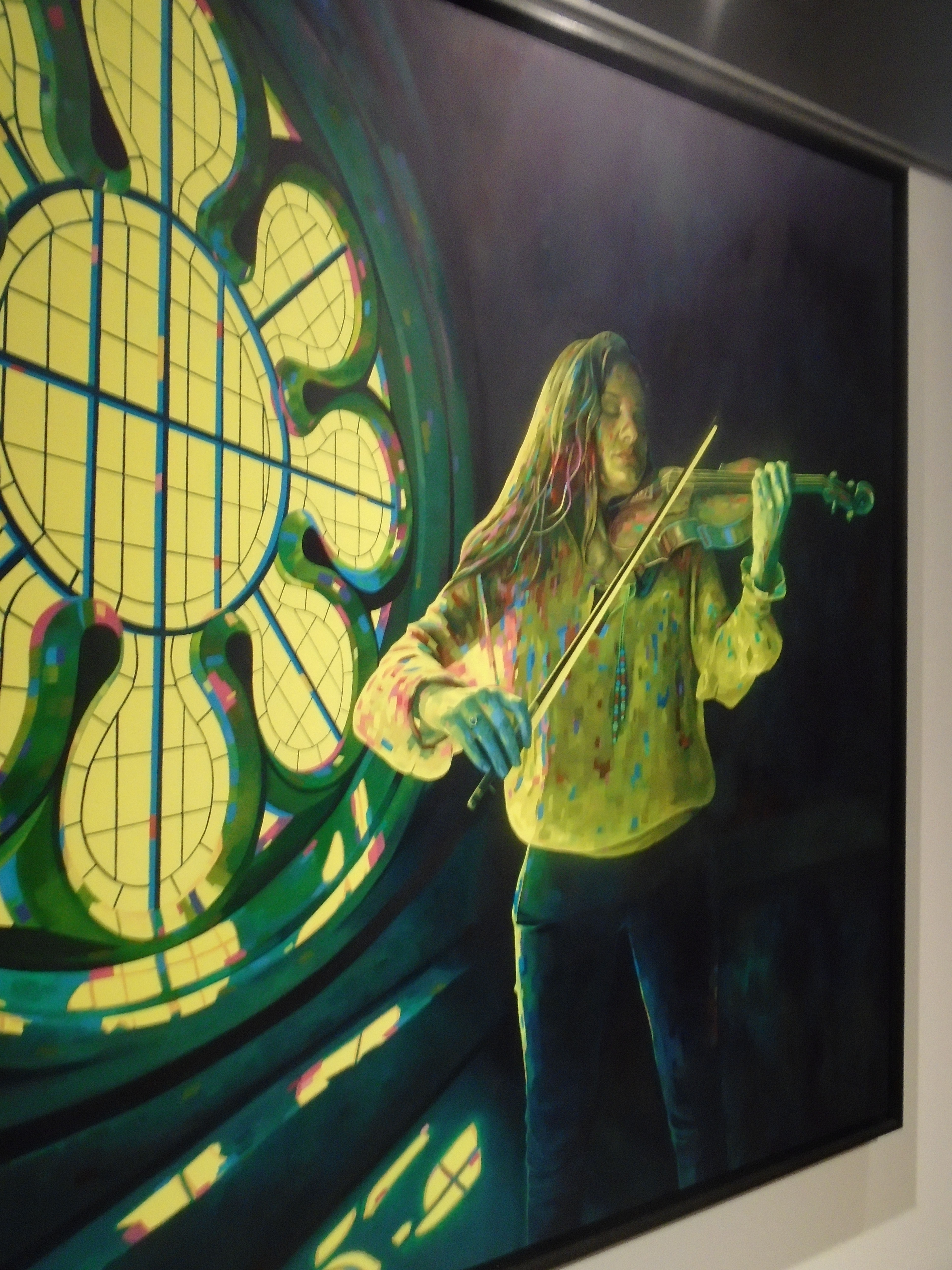

This shows that the idea that a tartan, belonged to a specific clan, who wore only that, is a modern myth.

This picture showed Mary Queen of Scots from one angle, and a skull from another.


This photo celebrated a couple protesting against Trump's golk course.


19 W Register St, EH2 2AA
Originally opened across the street in 1826, Cafe Royal has been in its current home since 1863. Entering the bar, your eye may go straight toward the chandeliers or the gilded trim on the ceiling. But the space's crown jewels are its six Royal Doulton ceramic tile portraits celebrating some of history's greatest innovators. Above happily chatting patrons, murals depict William Caxton examining the work of his printing press (he's credited with bringing the technology to England in the 15th century) and George Stephenson, a pioneer of locomotive engineering and "the Father of Railways," in his workshop. There are also windows showing sports in its restaurant.


Calton Road, EH8 8DL
This obscure walkway links Edinburgh's Old Town with one of the city's prime vantage points. 140 steps.
A Jacob's Ladder is an 18th-century term that refers to the biblical story of Jacob and his dream of a rope step ladder stretching up to Heaven. The origins of Edinburgh's Jacob Ladder are first recorded in an article written in 1784, though it is thought to be much older than that.
This pathway, which cuts through volcanic rock, is thought to have had many different uses and configurations over time. Prior to the construction of the North Bridge in the mid-1700s, which connects the High Street with Princes Street, there weren't many ways for someone to get from the Old Town to the New Town. Jacob's Ladder allowed people and goods the ability to get in and out of the city more efficiently, without having to travel greater distances. This was especially handy because at the time, the Nor Loch, a body of water stretching along the full distance of Princes Street, prevented access to the docks in nearby Leith.
This trail also allowed mourners to get to the Old Calton Burial Ground, and was most likely the route prisoners were taken to reach the former Bridewell Jail. Tourists have been clambering up these steps for centuries to get unparalleled views of the castle, the city, and access to the monuments atop of Calton Hill. In 2018 and 2019, Edinburgh World Heritage invested £150,000 to transform the steps, which had fallen into disrepair.


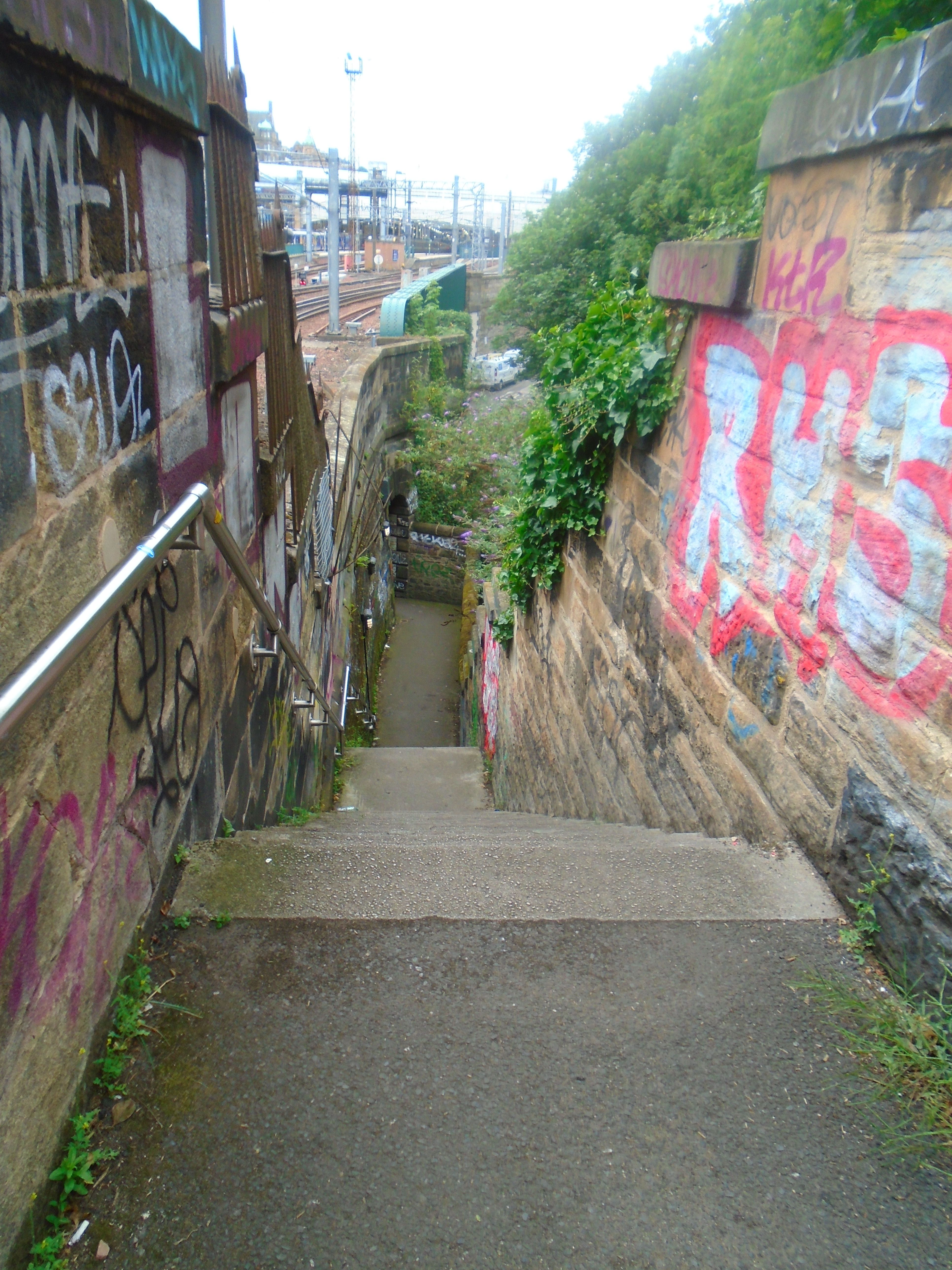
Jacob's Ladder takes you from Calton Road to Regent Road (round Carlton Hill). This building is in Carlton Road.

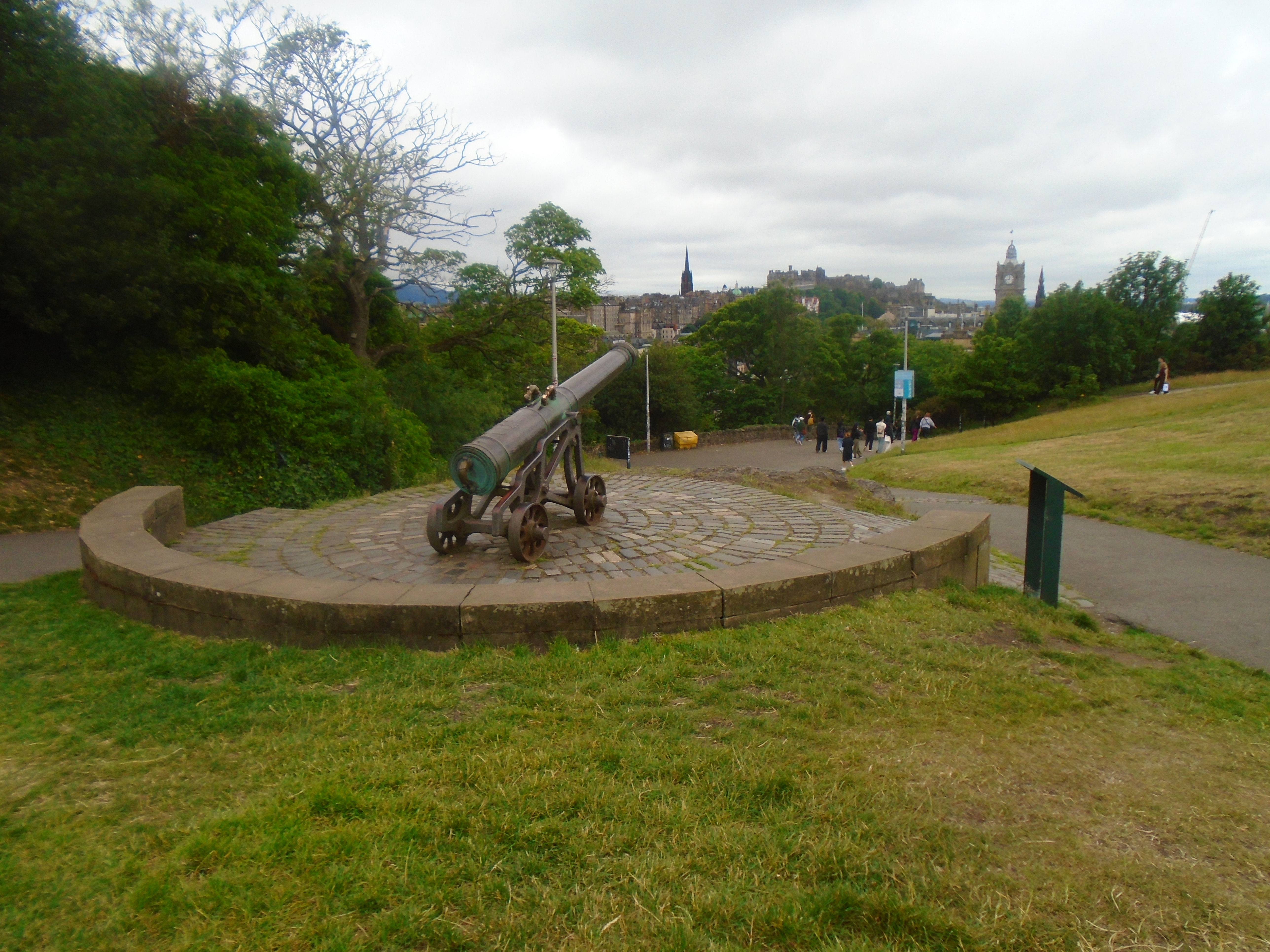
Acess to Calton Hill is from Regent Street. There are two paths, one steep, one for cars (Calton Hill Drive). If you're climbing Jacob's Ladder, then turn left at the top.
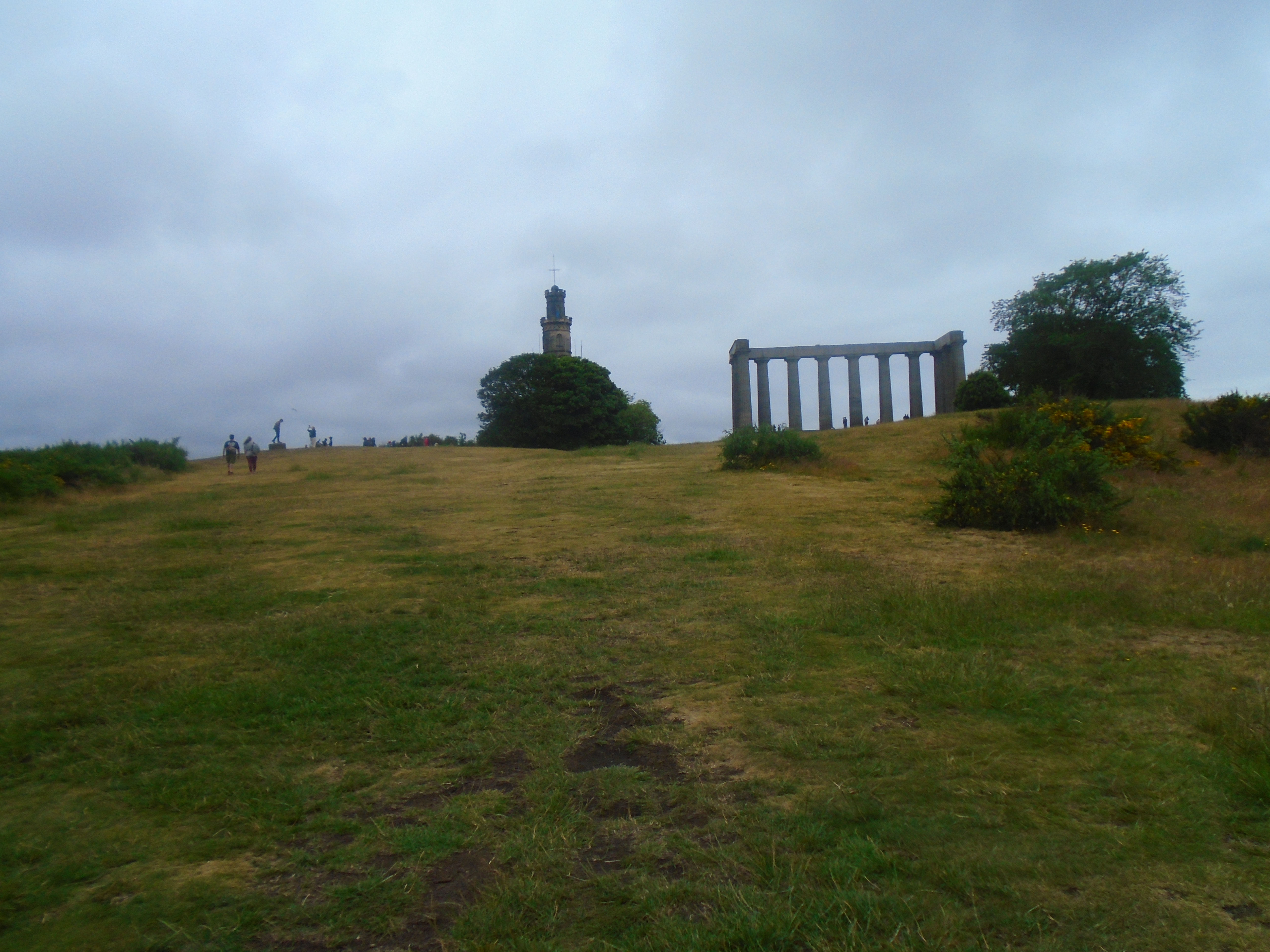
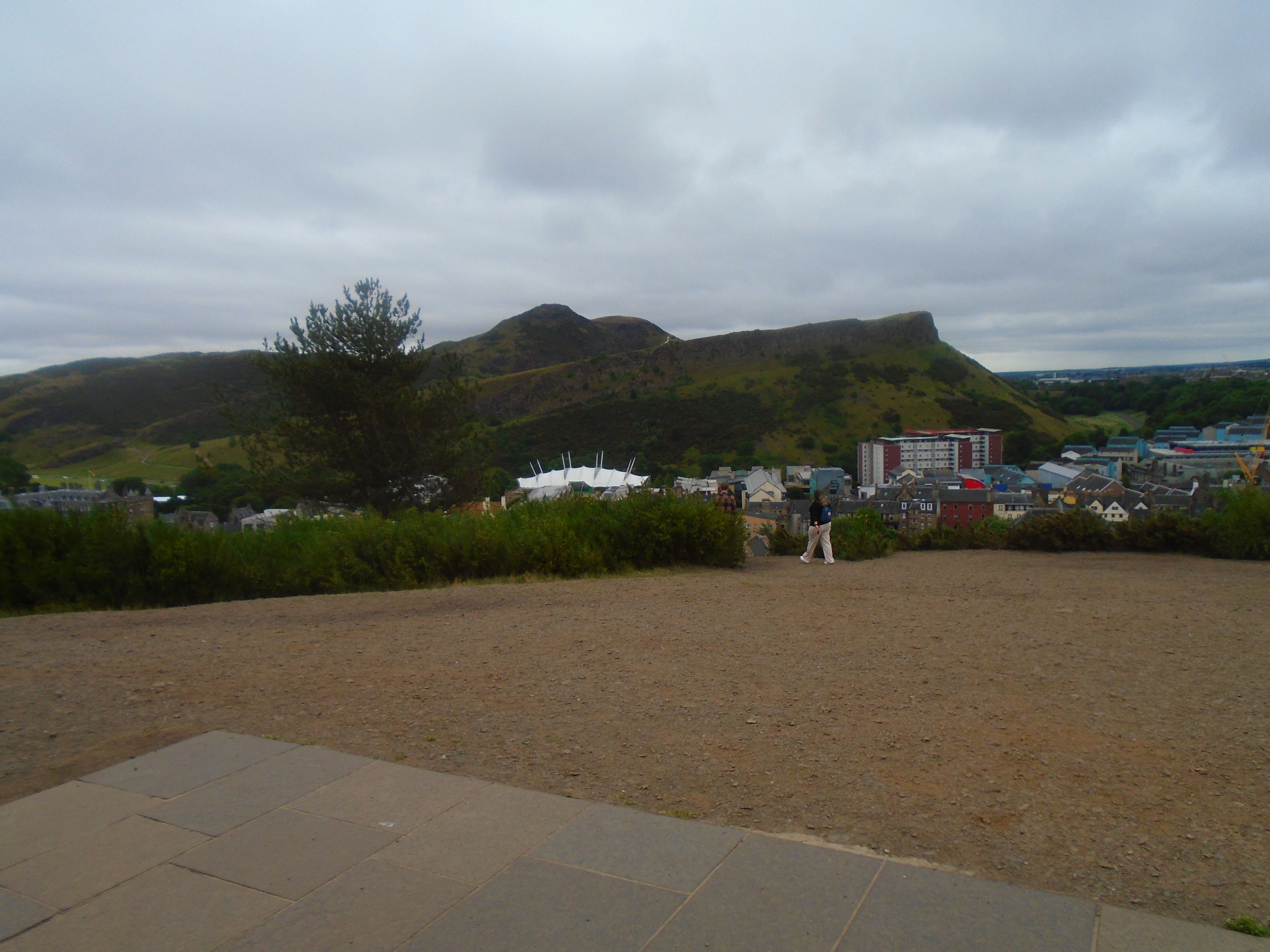
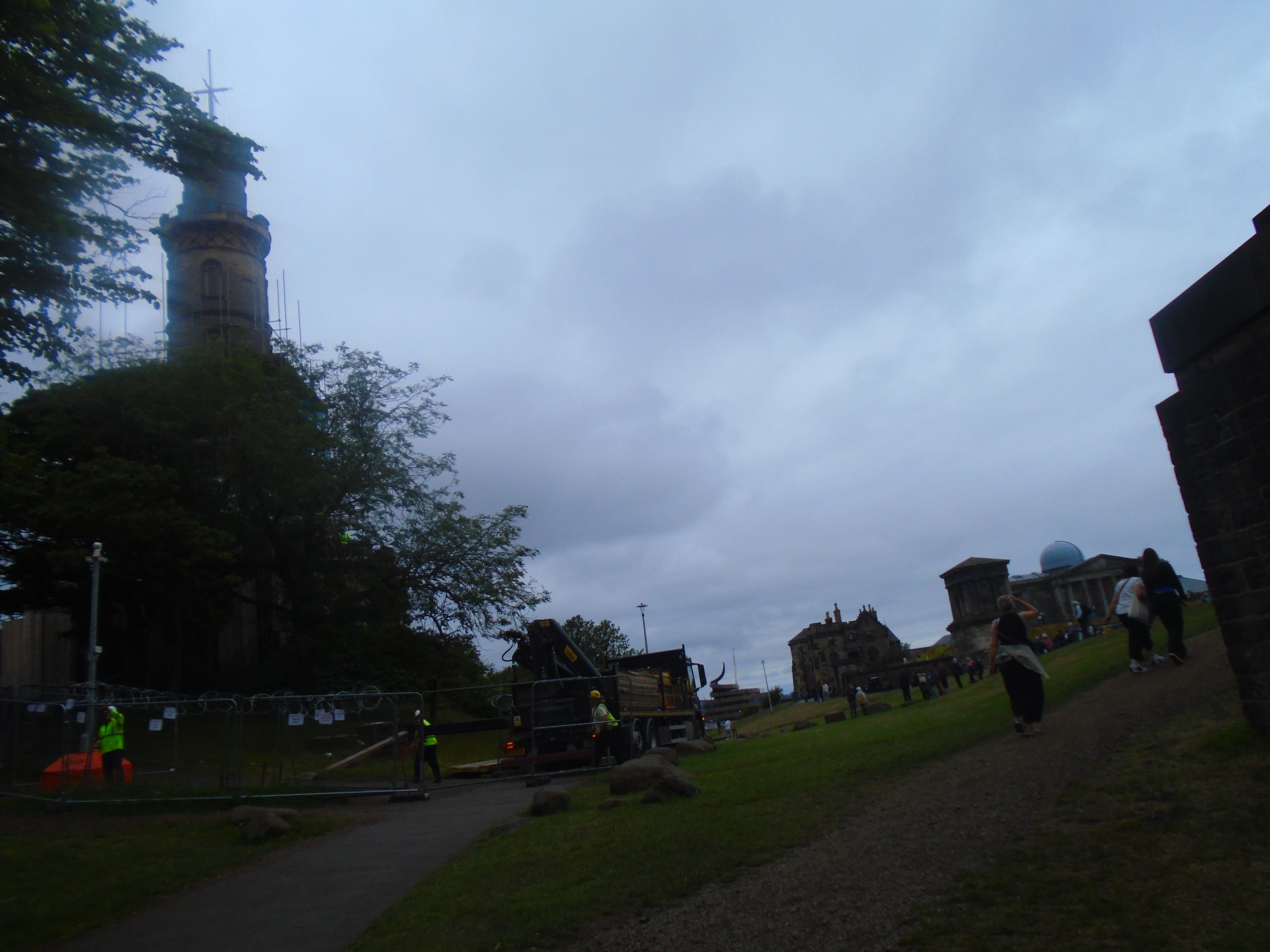
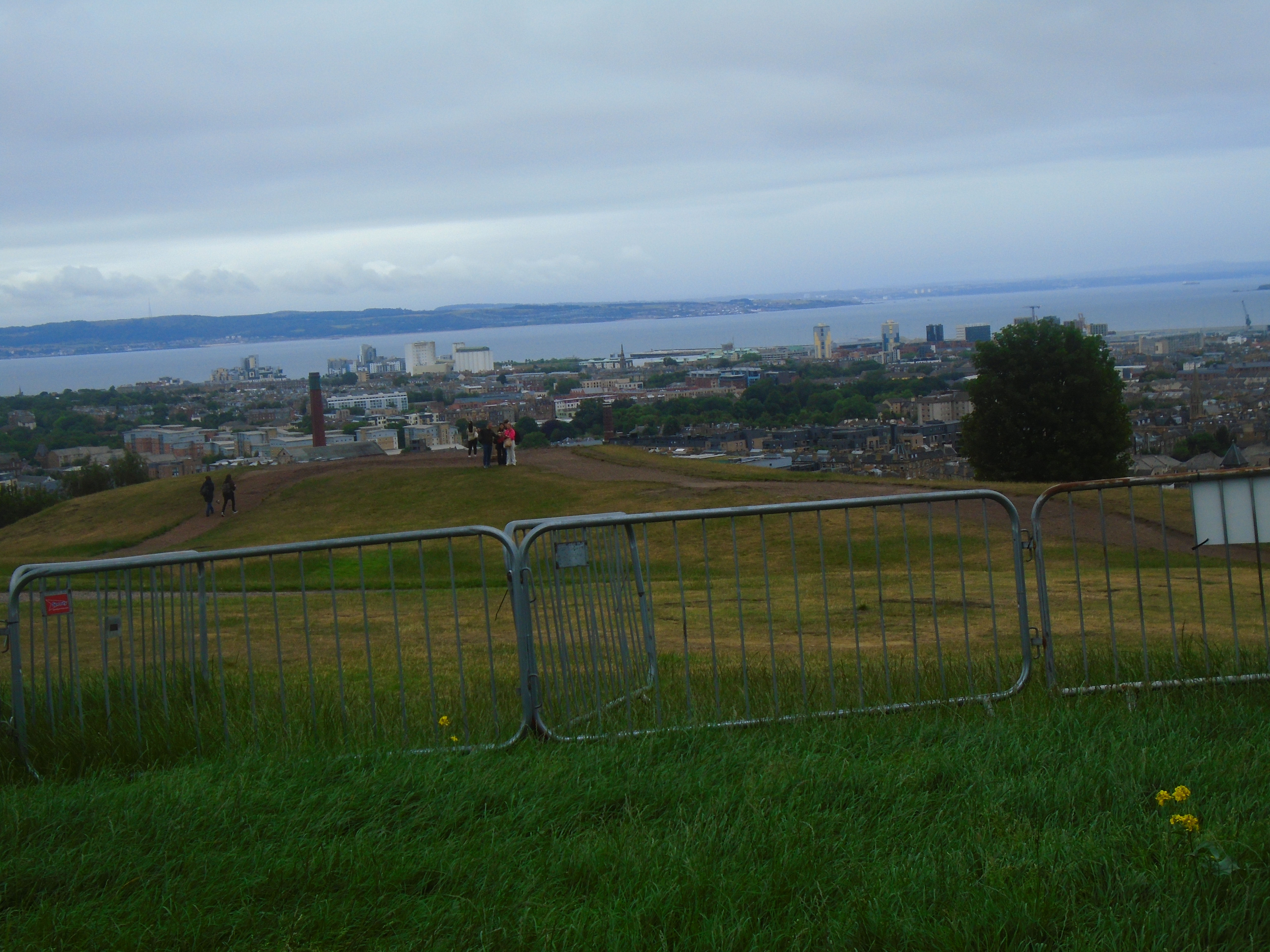
This has good views of Edinburgh and the Firth of Forth - even a glimpse of the Forth bridge. This hill is also famous for its collection of historic monuments, including the National Monument, which was inspired by the Parthenon in Athens and the Nelson Monument, which commemorates the death of Admiral Lord Nelson at the Battle of Trafalgar in 1805. The restored City Observatory, City Dome is purpose-built exhibition space, but it was between exhibitions when we were there. City Observatory, 38 Calton Hill, Edinburgh, EH7 5AA





© Jo Edkins 2025