
Plymouth Barbican areaClick on a photo for a large version. |
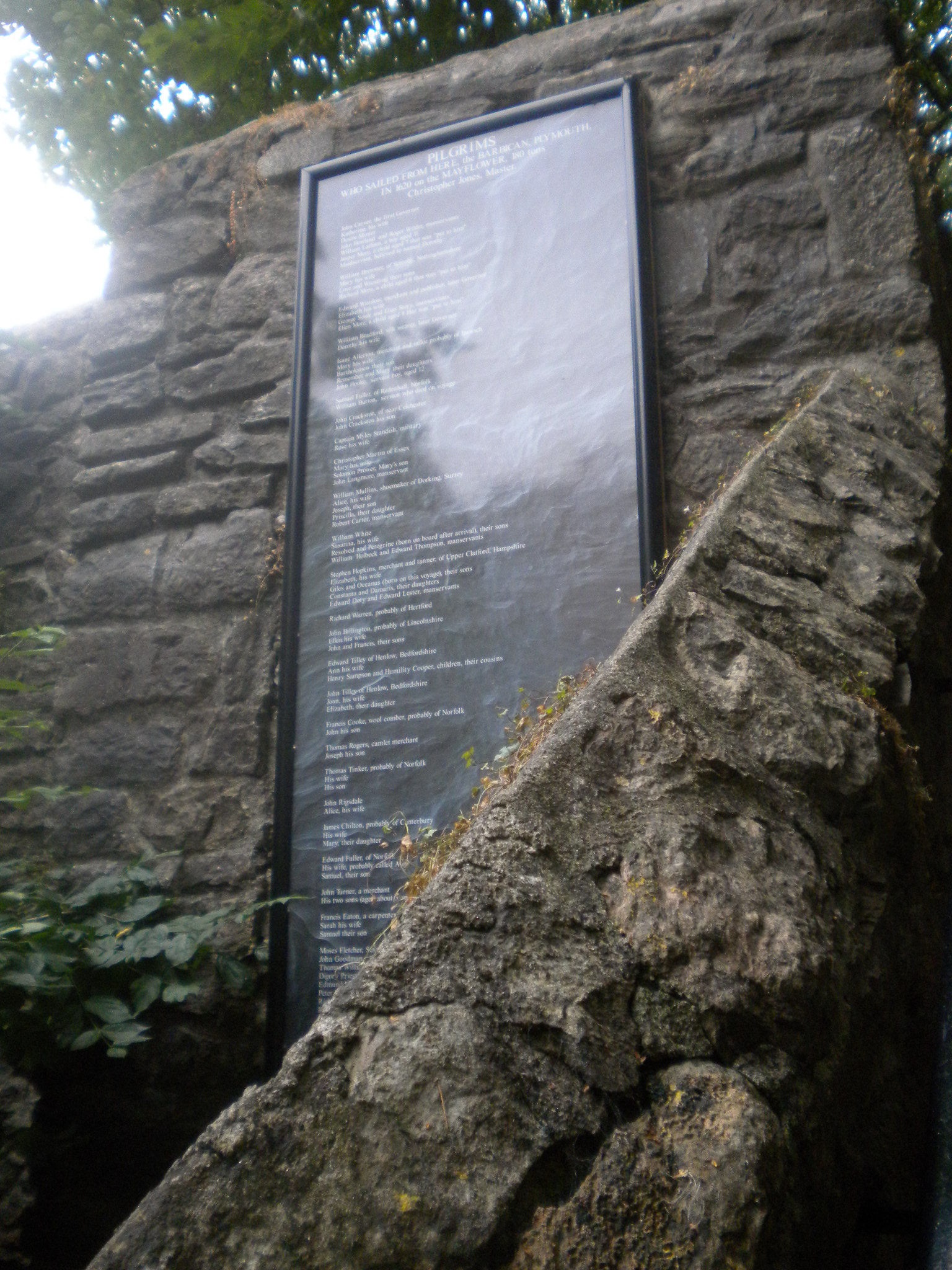
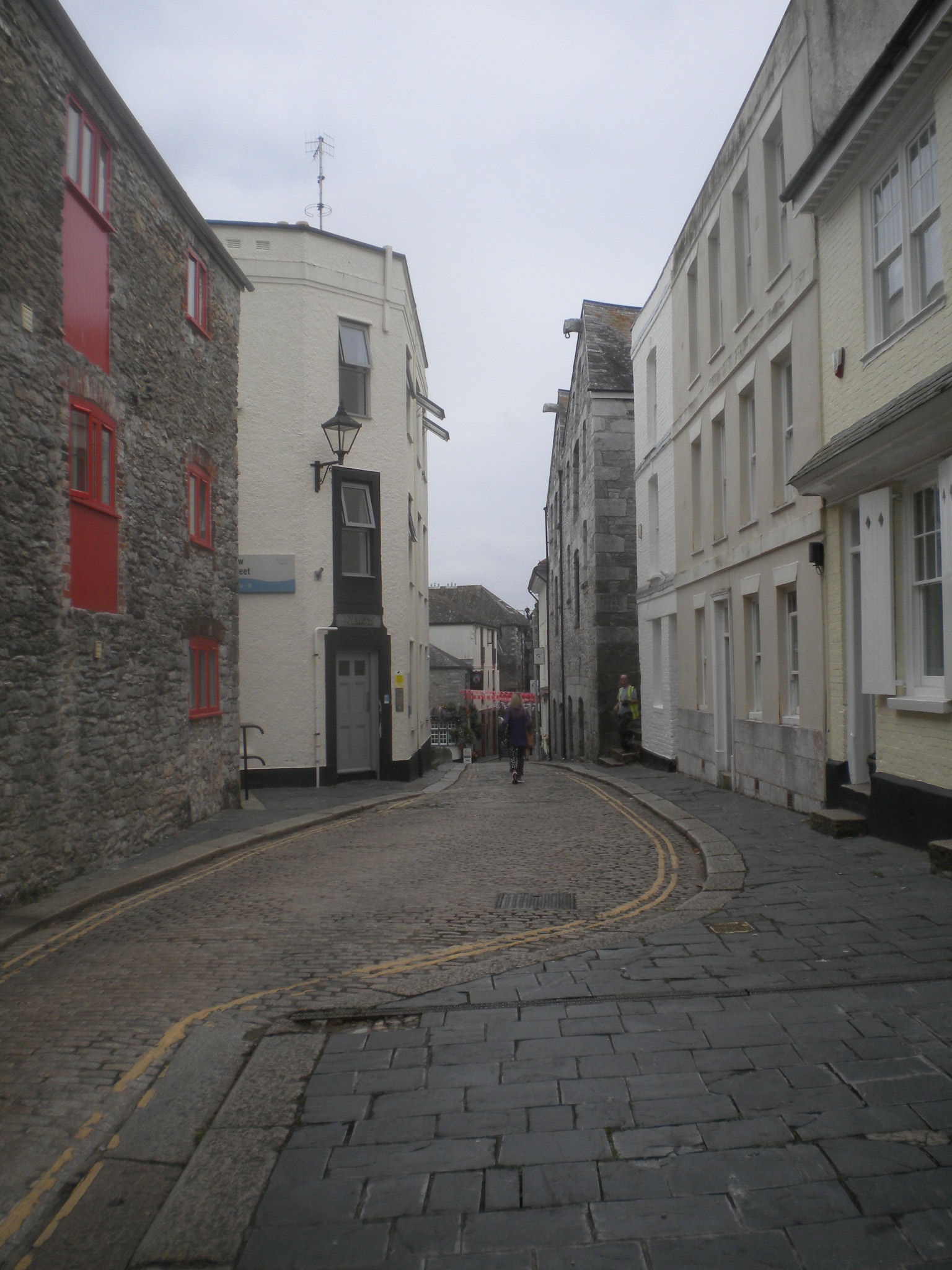
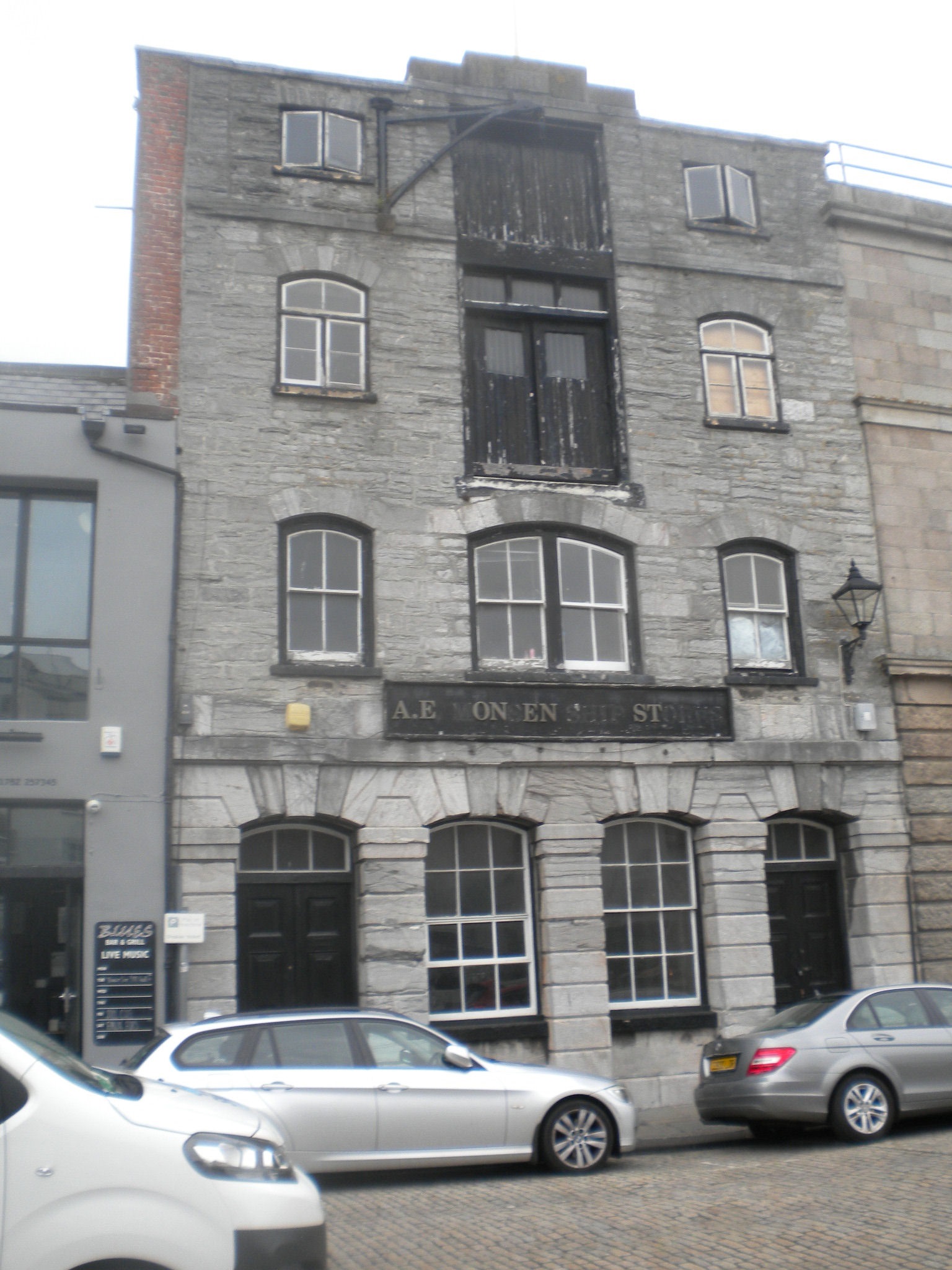
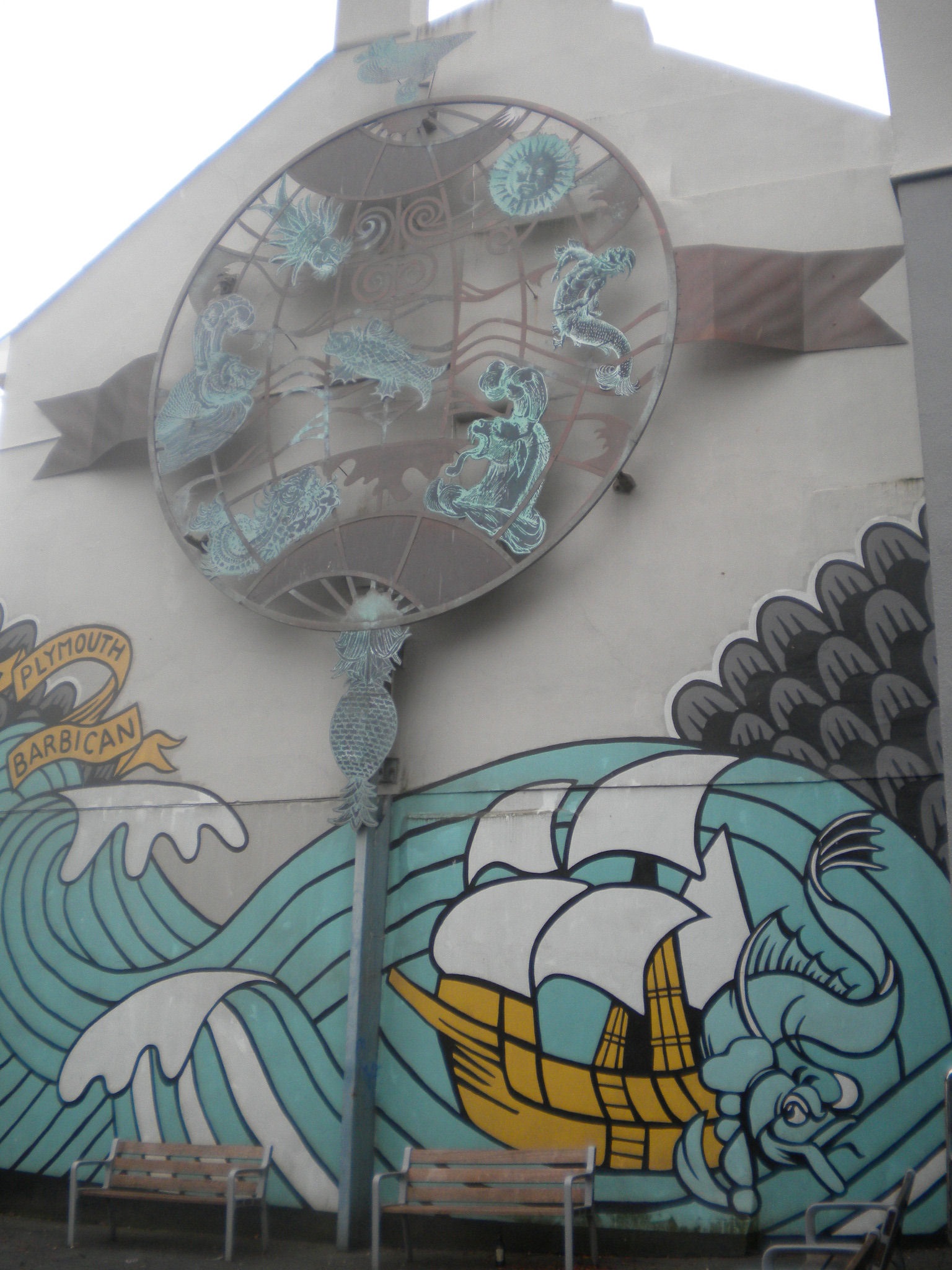
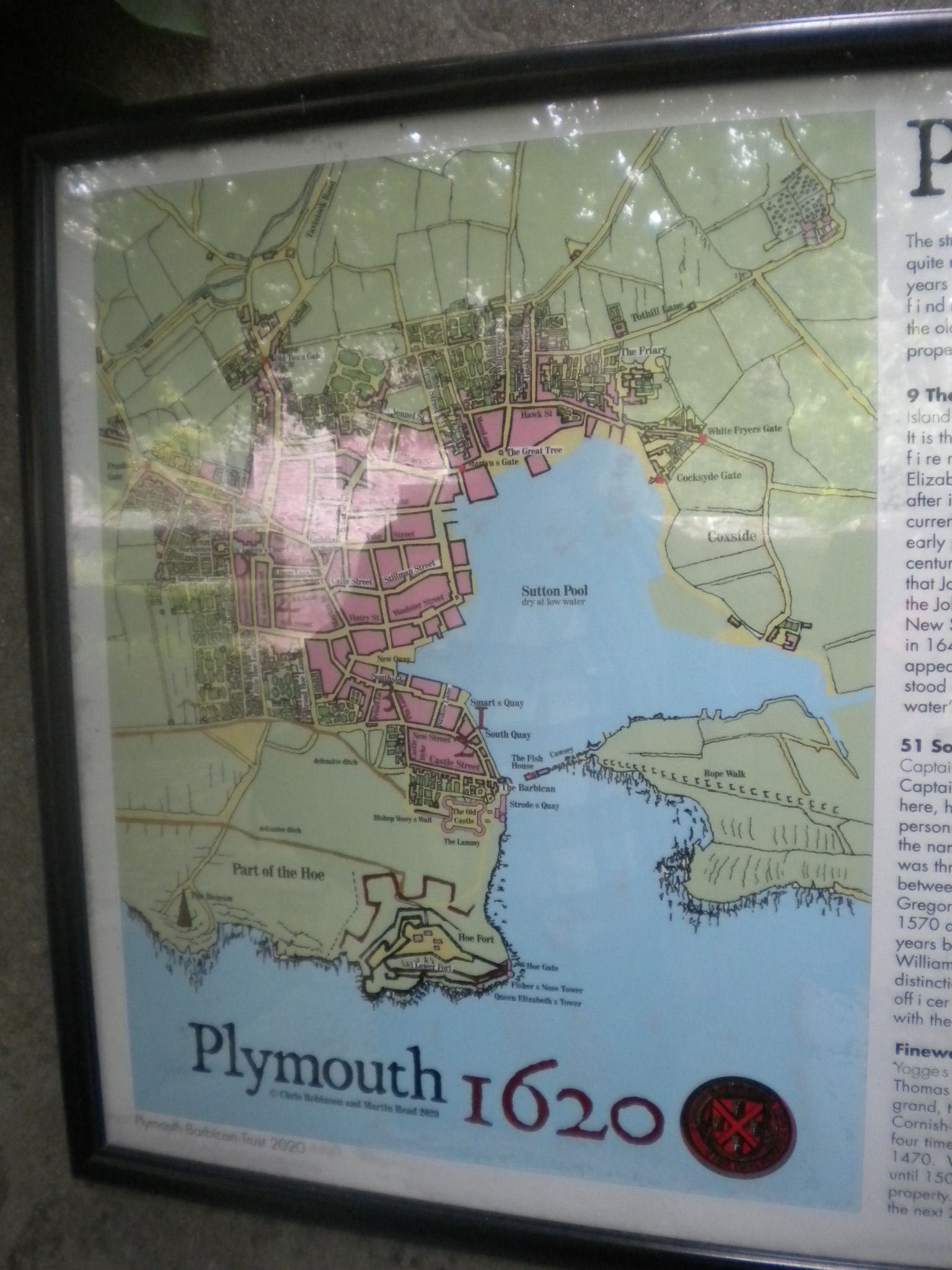
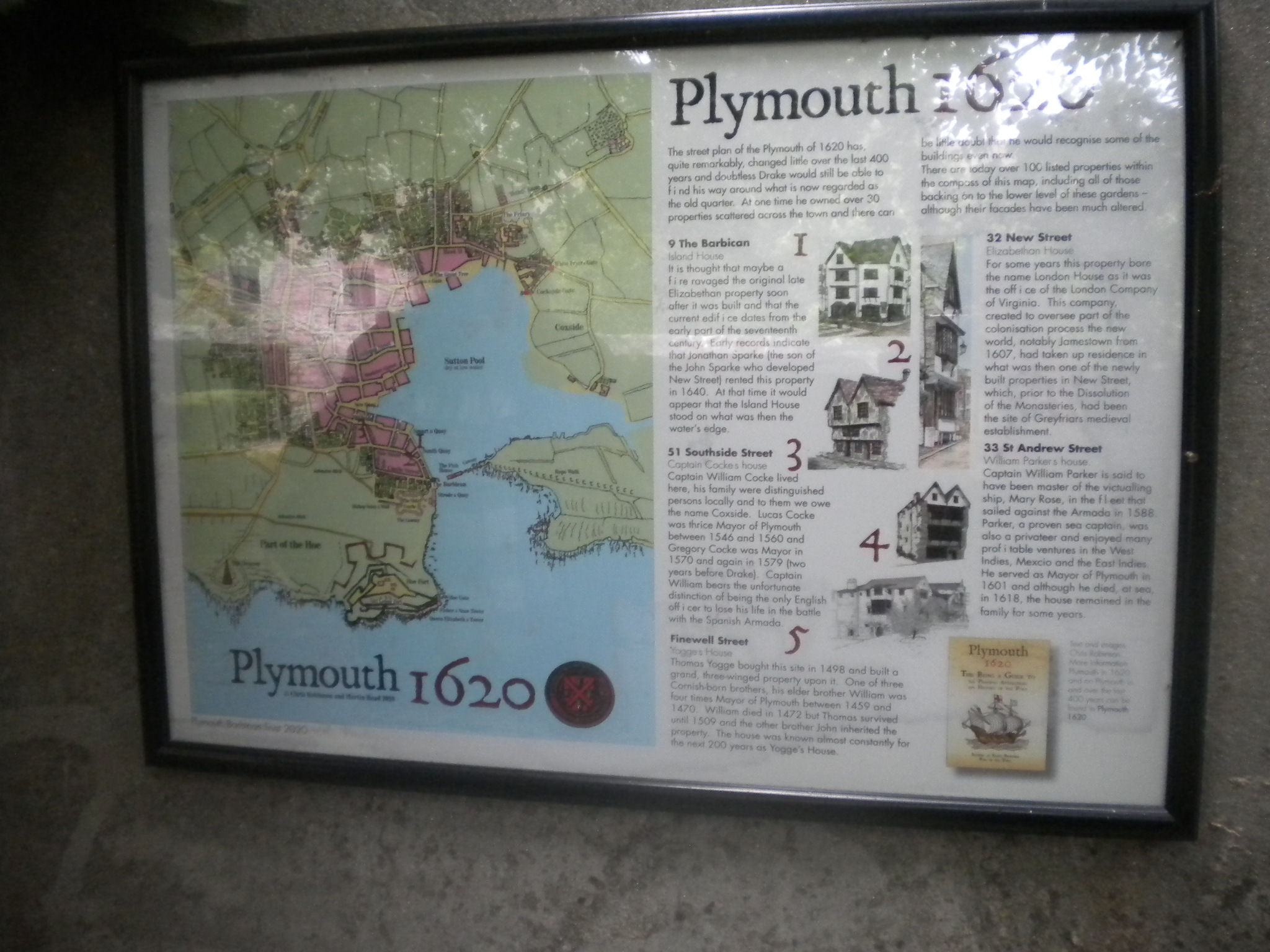
The Barbican is the name given to the western and northern sides of Sutton Harbour, the original harbour of Plymouth. It was one of the few parts of the city to escape most of the destruction of The Blitz during the Second World War and the preceding era of slum clearance following the Public Health Act 1848. Two or three streets still retain some of the architecture of a historic fishing port. The Barbican has the largest concentration of cobbled streets in Britain and contains 100 listed buildings. The present Barbican district is generally regarded as being roughly equivalent to the location and size of the medieval walled town of Sutton. A barbican is a fortified gate, and here the name probably derives from the 'Castle Barbican' which was an entrance to Plymouth Castle, the late medieval fortress that guarded access to the Cattewater, prior to the building of the Royal Citadel.
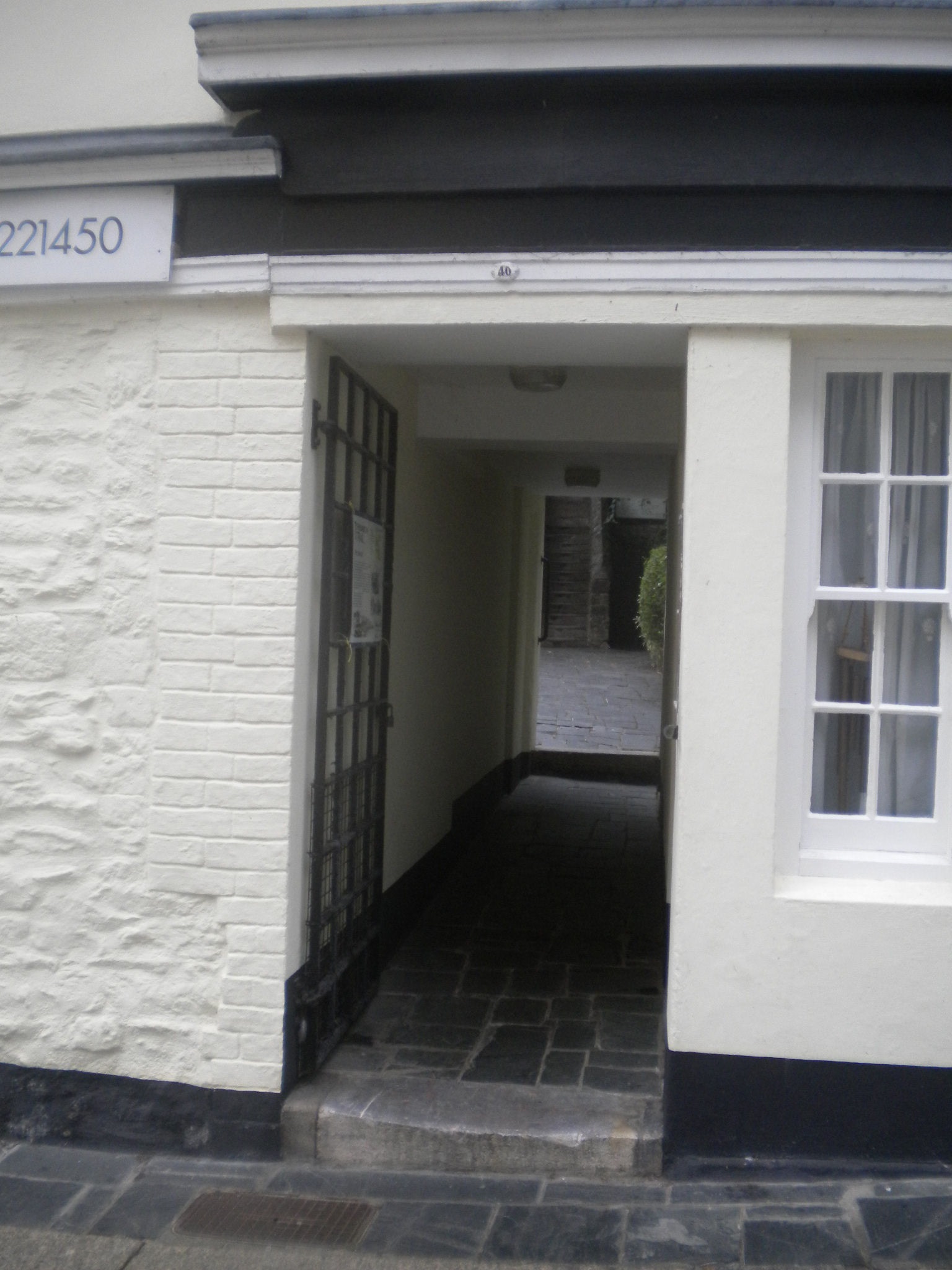
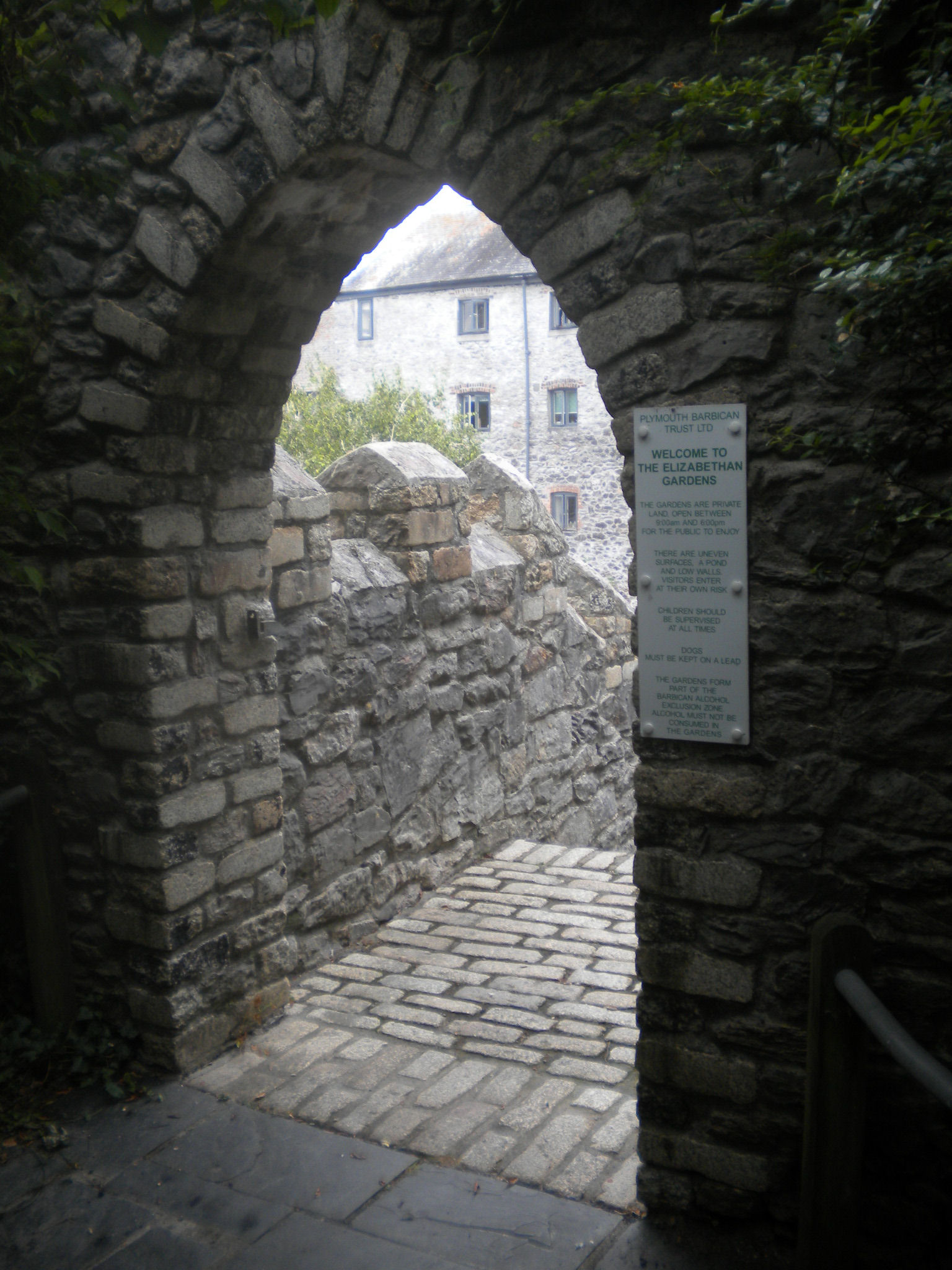
One of the oldest streets in Plymouth running north from the Barbican is New Street, which was formerly called Rag Street. It contains the Elizabethan House, and the Elizabethan Garden leads off it.
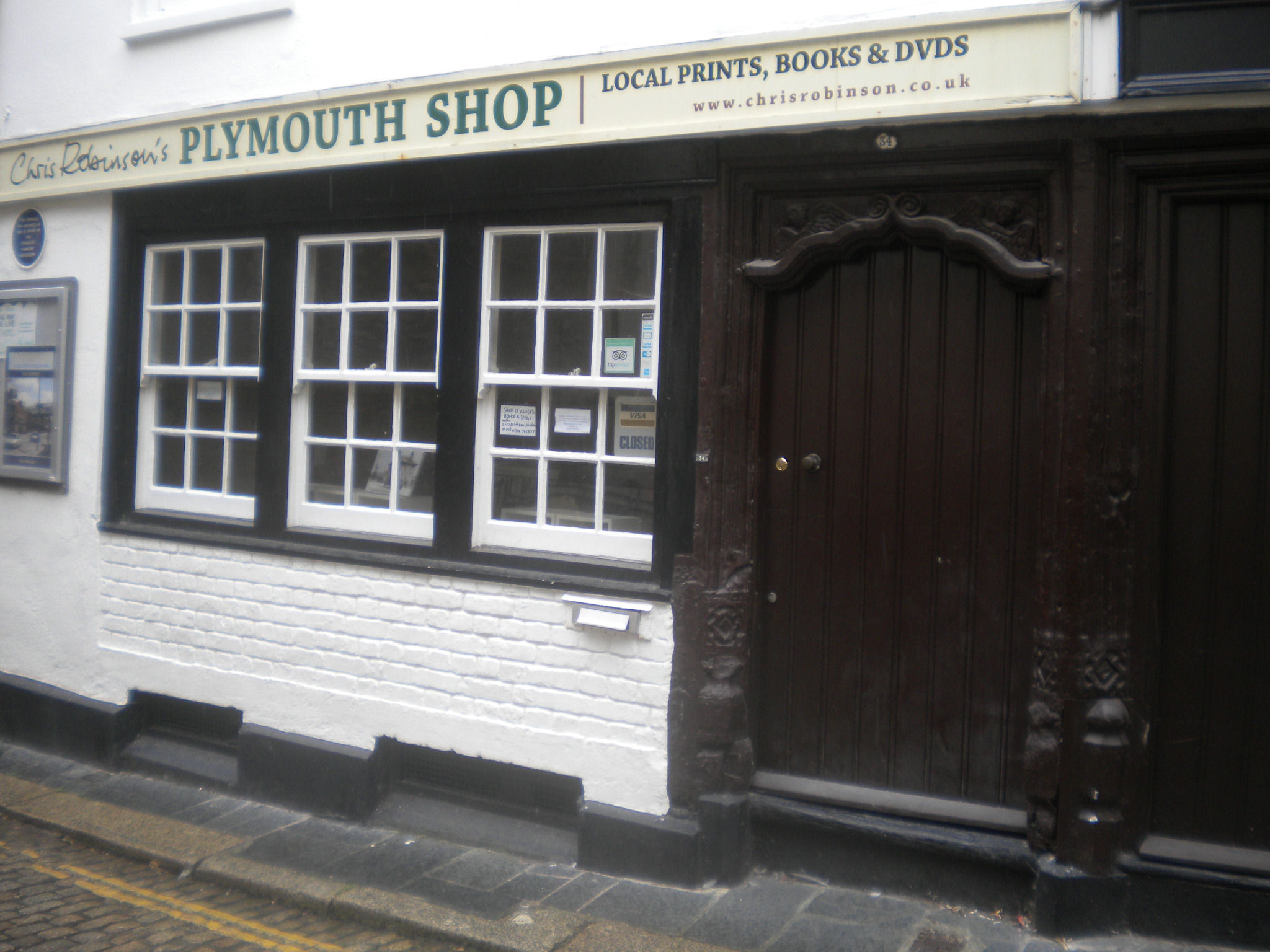
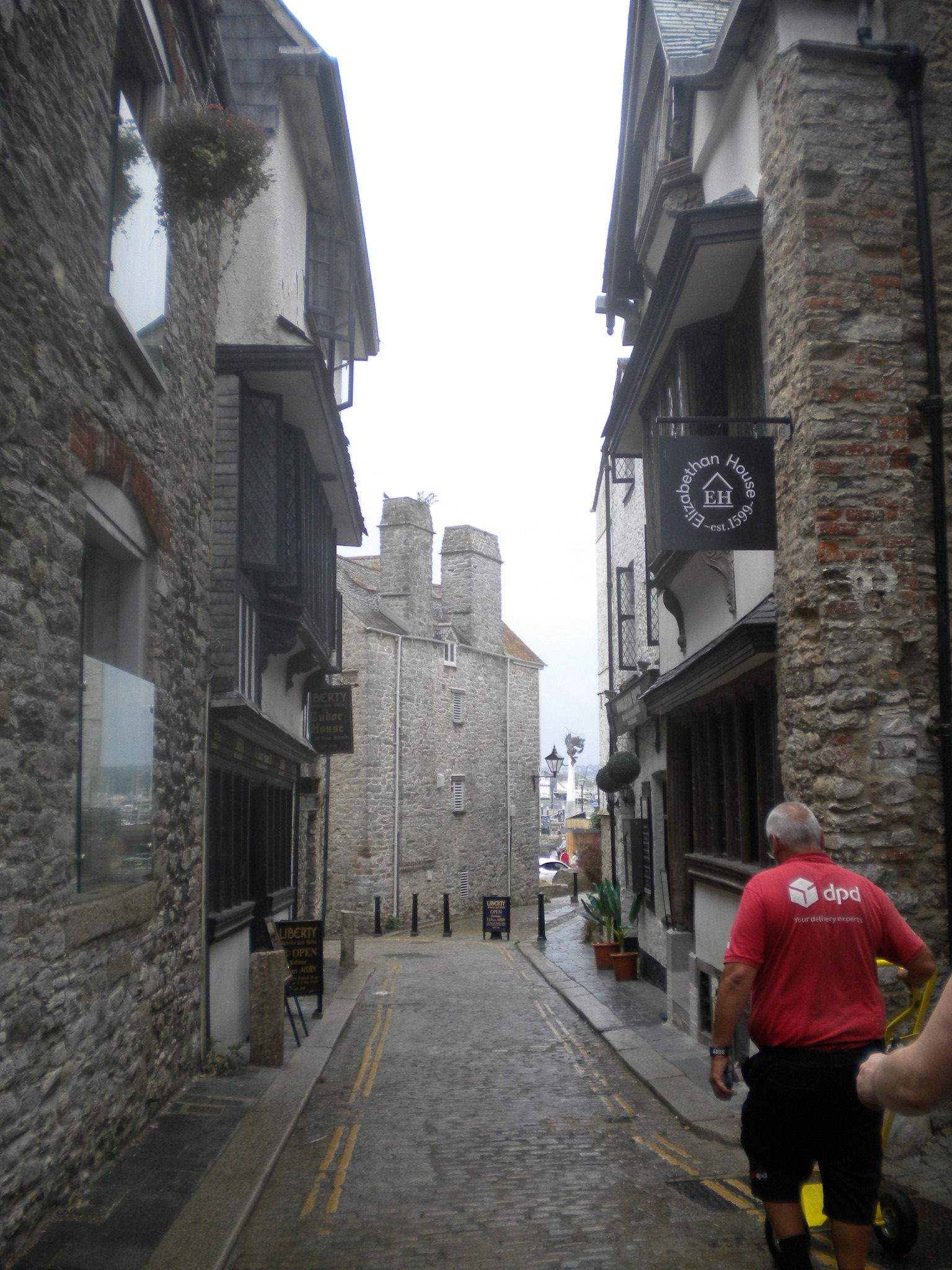
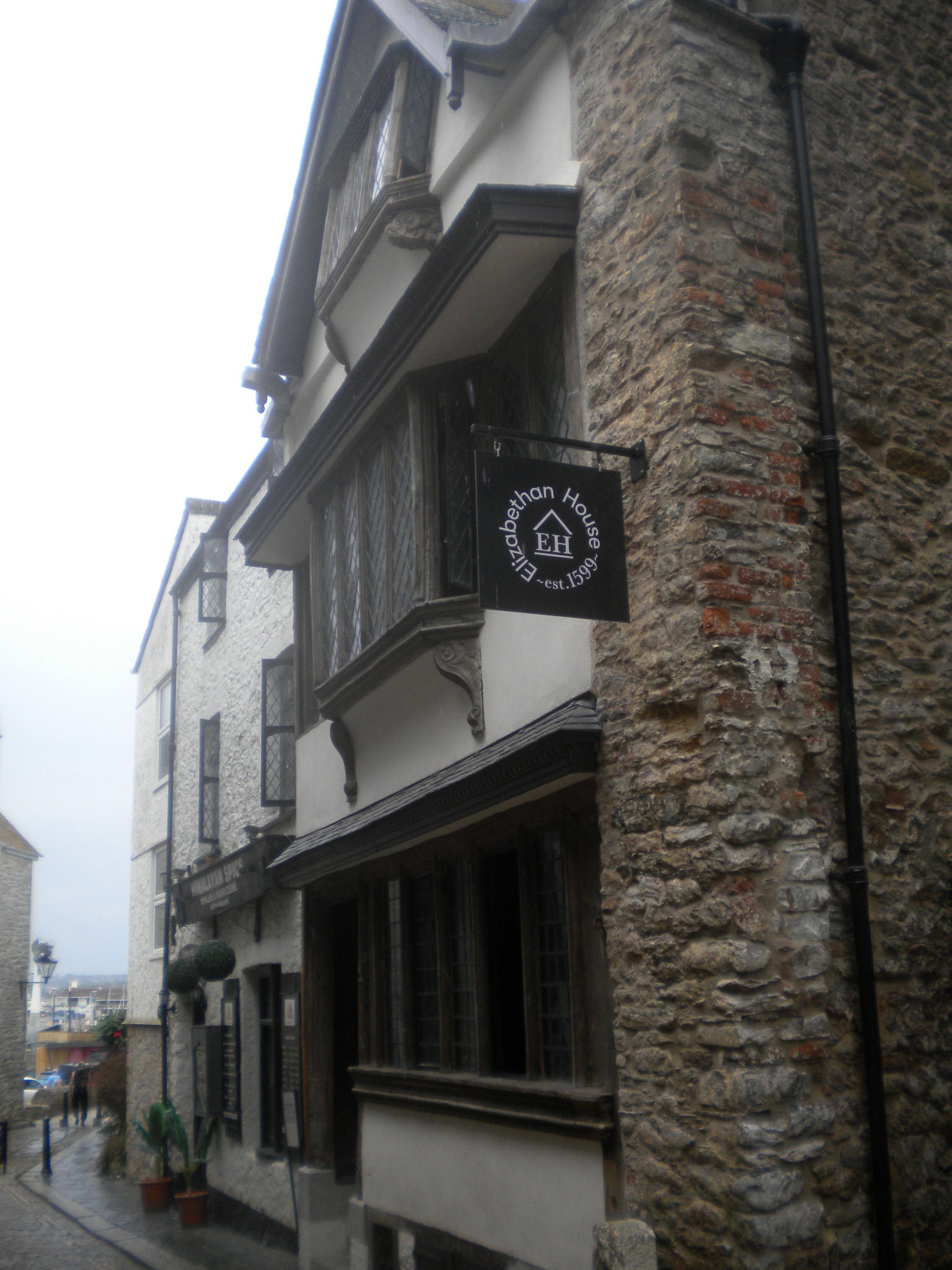
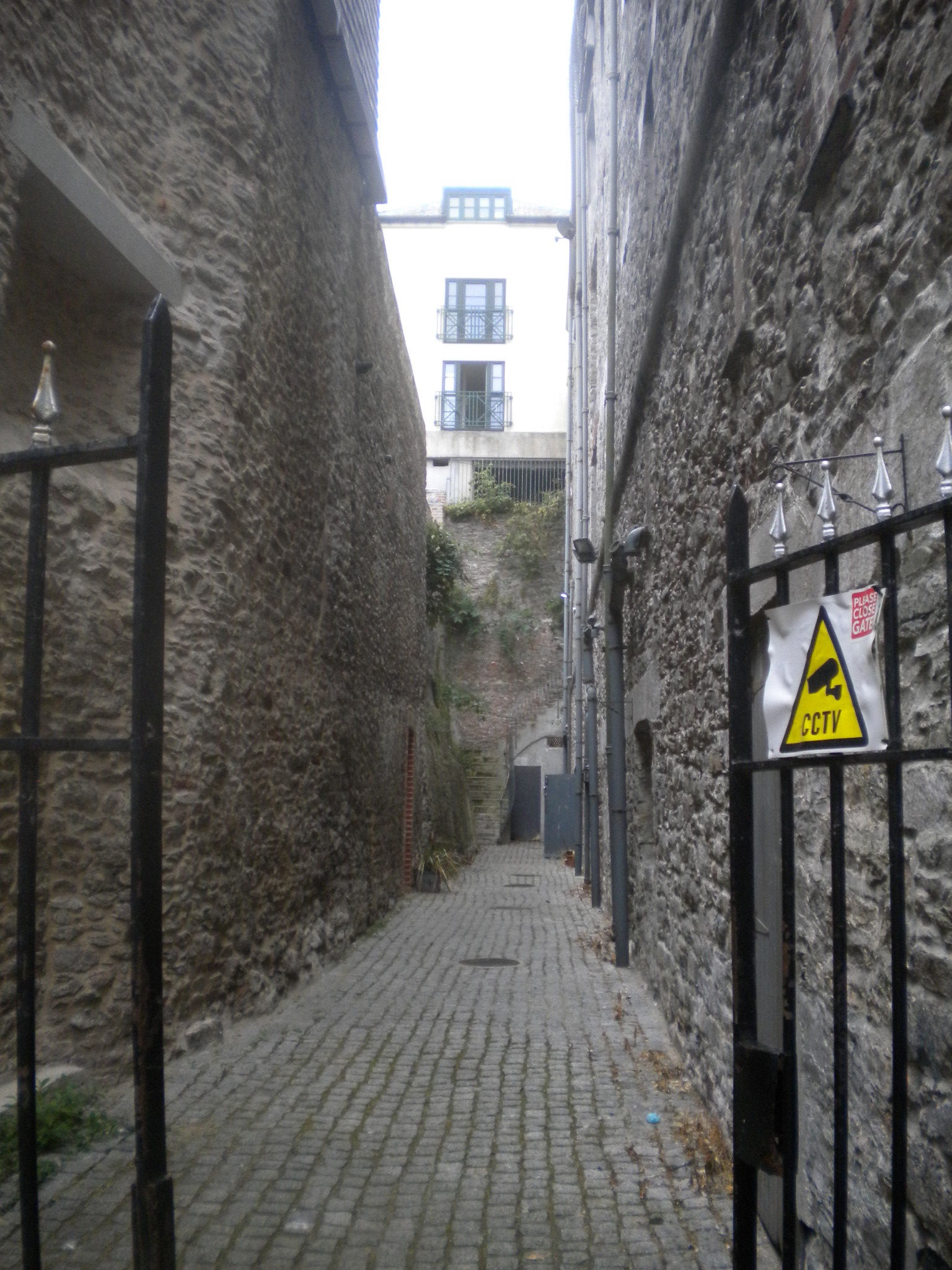
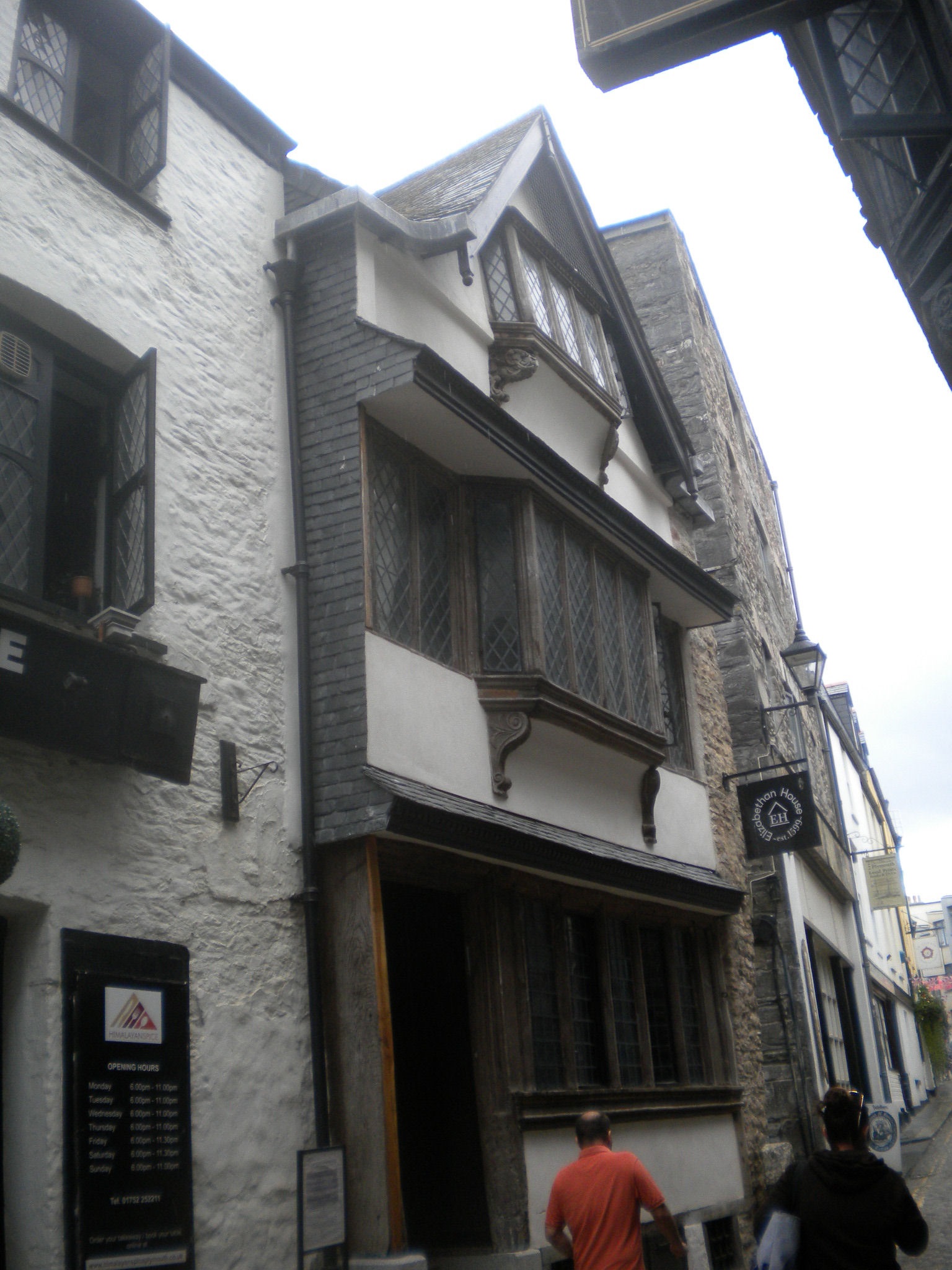
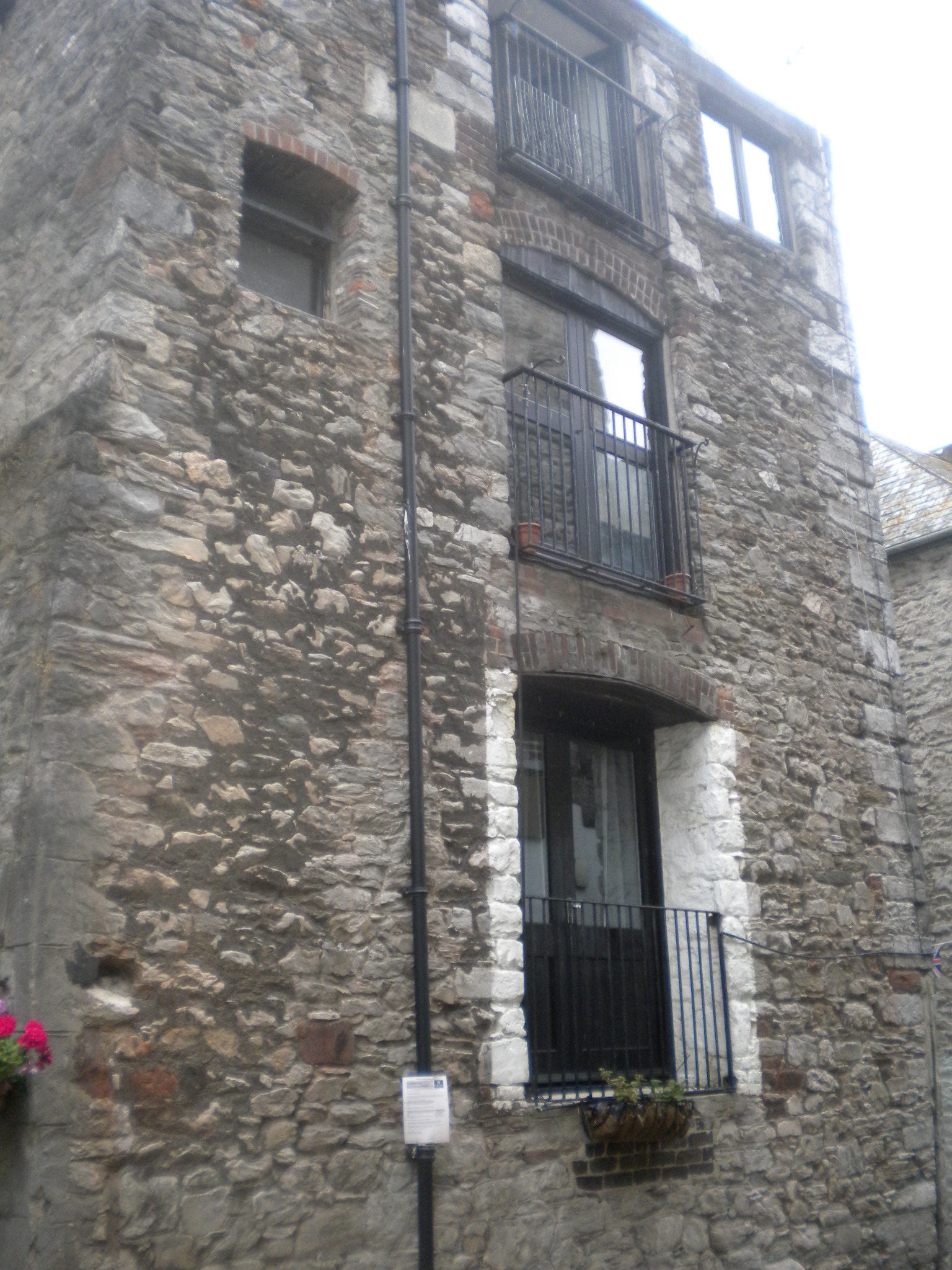
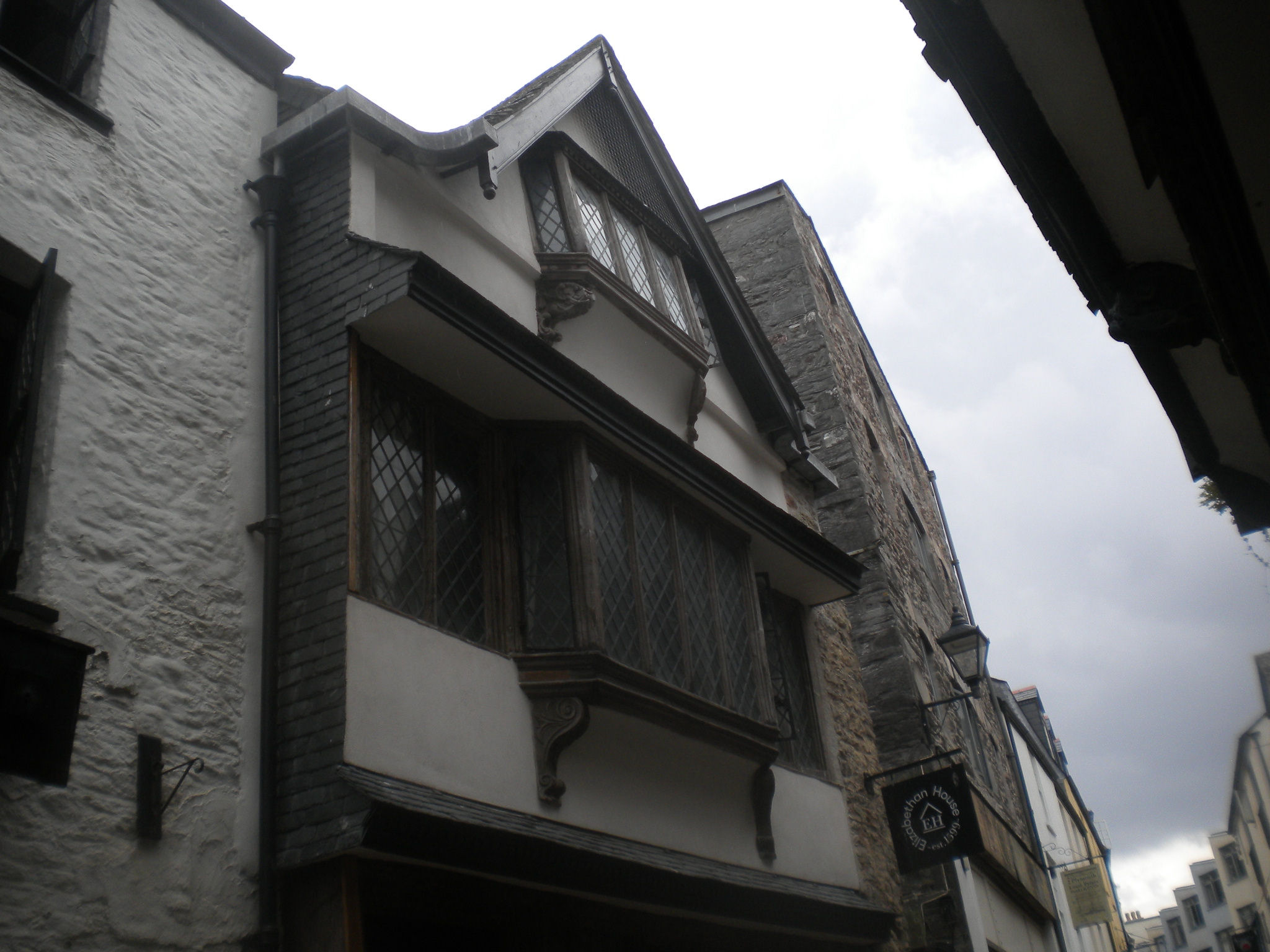
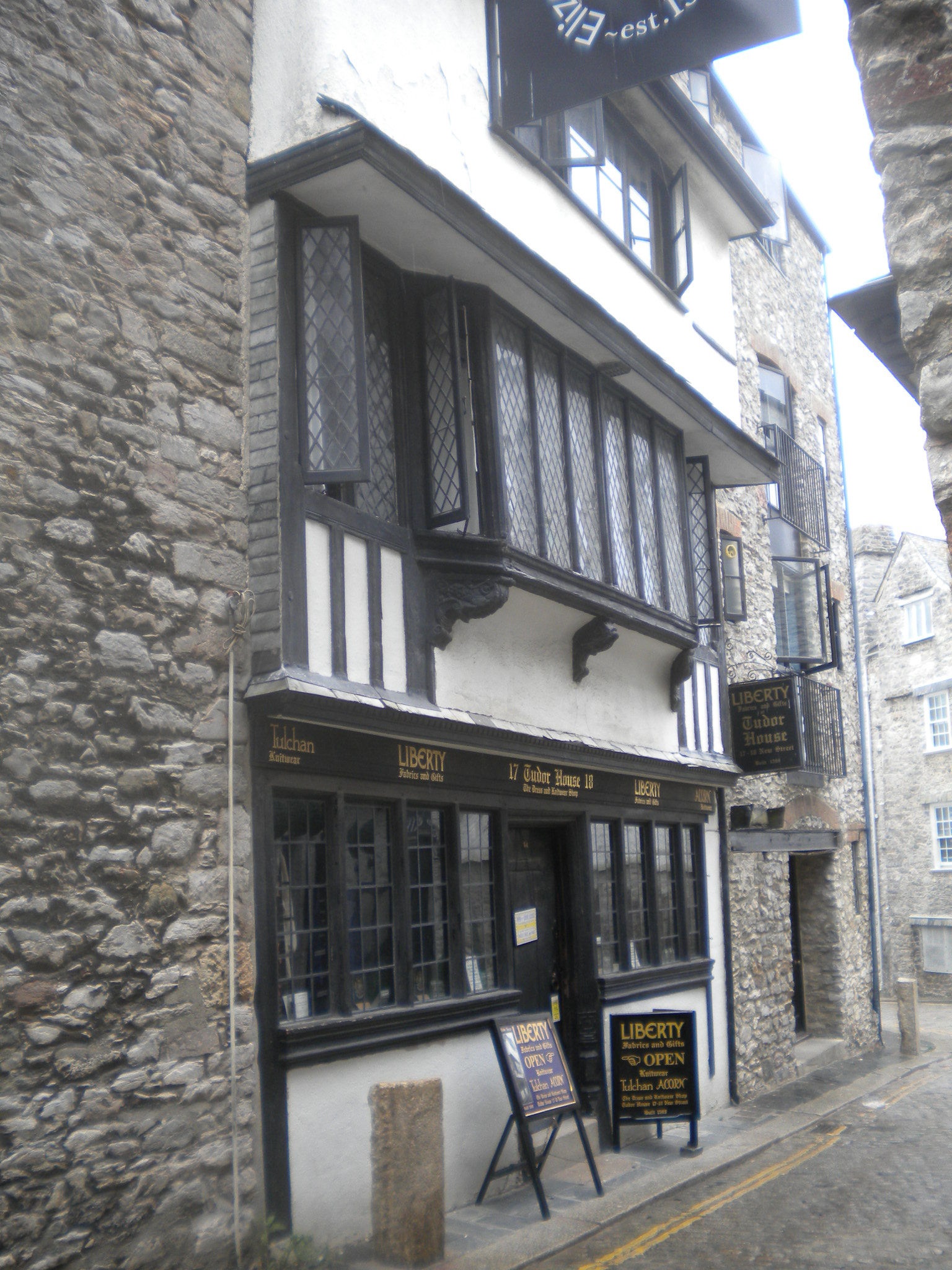
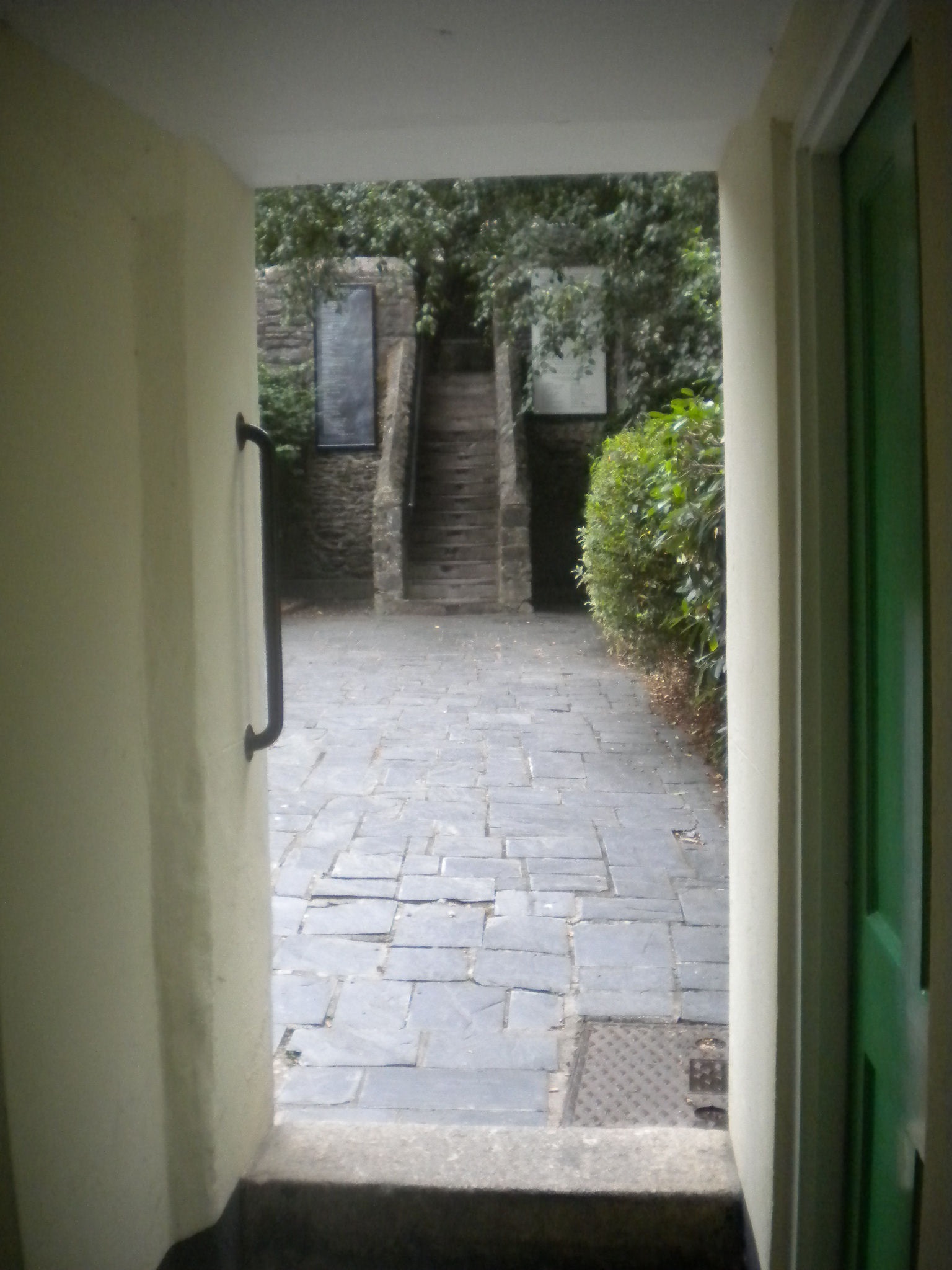
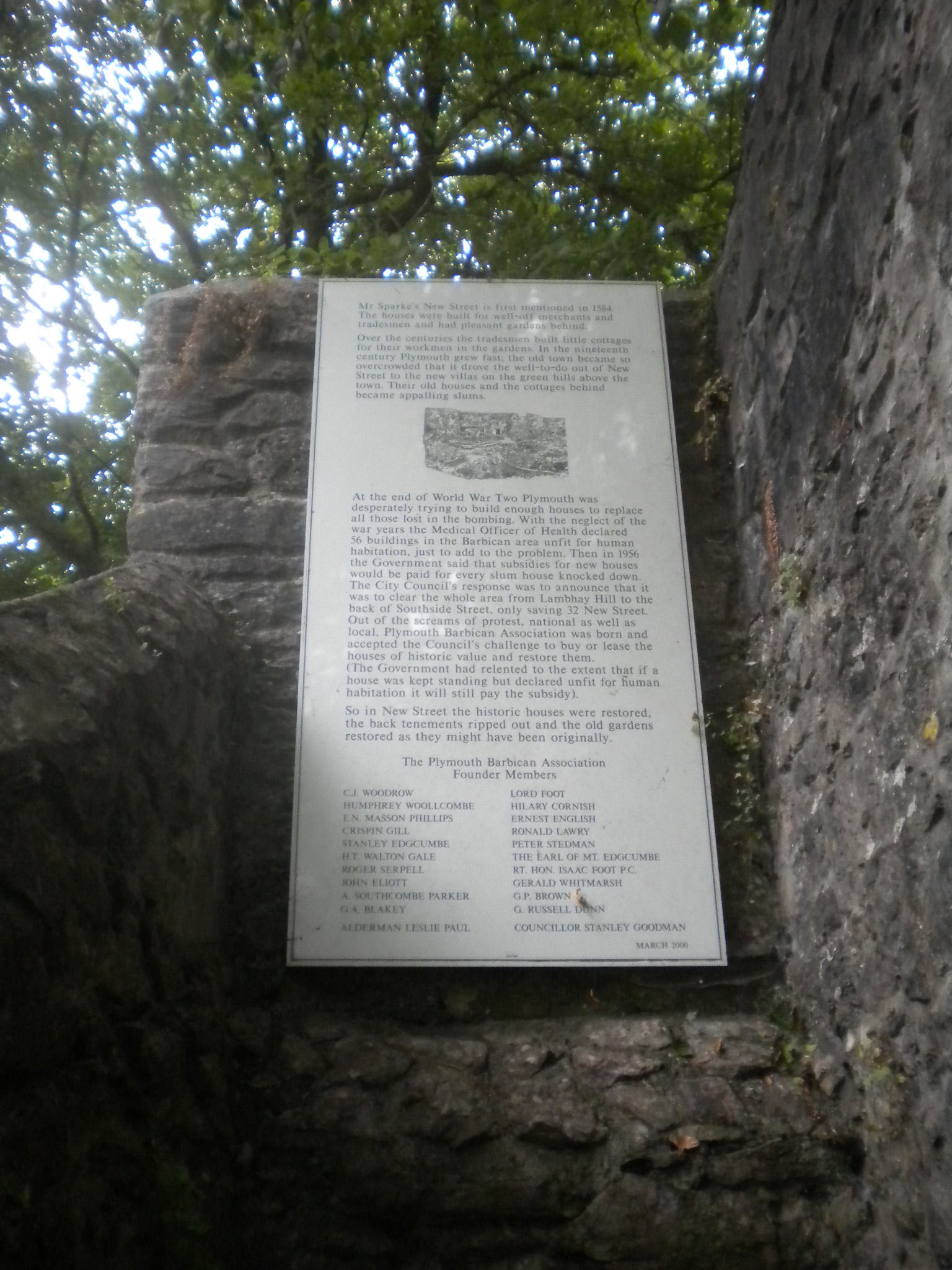
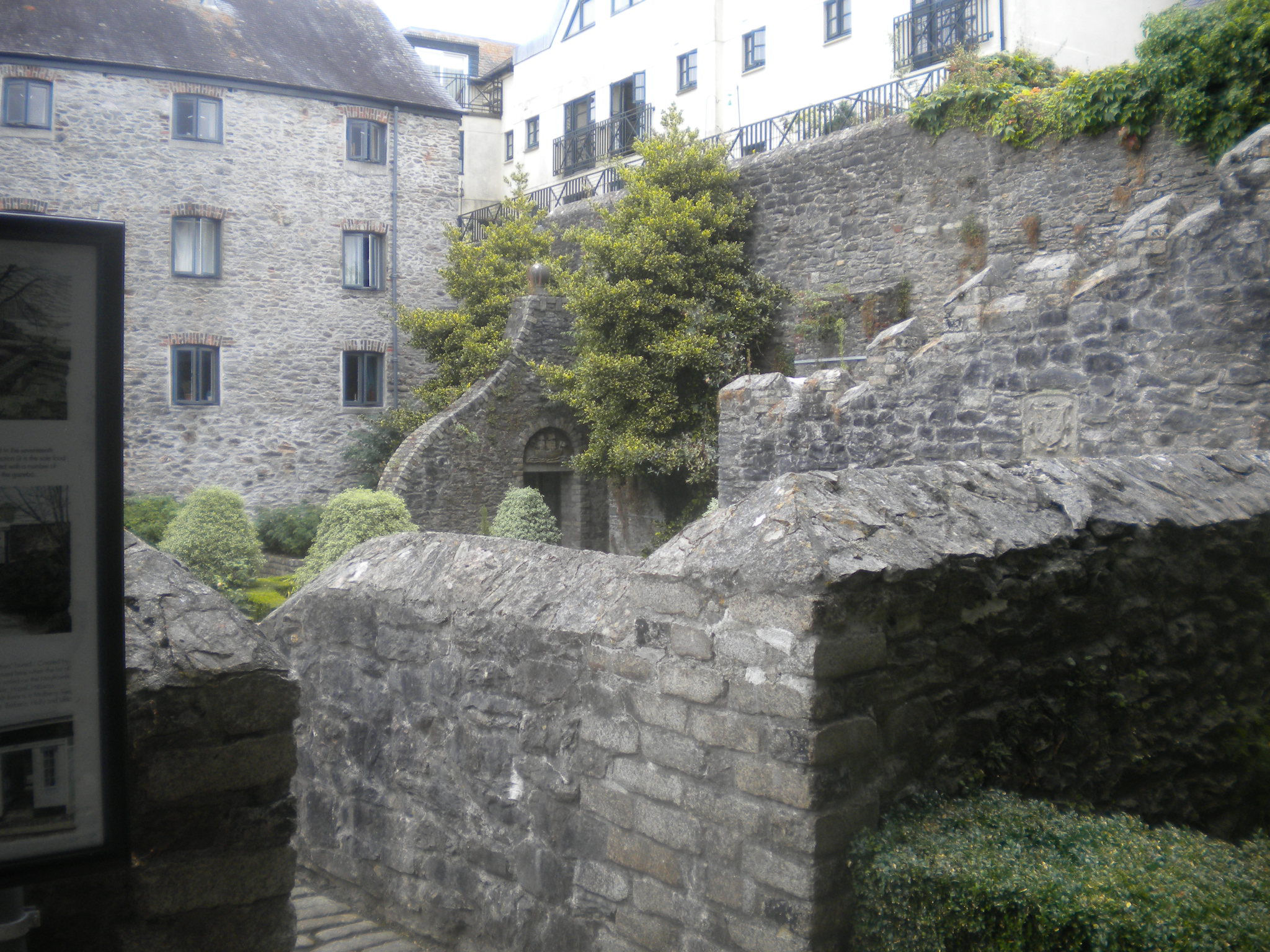
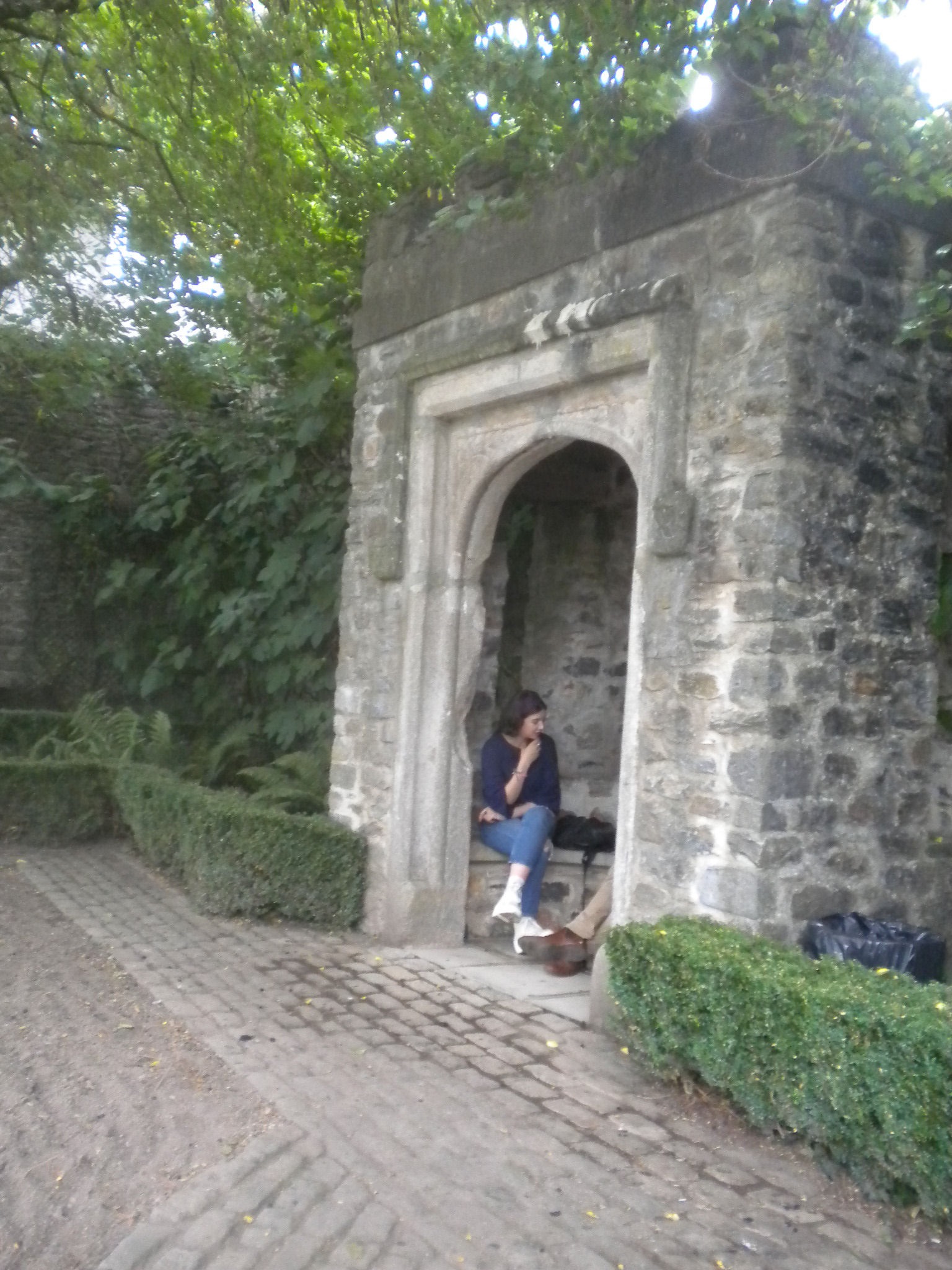
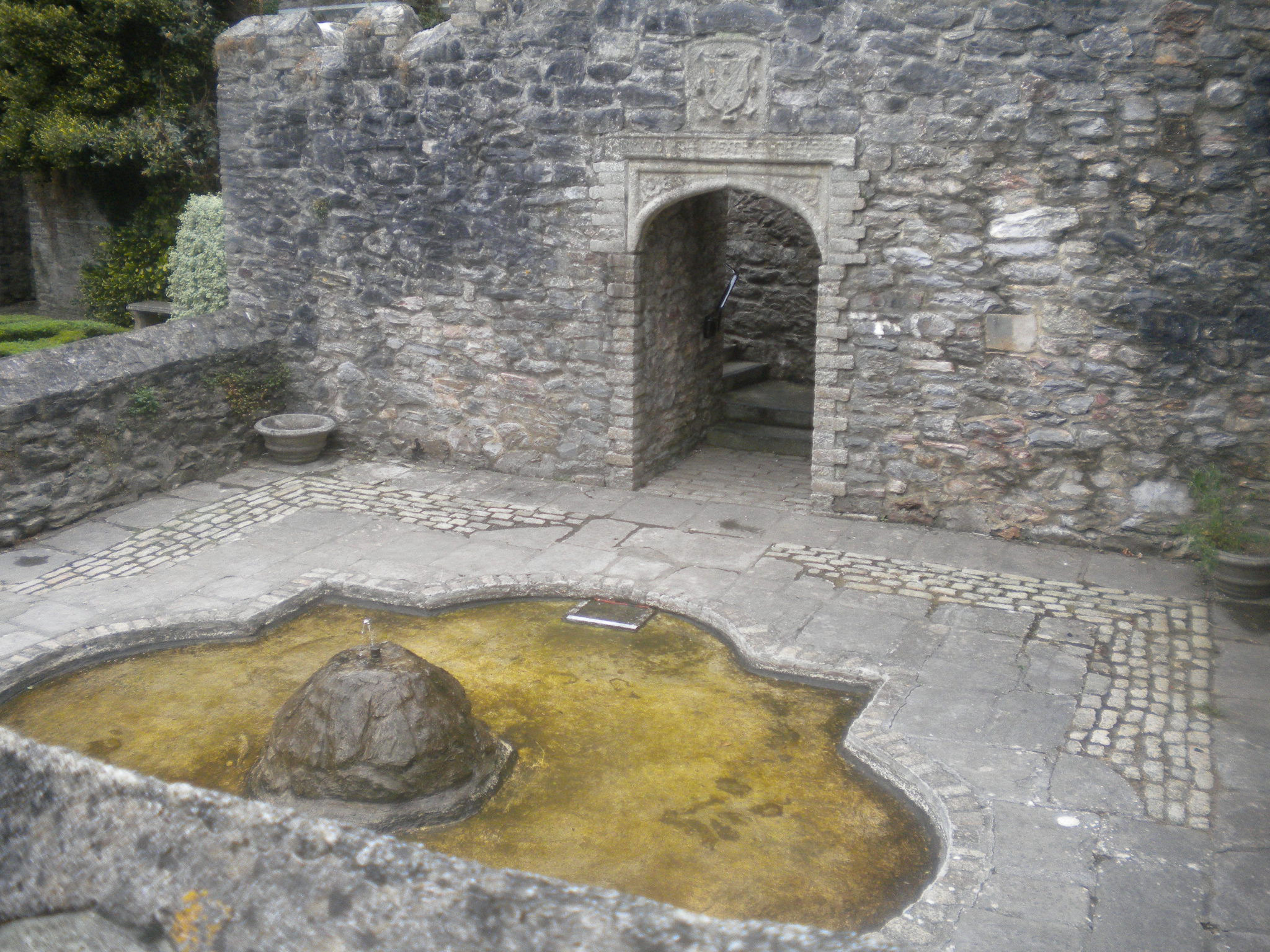
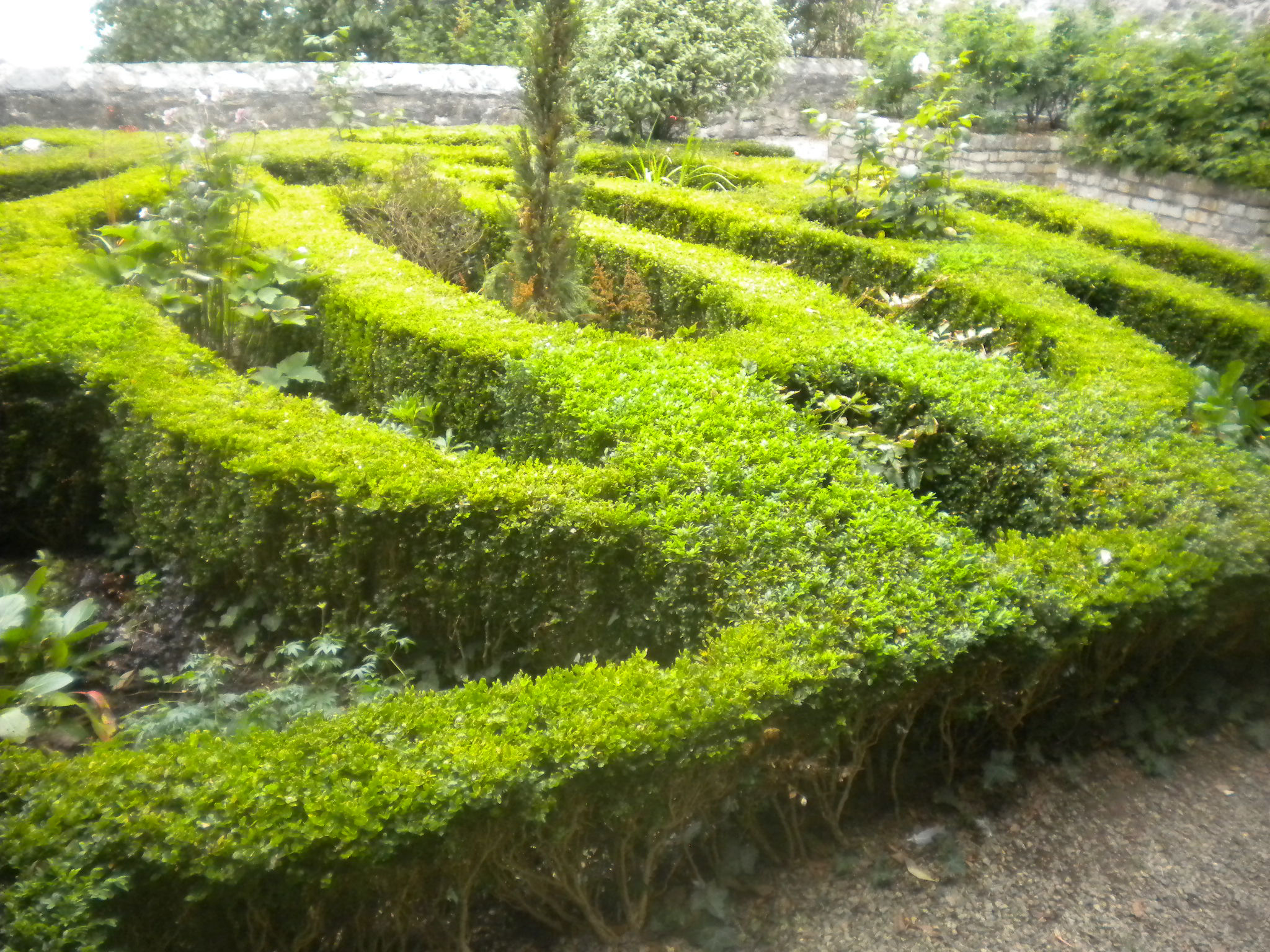
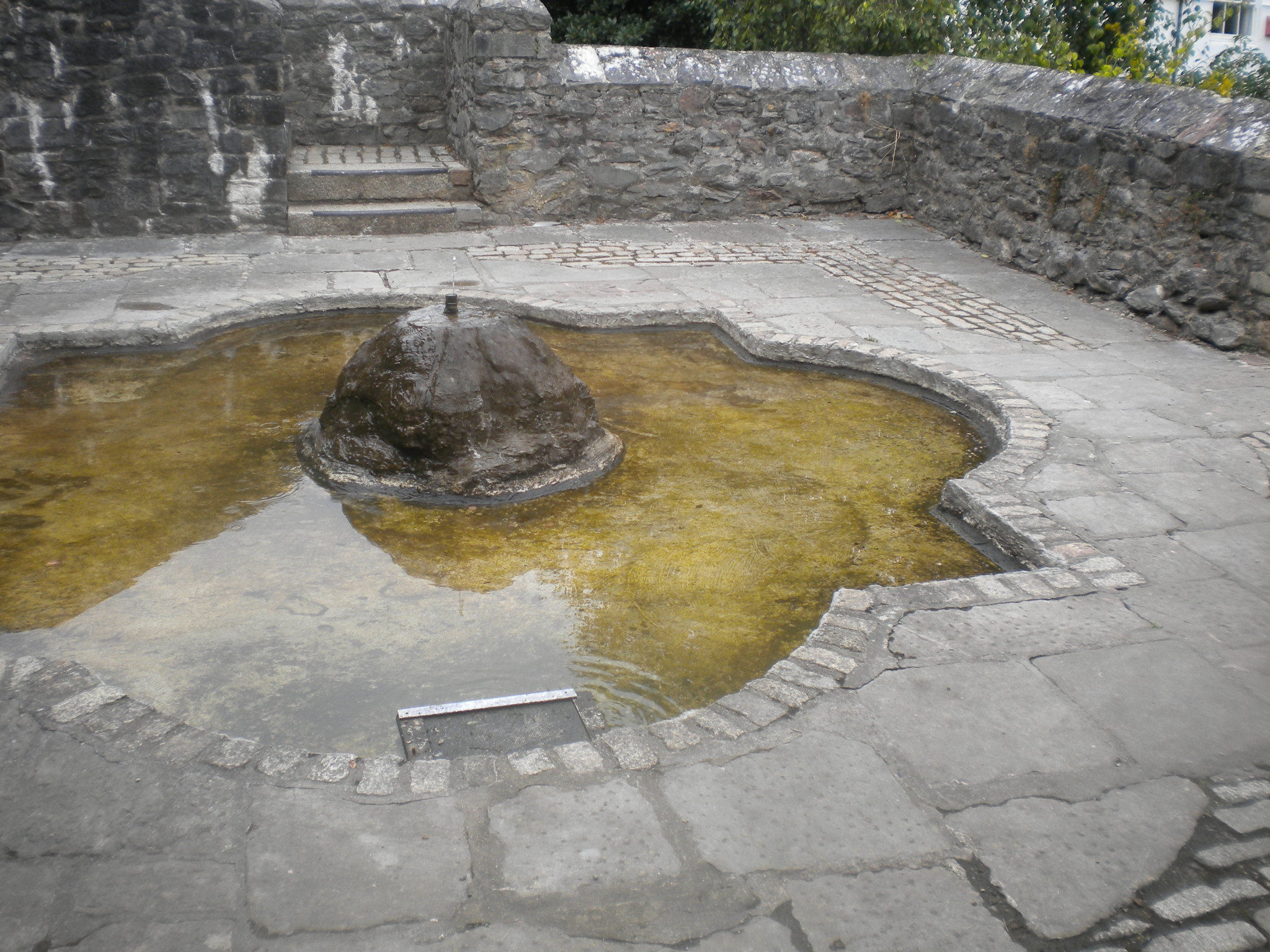
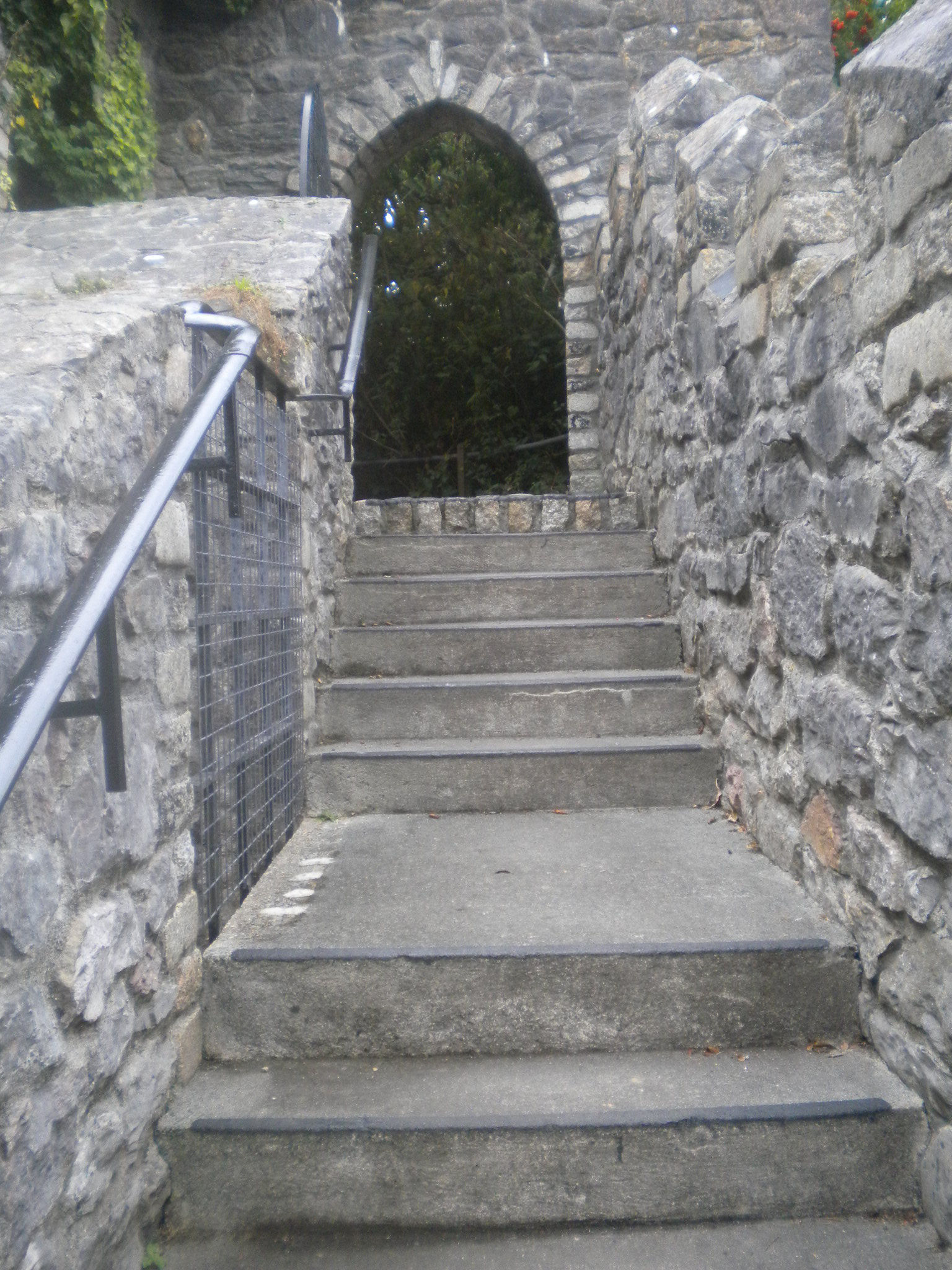
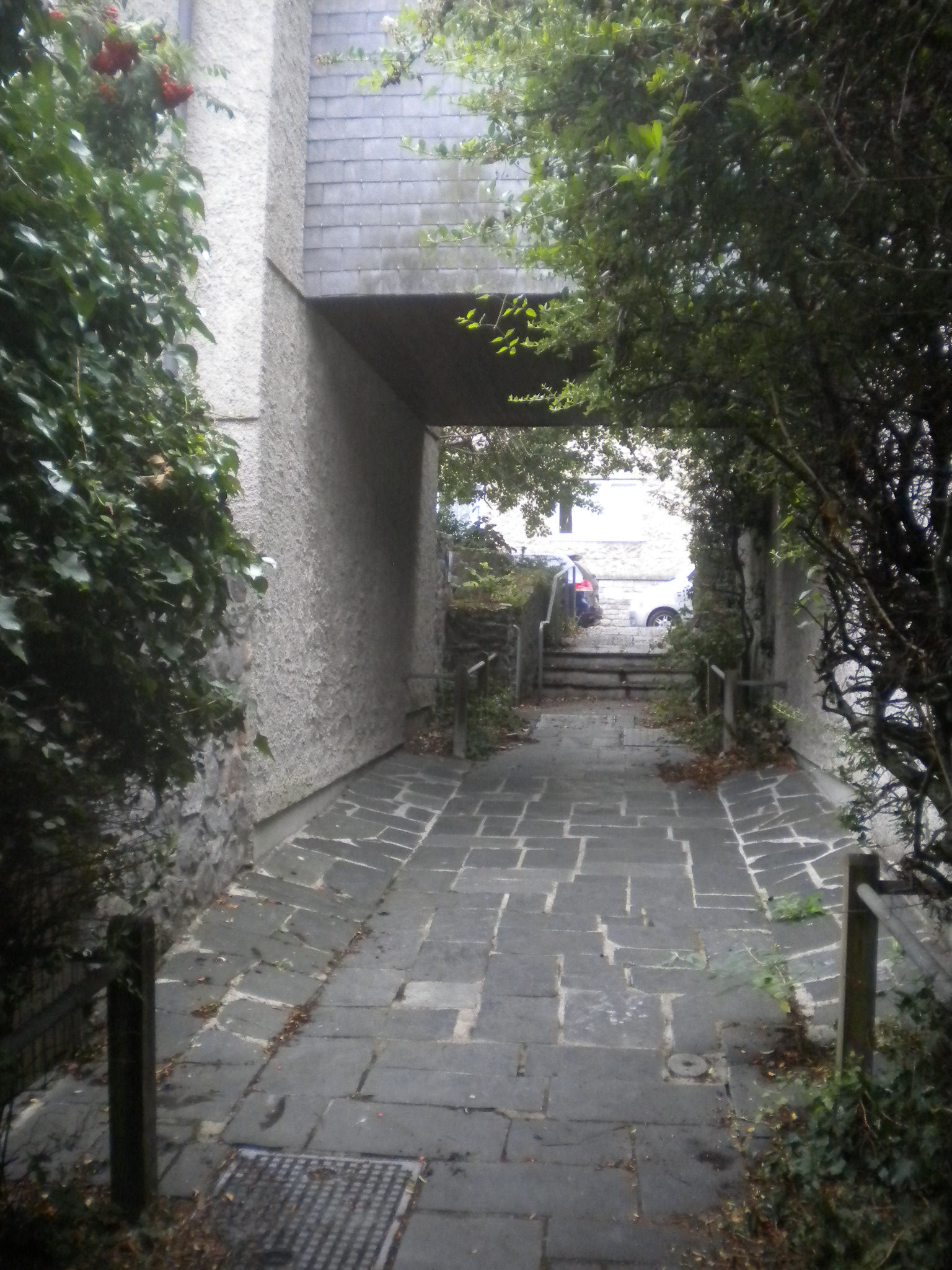
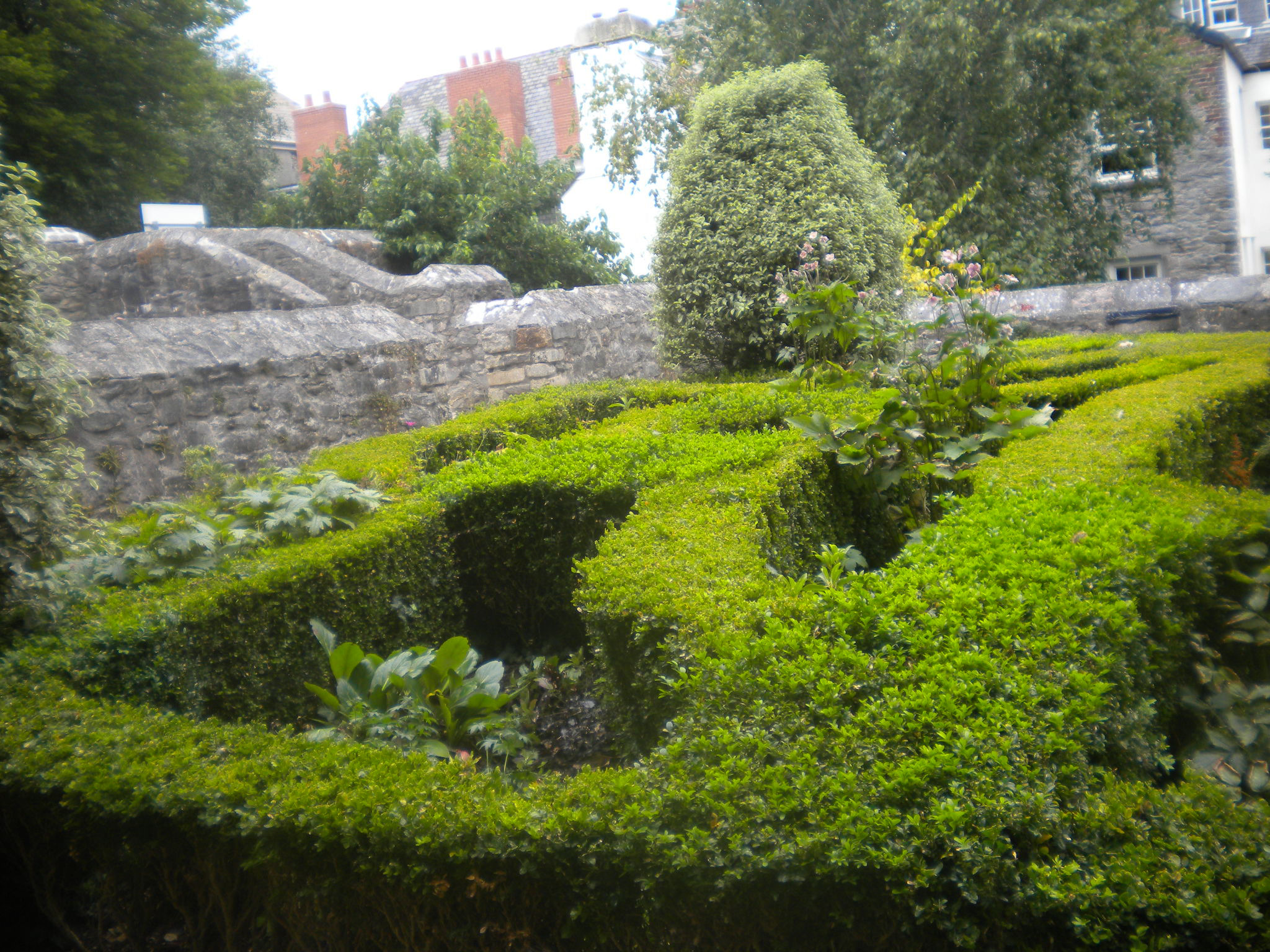
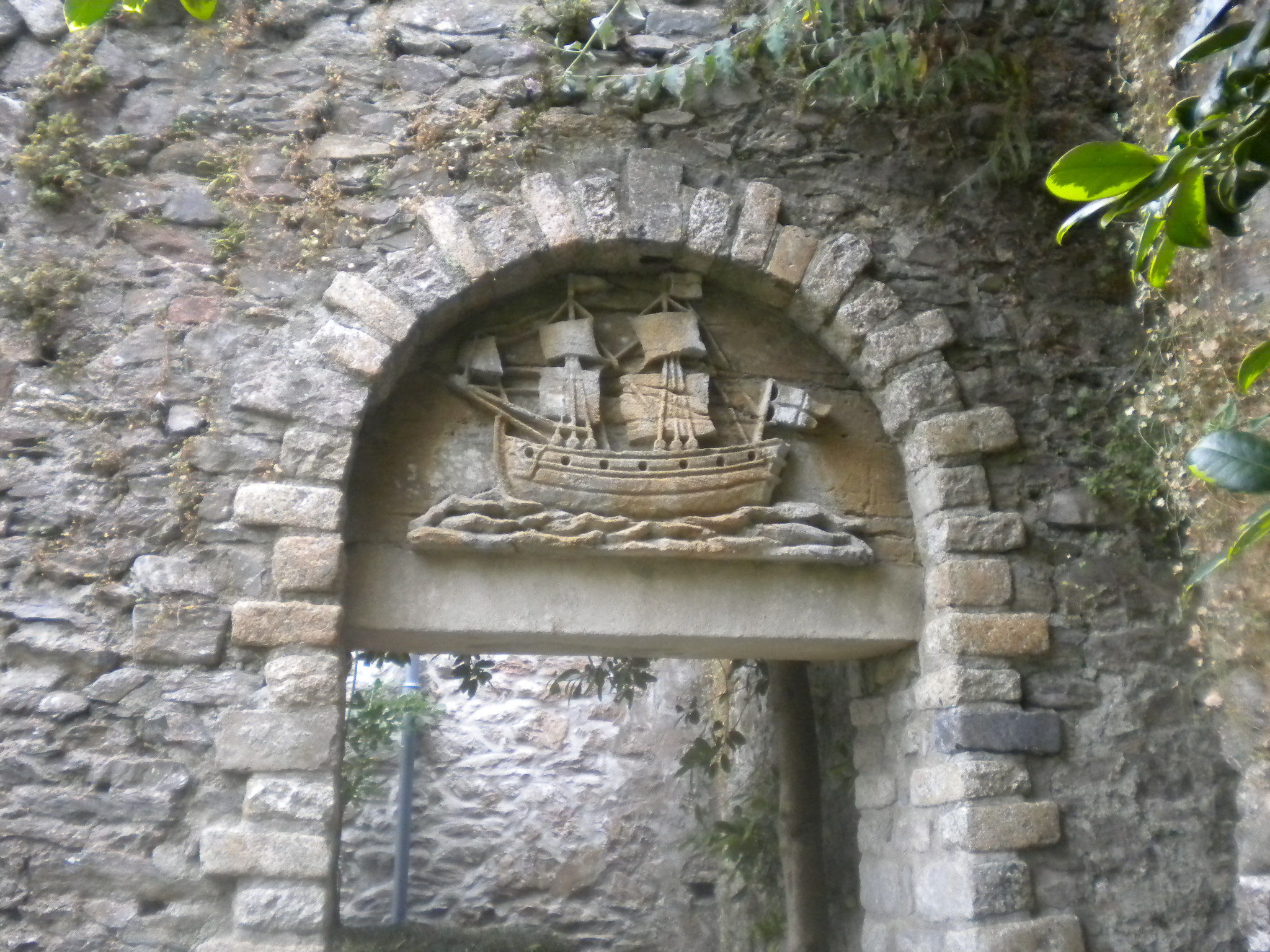
After the devastation of World War II, the city council was desperate to build enough new houses all those destroyed in bombing during the war. They decided to destroy the Barbican houses, even those of historical value. However, the prospect of the historic properties near Plymouth harbour being destroyed raised a public outcry, and the Plymouth Barbican Association was formed. They managed to purchase and restore houses of historical value, but the tenement cottages behind them were removed and the garden area restored as it might have looked over 400 years ago. There are actually not one but four gardens, linked by passages and stairs, created in the ruins of 'backland' cottages (small dwellings built into the back gardens of the merchant houses). The four garden areas include an old-fashioned rose garden, a knot garden defined by box hedges, a formal water garden centred around a circular pool, and a lawn garden. An extra bit of historical context is provided by a 17th-century doorway from the Hospital of Poor's Portion (a private charity established in the 16th century to instruct poor children in skilled labour), and a tympanum with a very fine carving of a ship under sail.
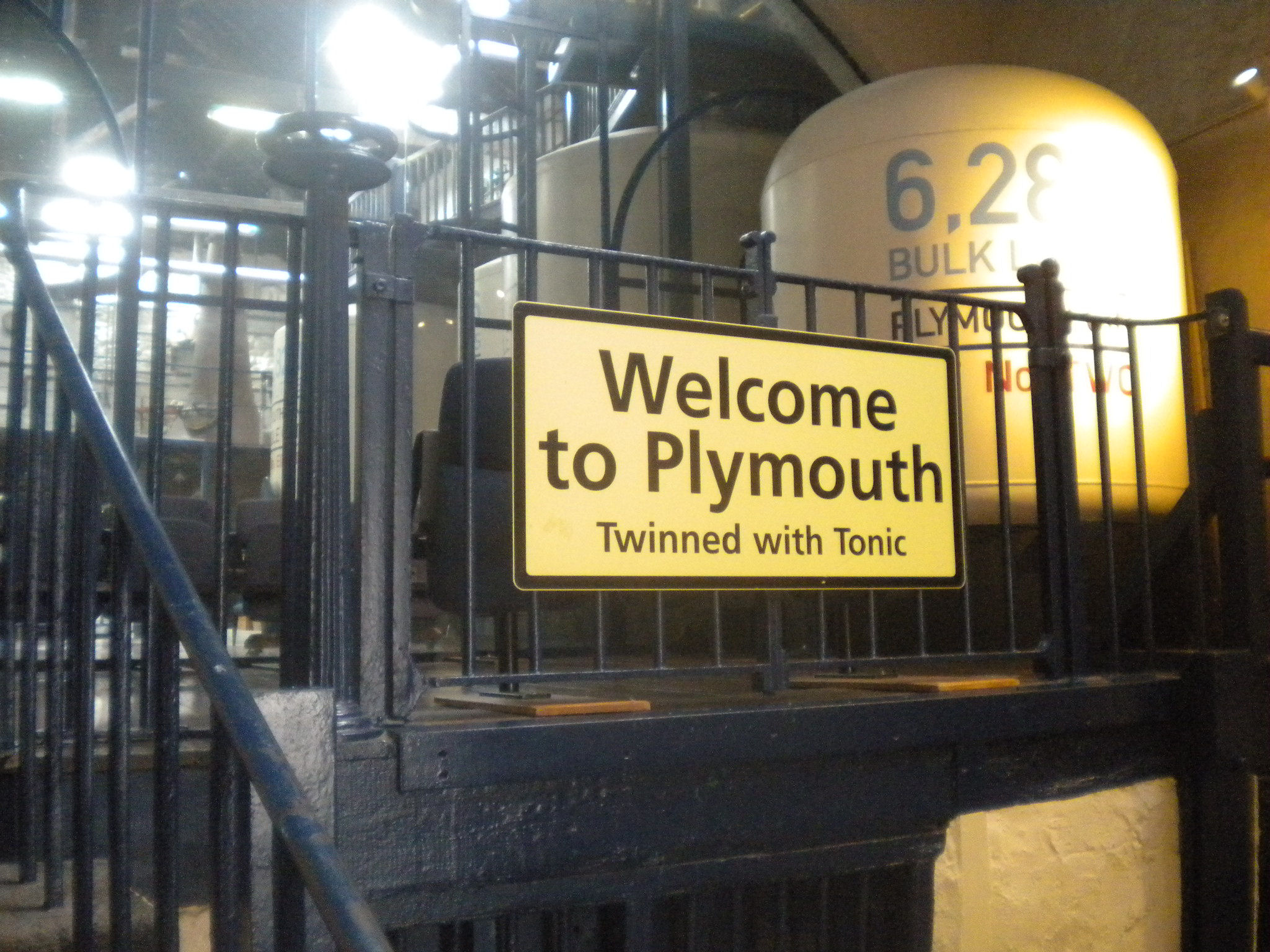
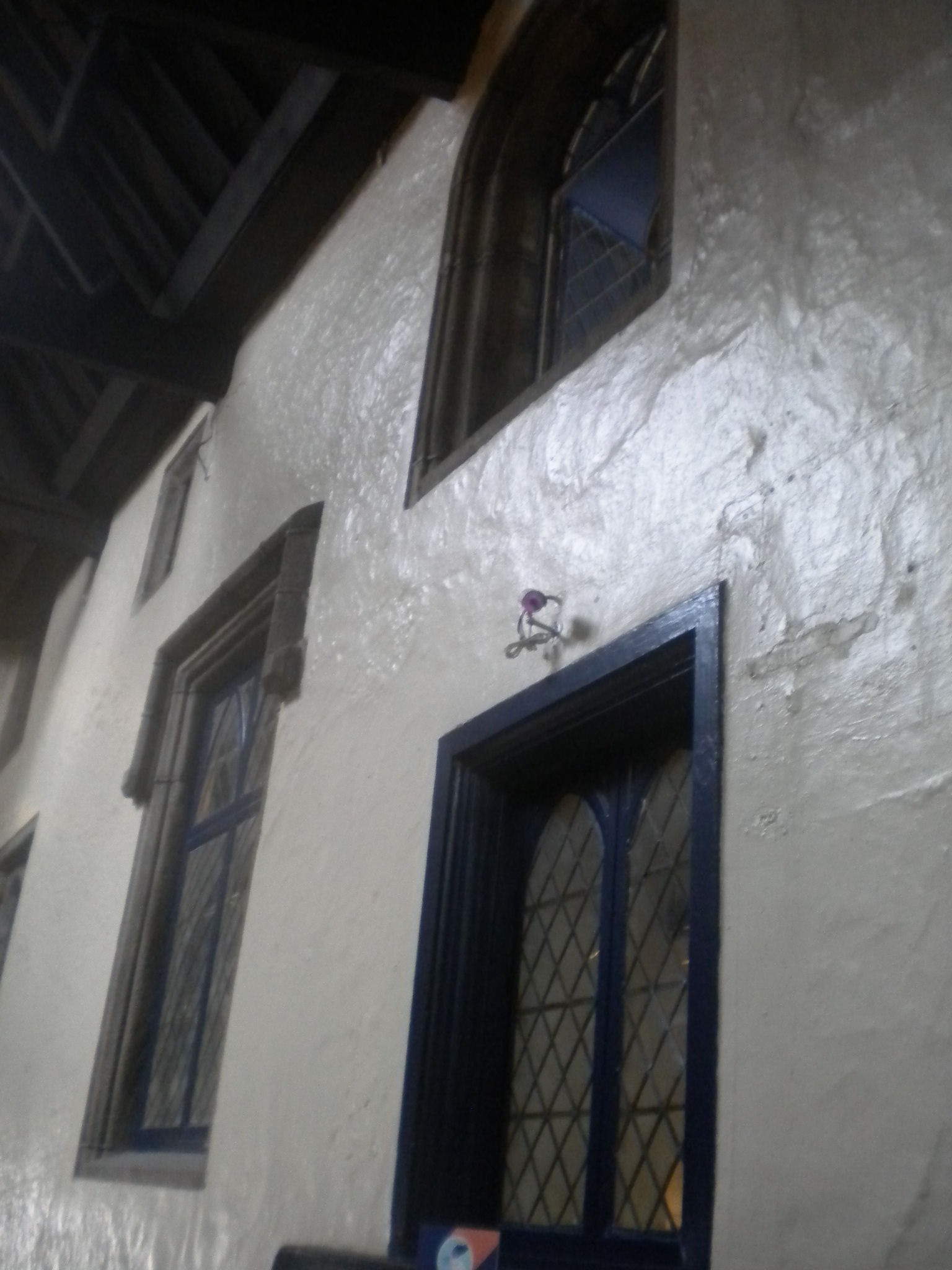
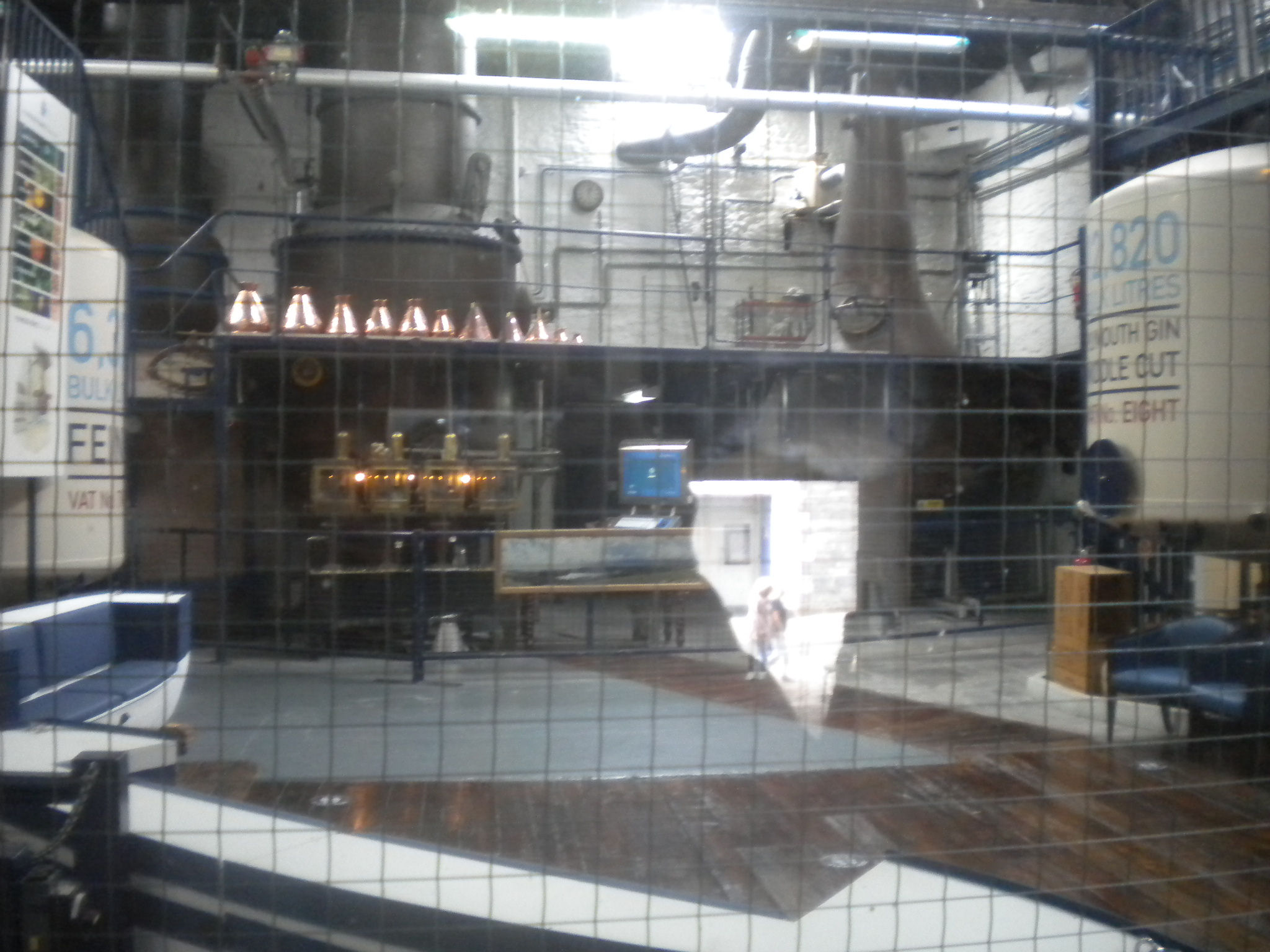
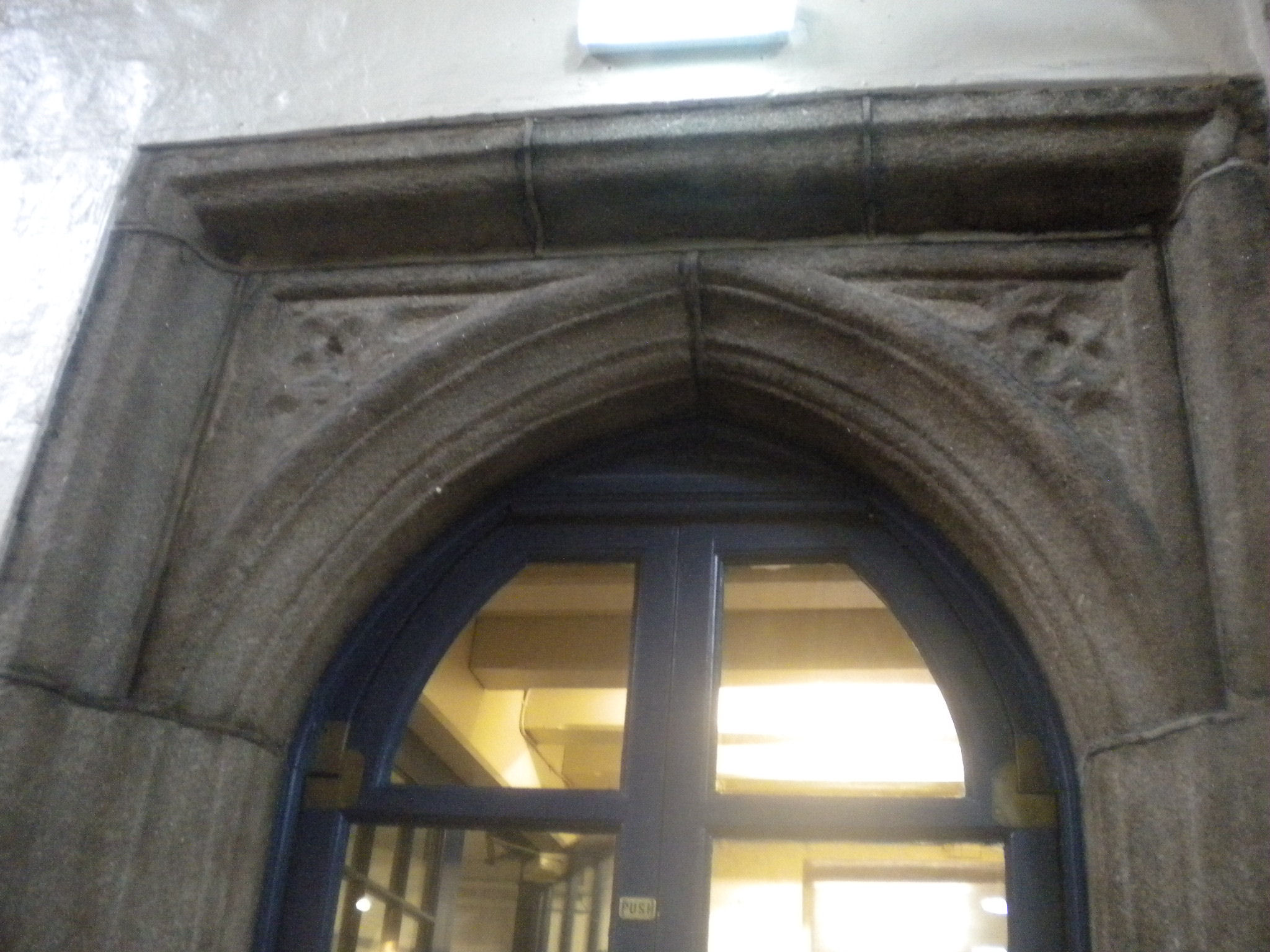
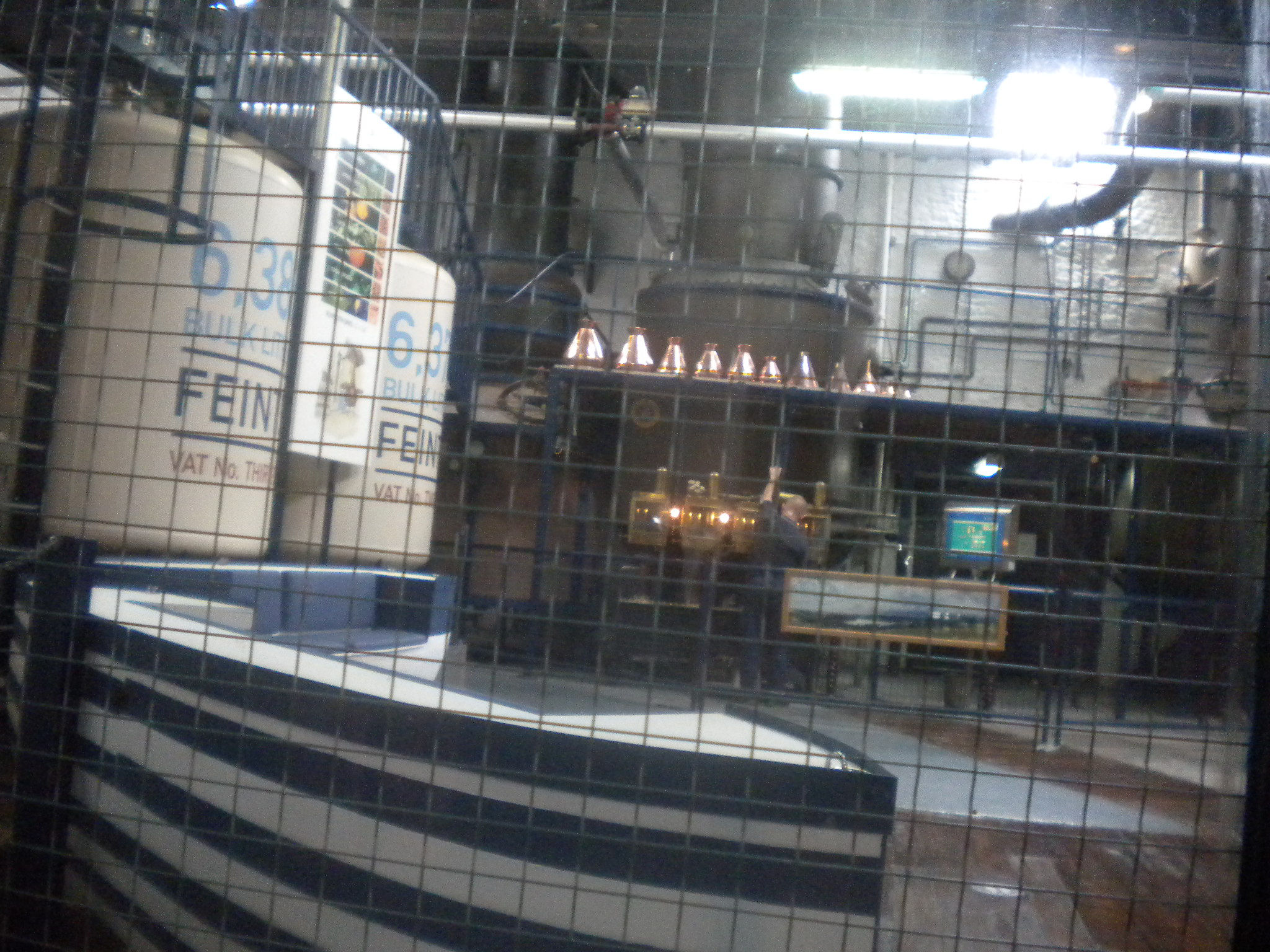
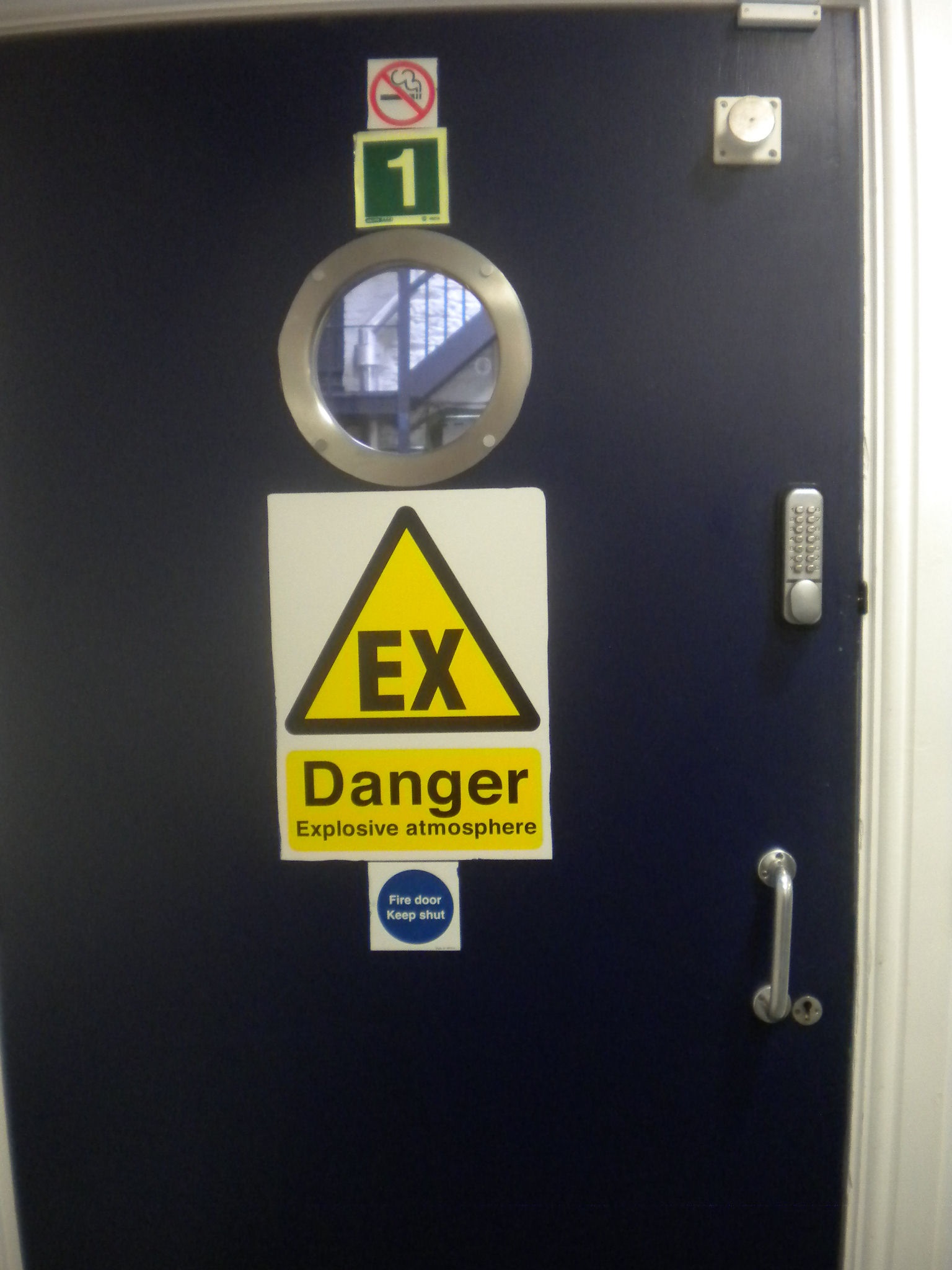
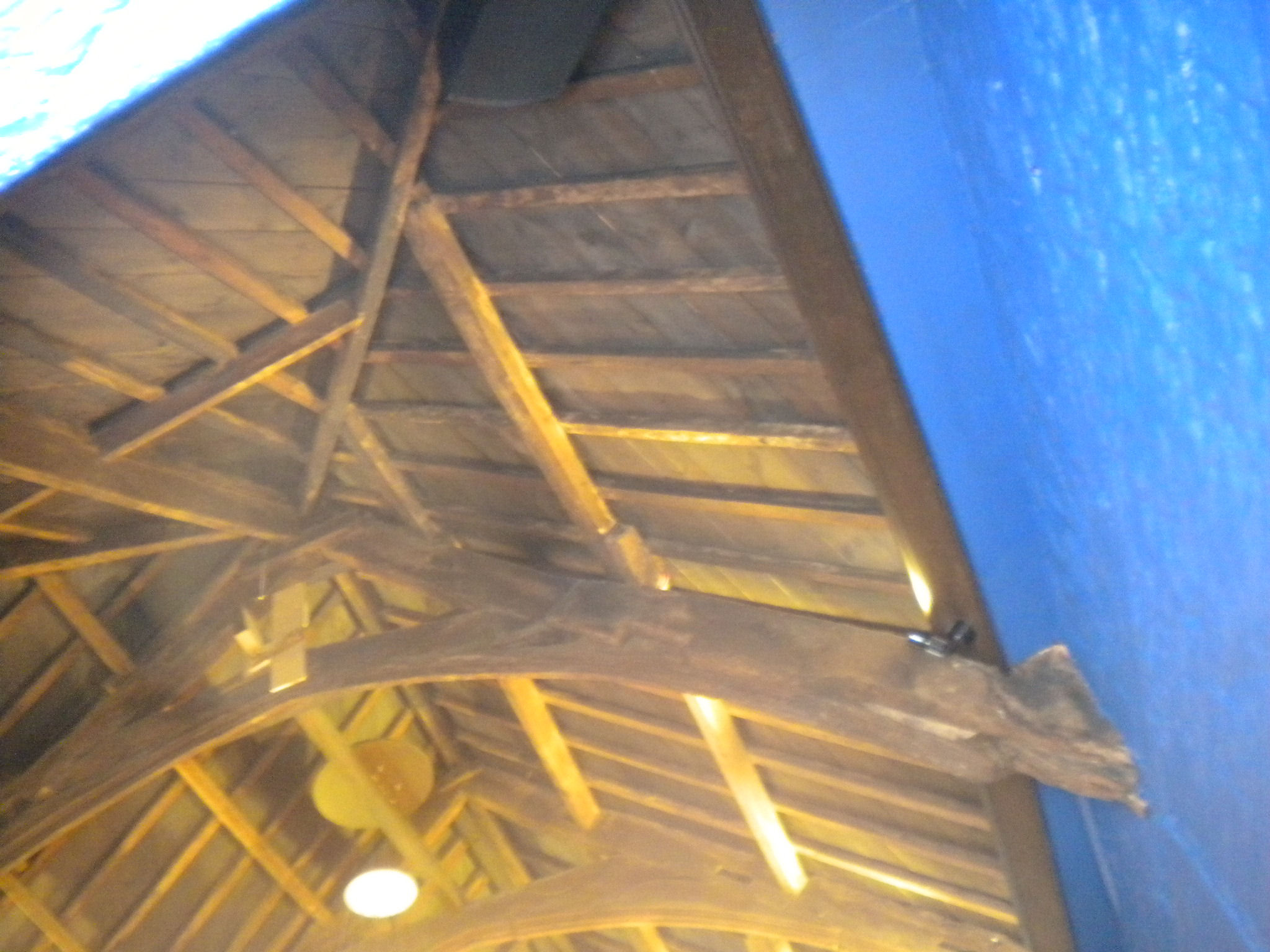
The Plymouth Distillery, in Southside Street, is the oldest working distillery in England. It has been making Plymouth Gin according to the original recipe since 1793. The building has remains from the Dominican friary (Blackfriars). While being shown round, we were told that we were not allowed to enter the actual distillery area, as it had a potentially explosive atmosphere! After the tour, we were given some gin in their bar, with a lovely old wooden roof.
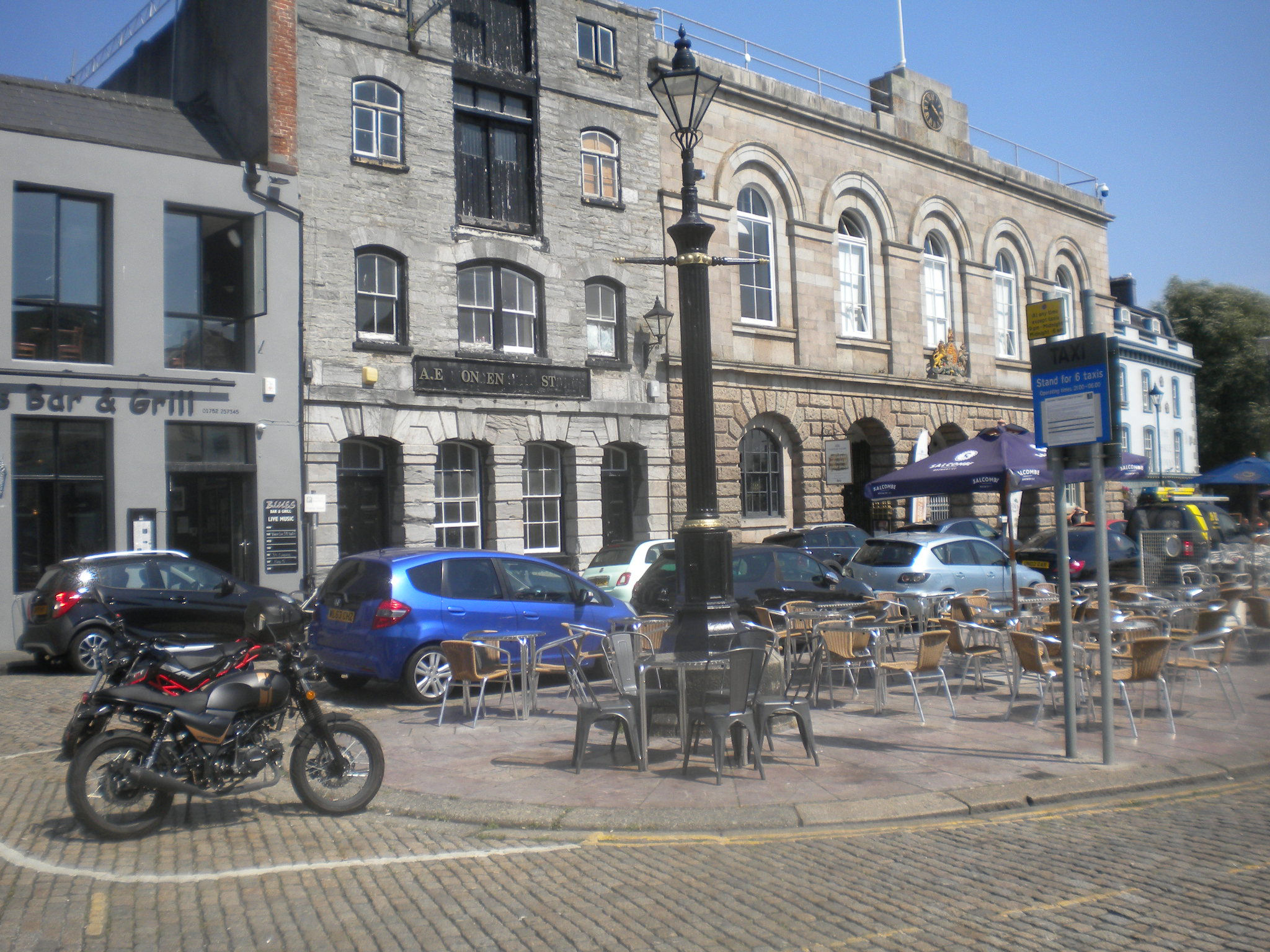
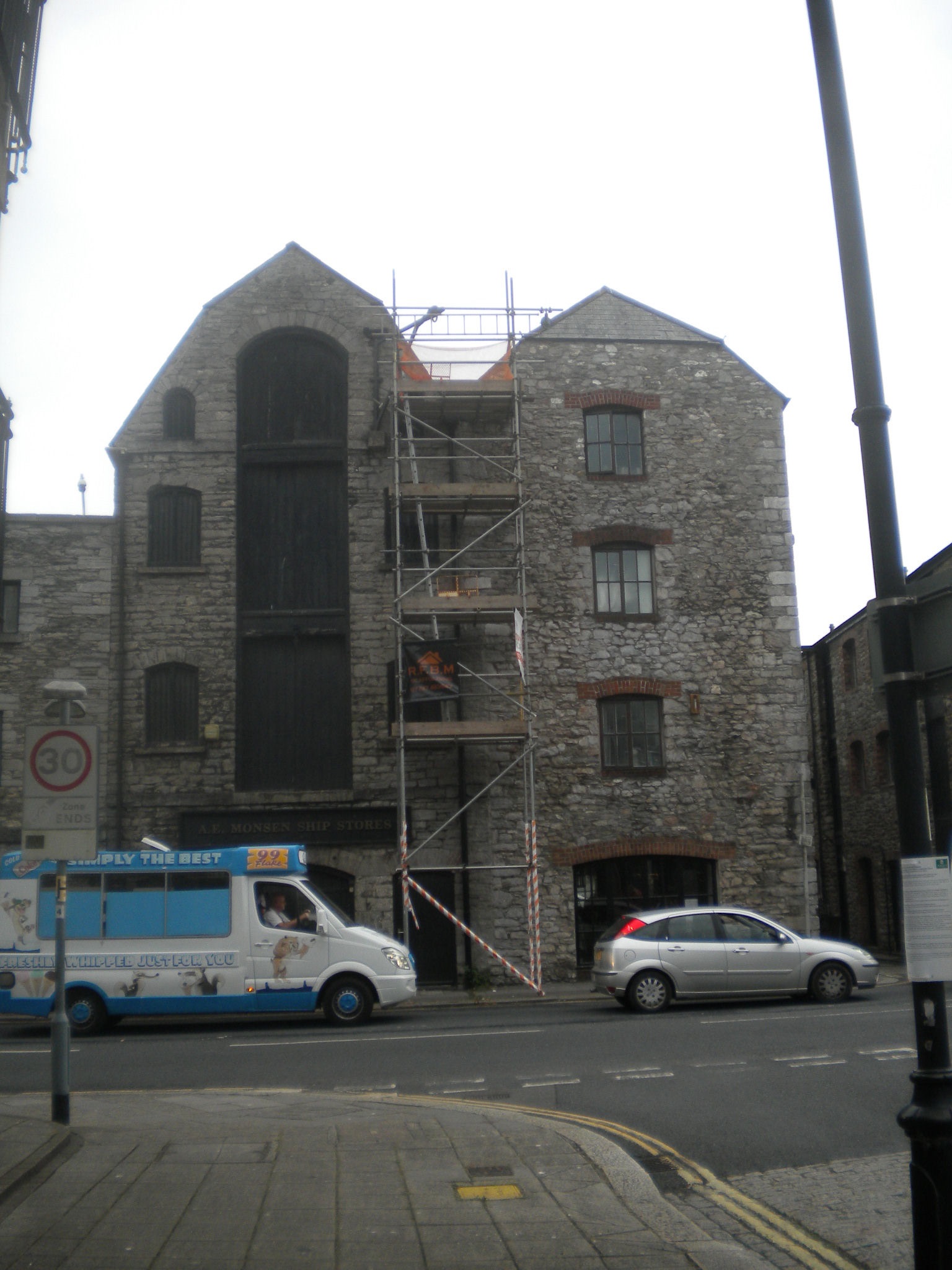
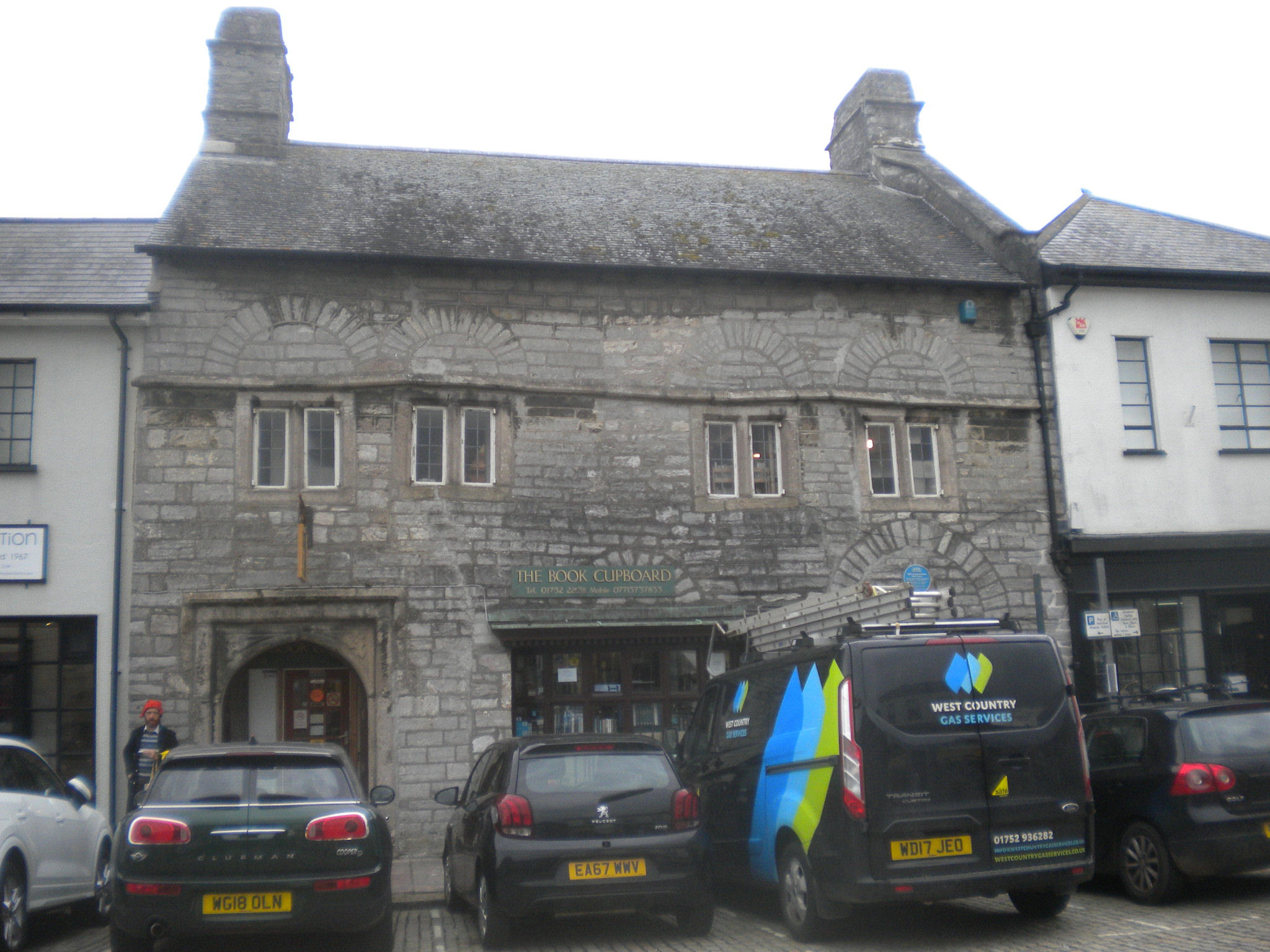
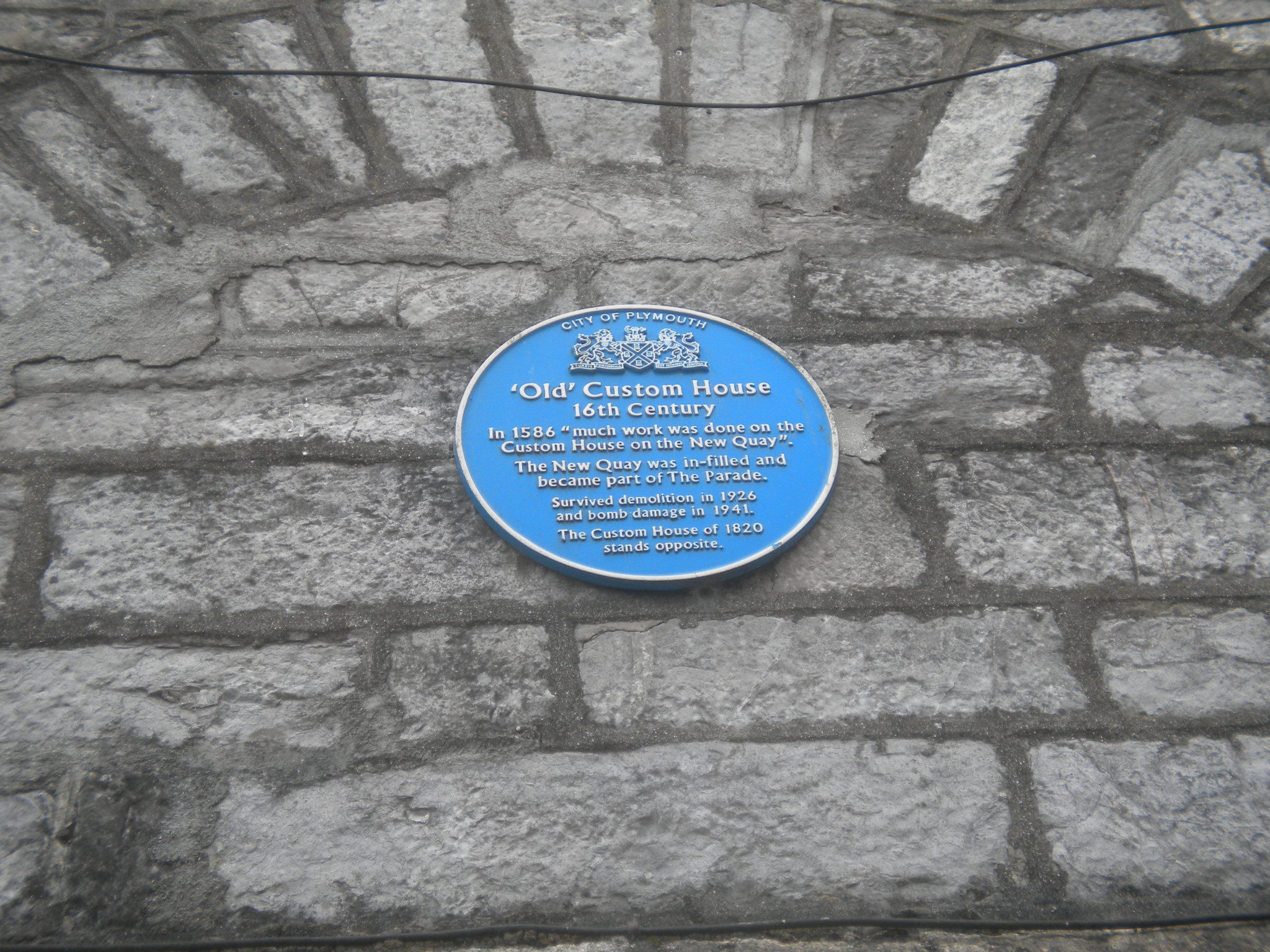
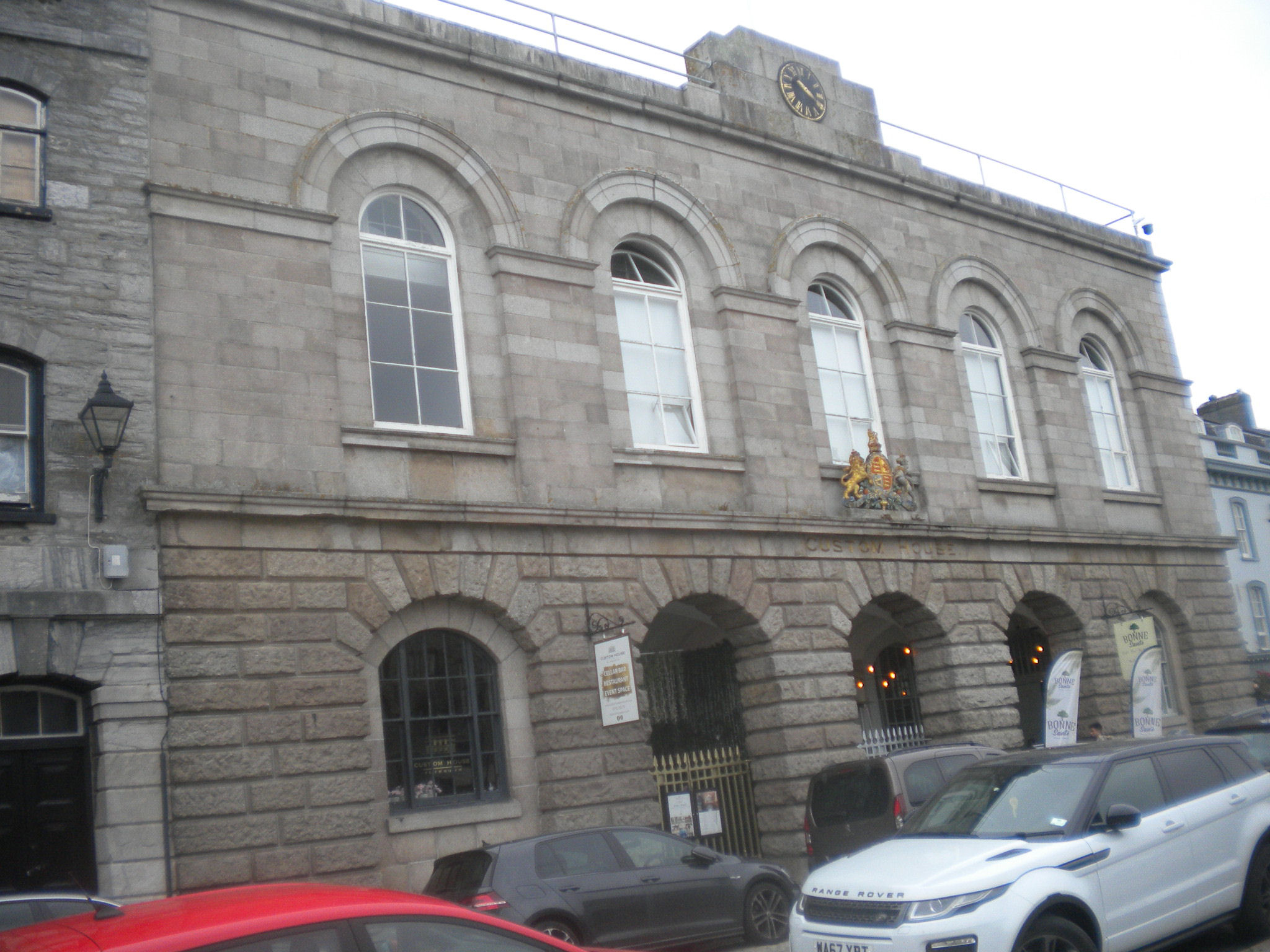
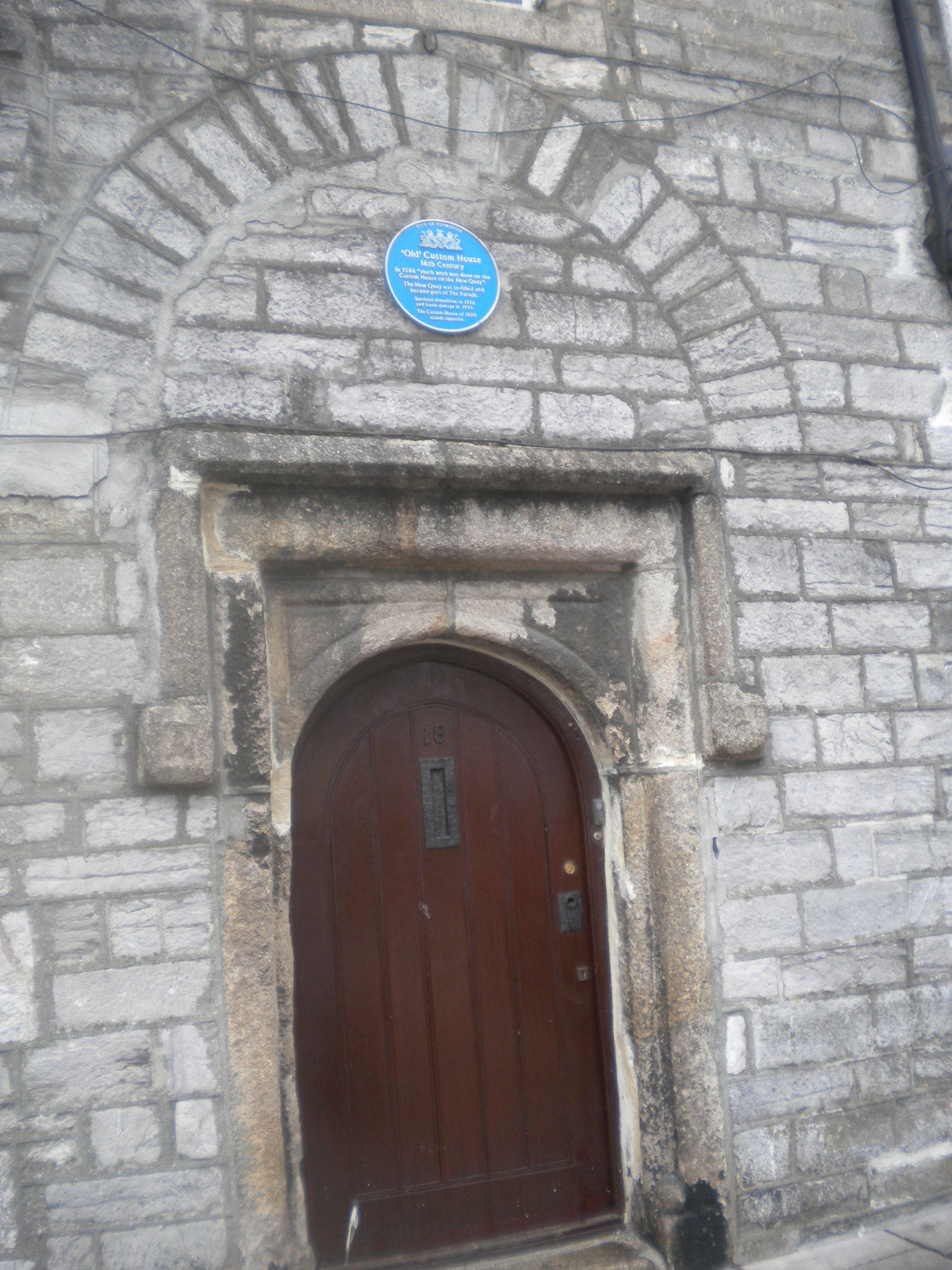
This contains the Old Custom House, and the Custom House
© Jo Edkins 2023