
Plymouth Hoe and CitidelClick on a photo for a large version. |
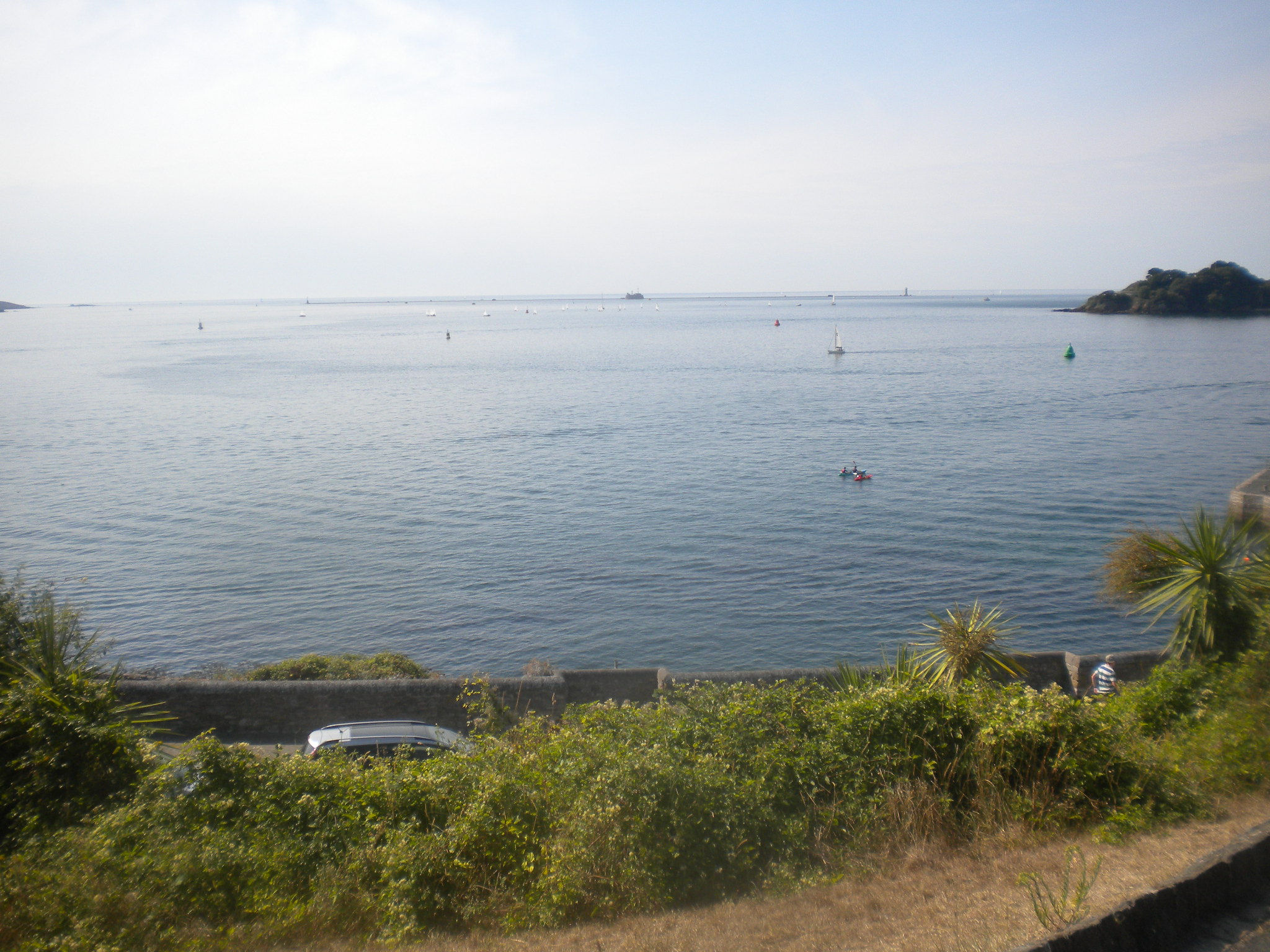
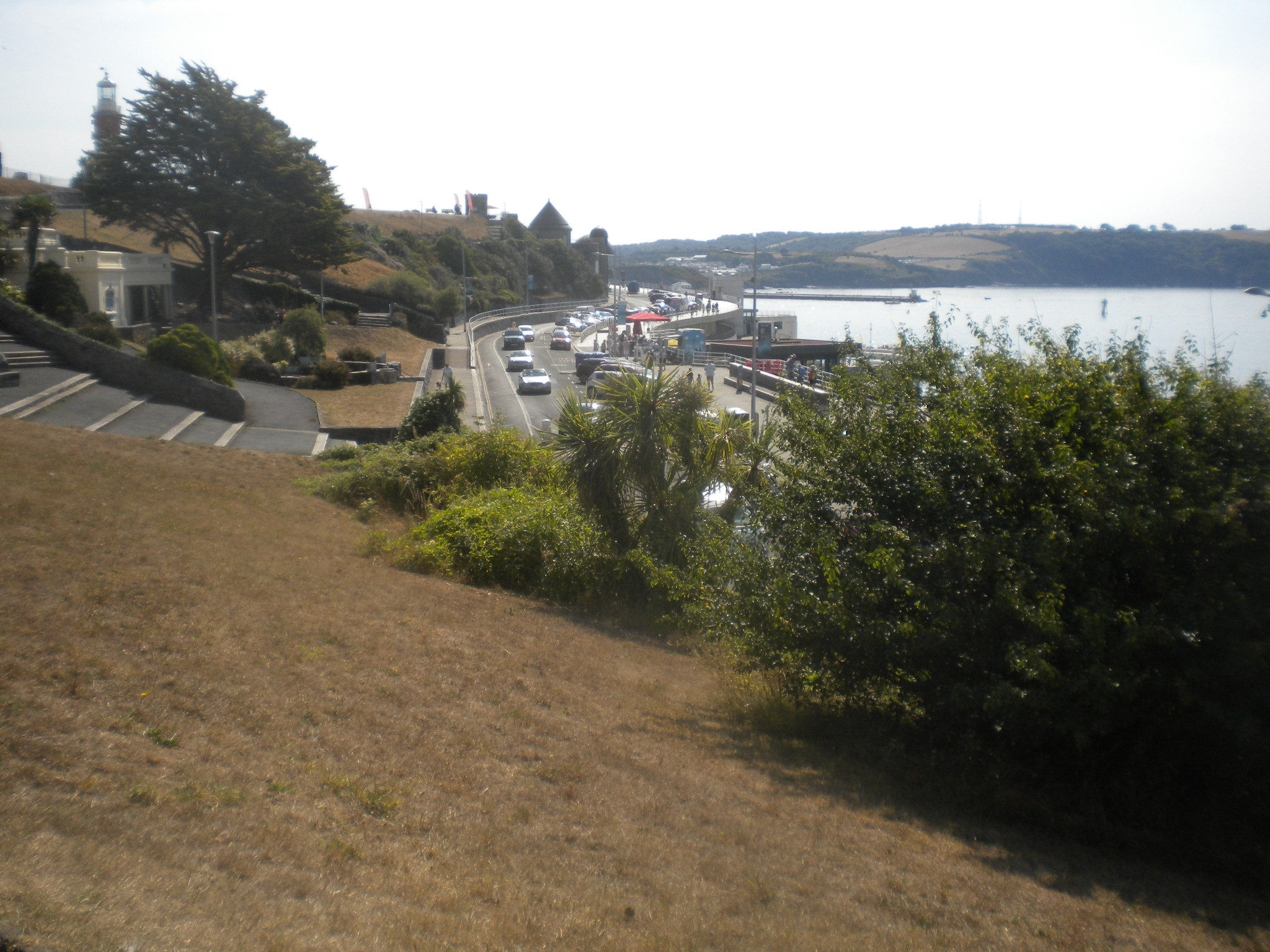
The Hoe is a grassed area near the sea, although it is on top of a cliff. The Hoe dates back to the medieval era when the first settlers arrived. This was long before the exploits of Sir Francis Drake, who played bowls here while waiting for the Spanish Armada in 1588.
This is east of Hoe Park. The Royal Citidel was built by King Charles II to protect Plymouth due to its importance as a channel port. Possibly due to Plymouth's support for the Parliamentarians in the Civil War its guns could also fire on the town! It is still occupied by the military.


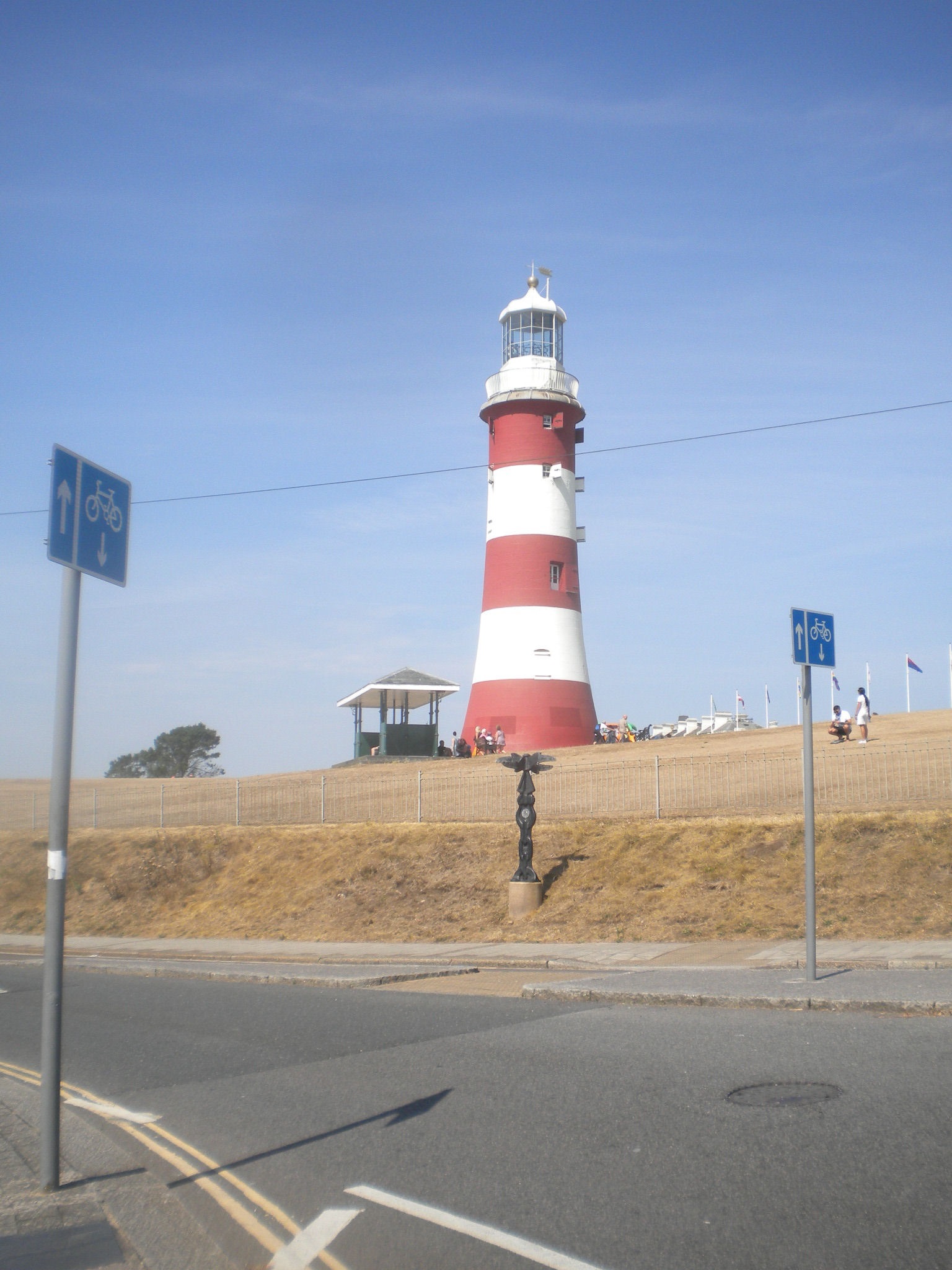
This is the lighthouse built on the Eddystone Rocks, 11 miles/18 miles offshore in 1750. It was re-erected on the Hoe in 1882 after being replaced with a new lighthouse.
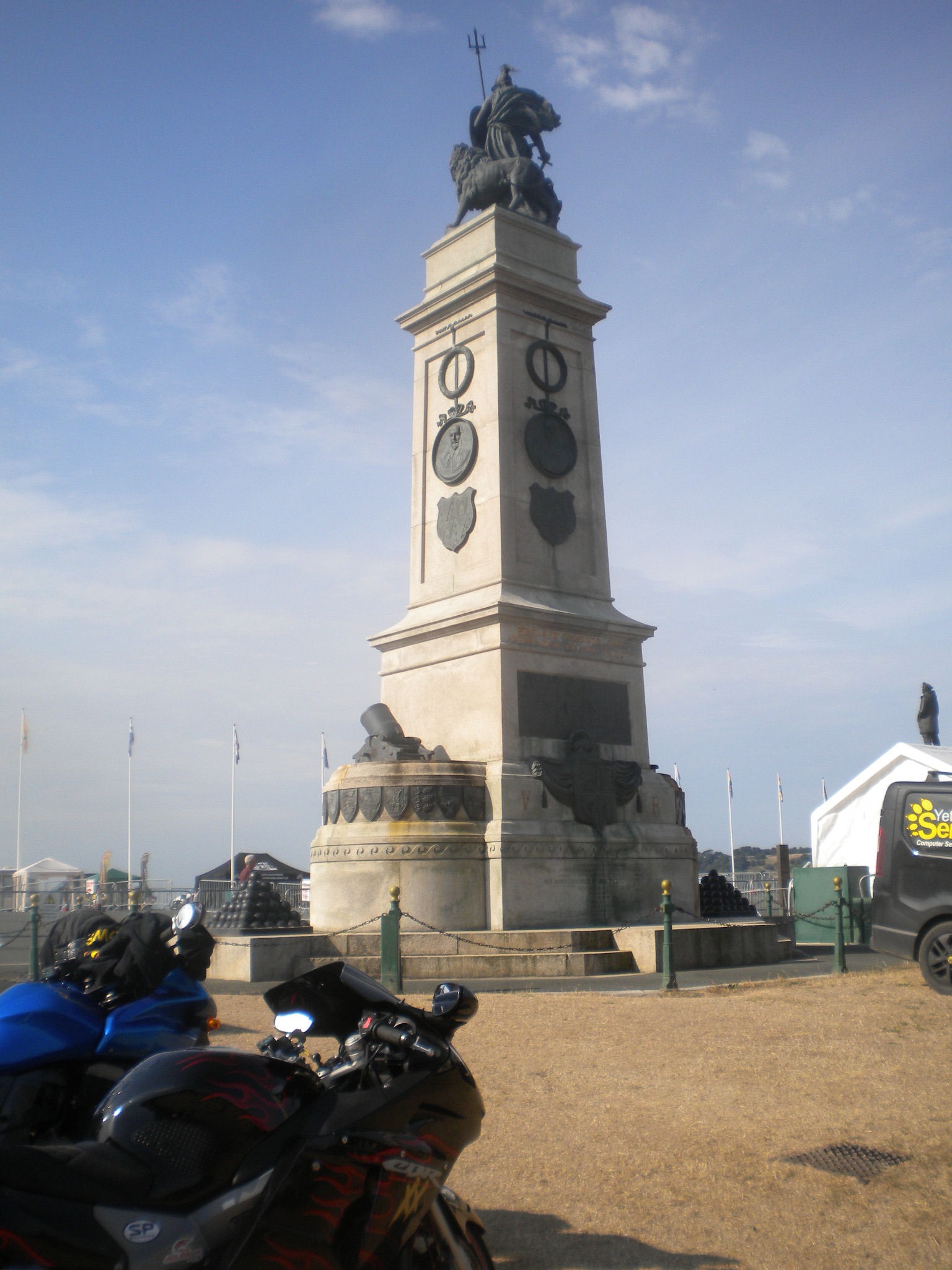
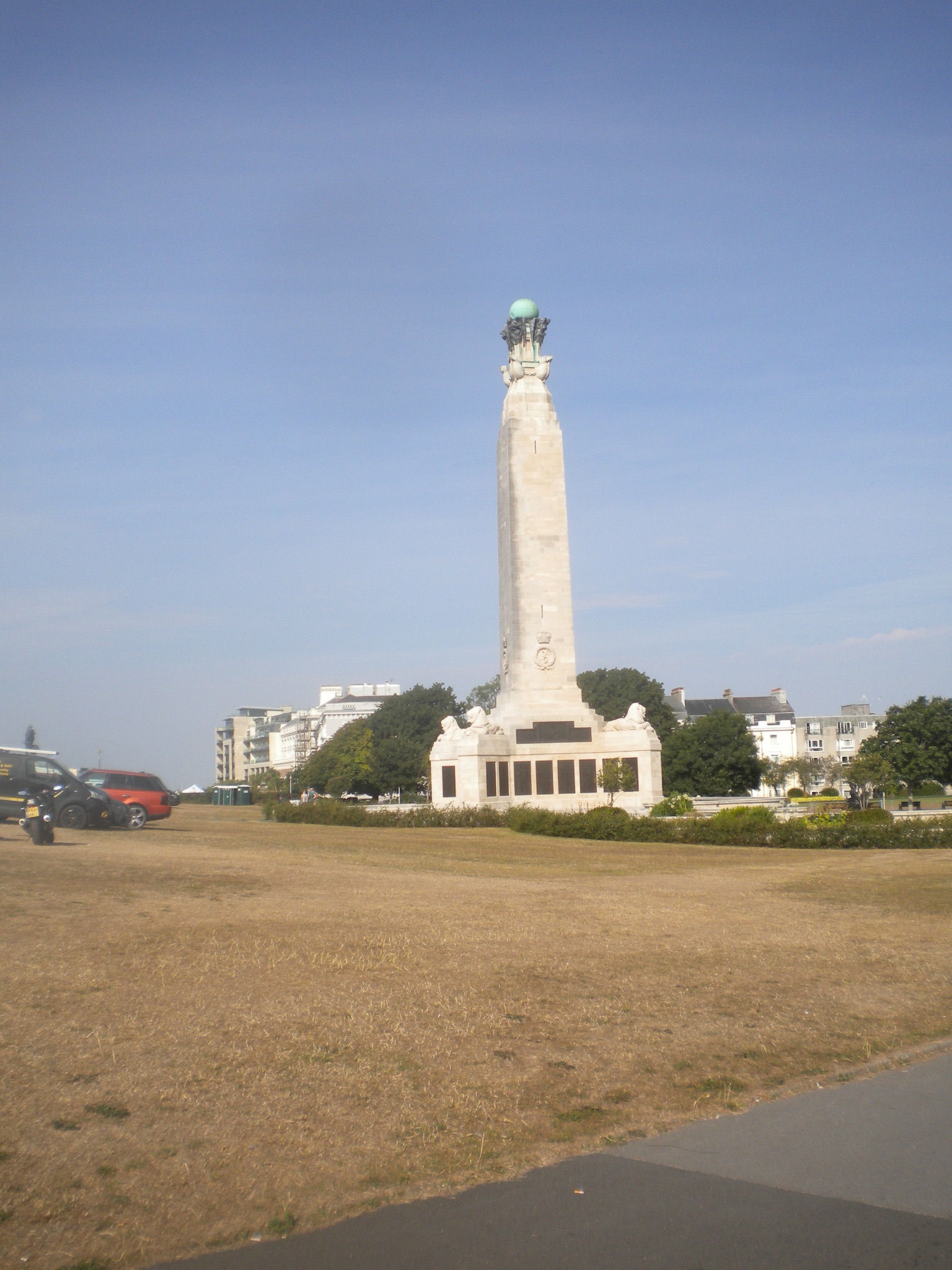
There are plenty of war memorials on the Hoe.


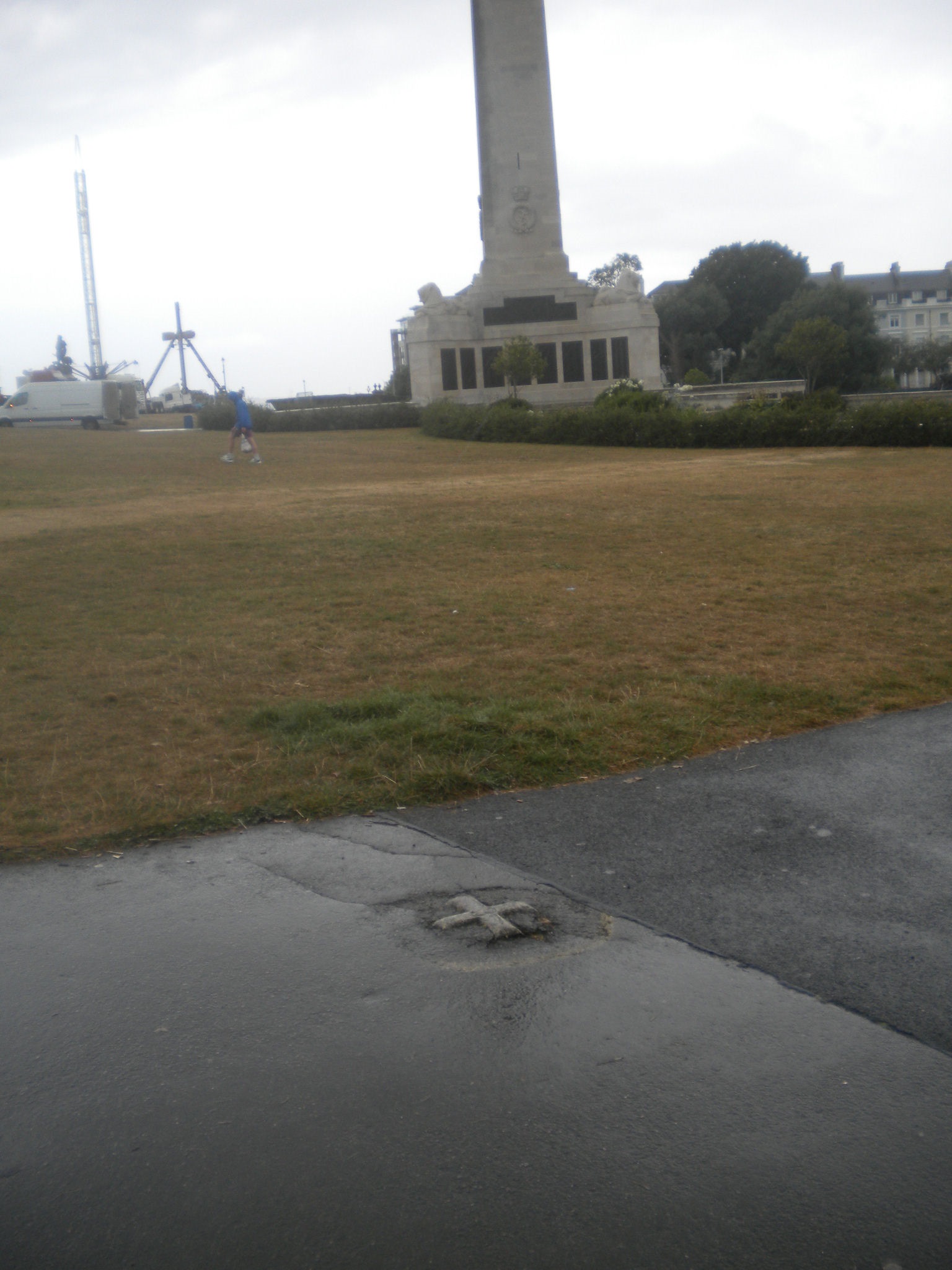
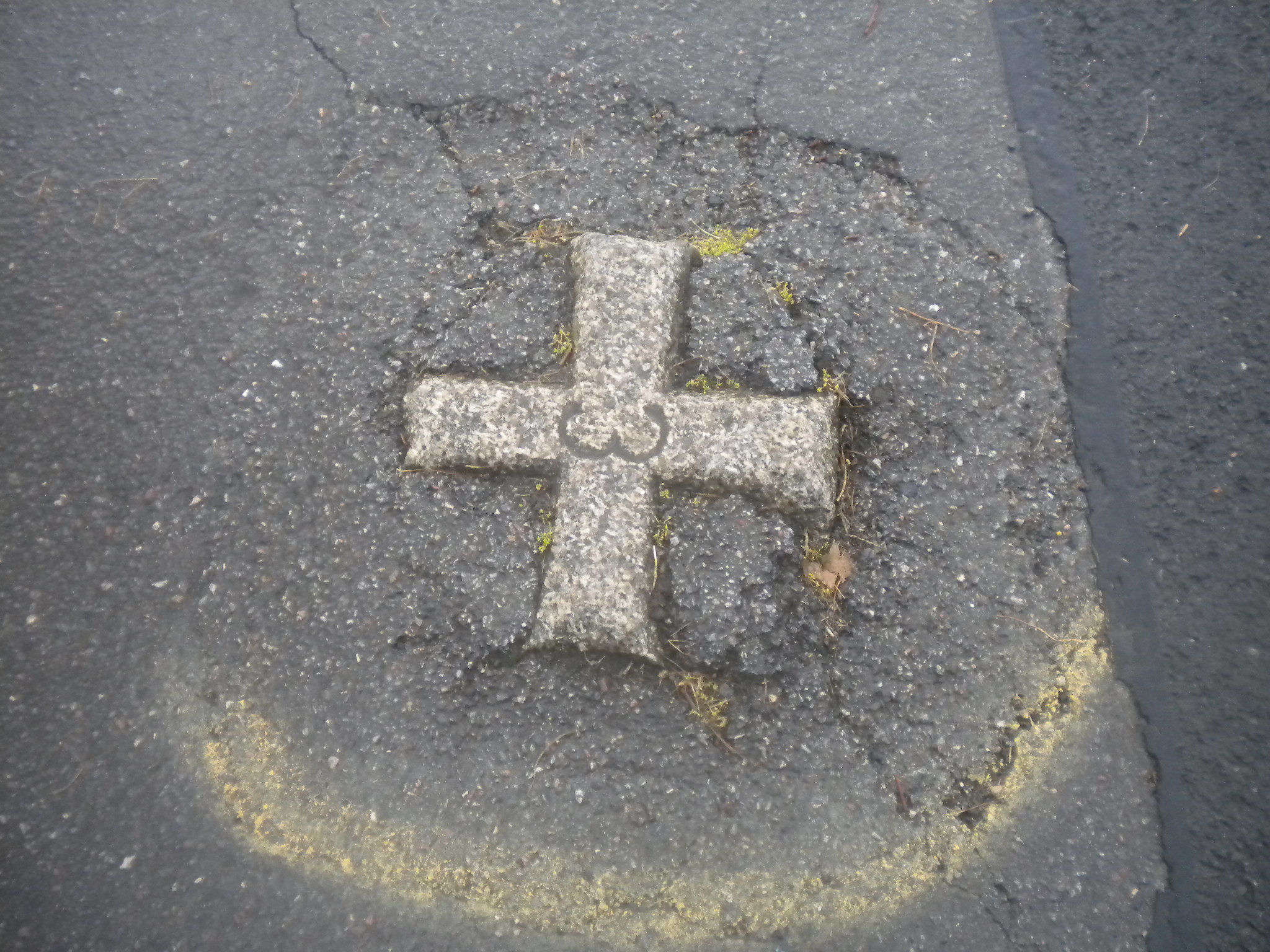
Near the largest war memorial is a small cross set into the tarmac. After numerous poorly paid and hungry naval personnel had been executed at Plymouth Dock, three Irish marines (two Catholic and one Protestant), were executed here for mutiny on 6th July 1797. A fourth was spared and given 1,000 lashes instead.
This statue of Sir Francis Drake on the Hoe is famous. It commemorates Drake's famous bowls game before the Armada attack. This memorial dates from 1884.


It's supposed to be a Galapagos tortoise.

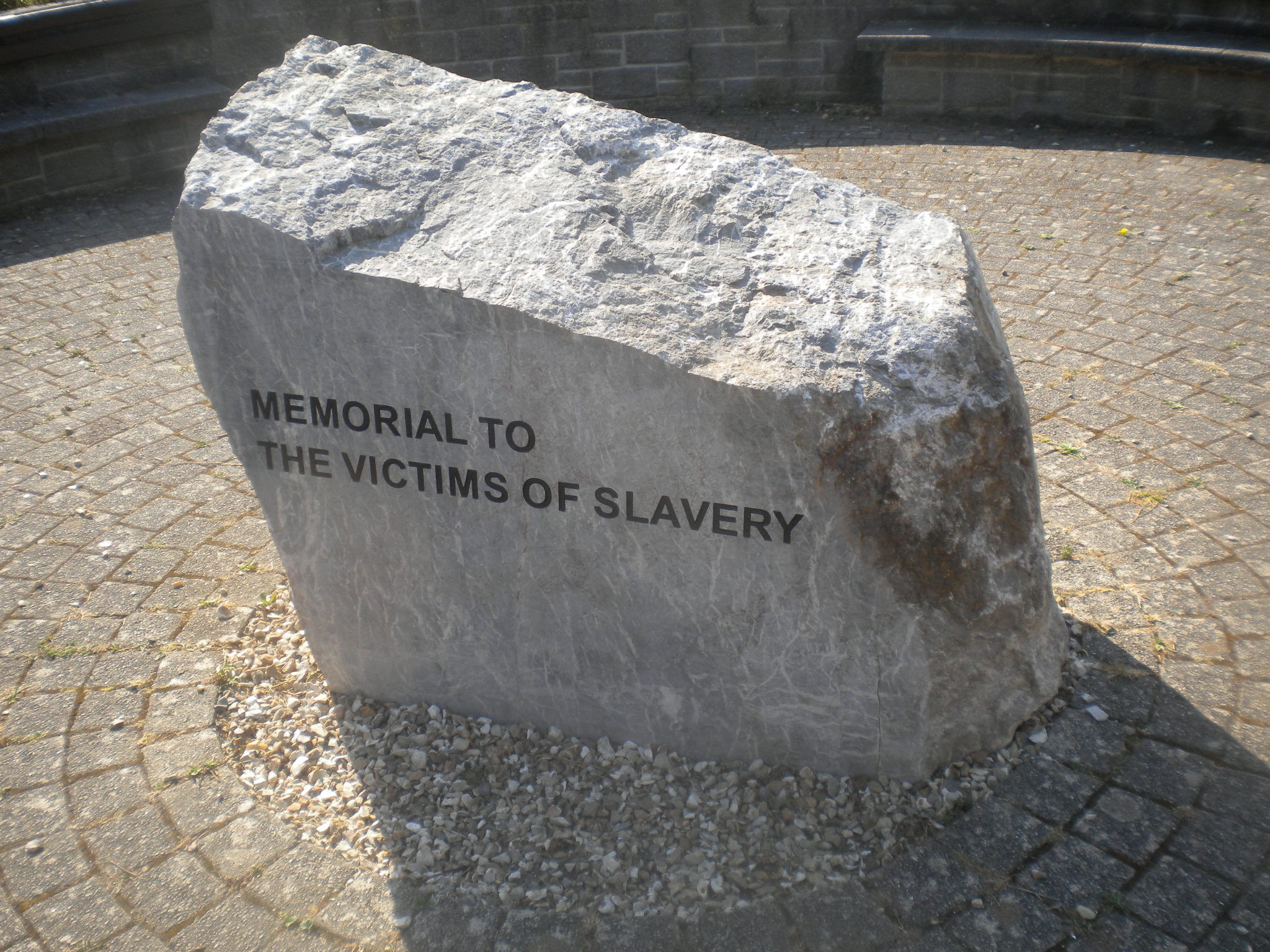


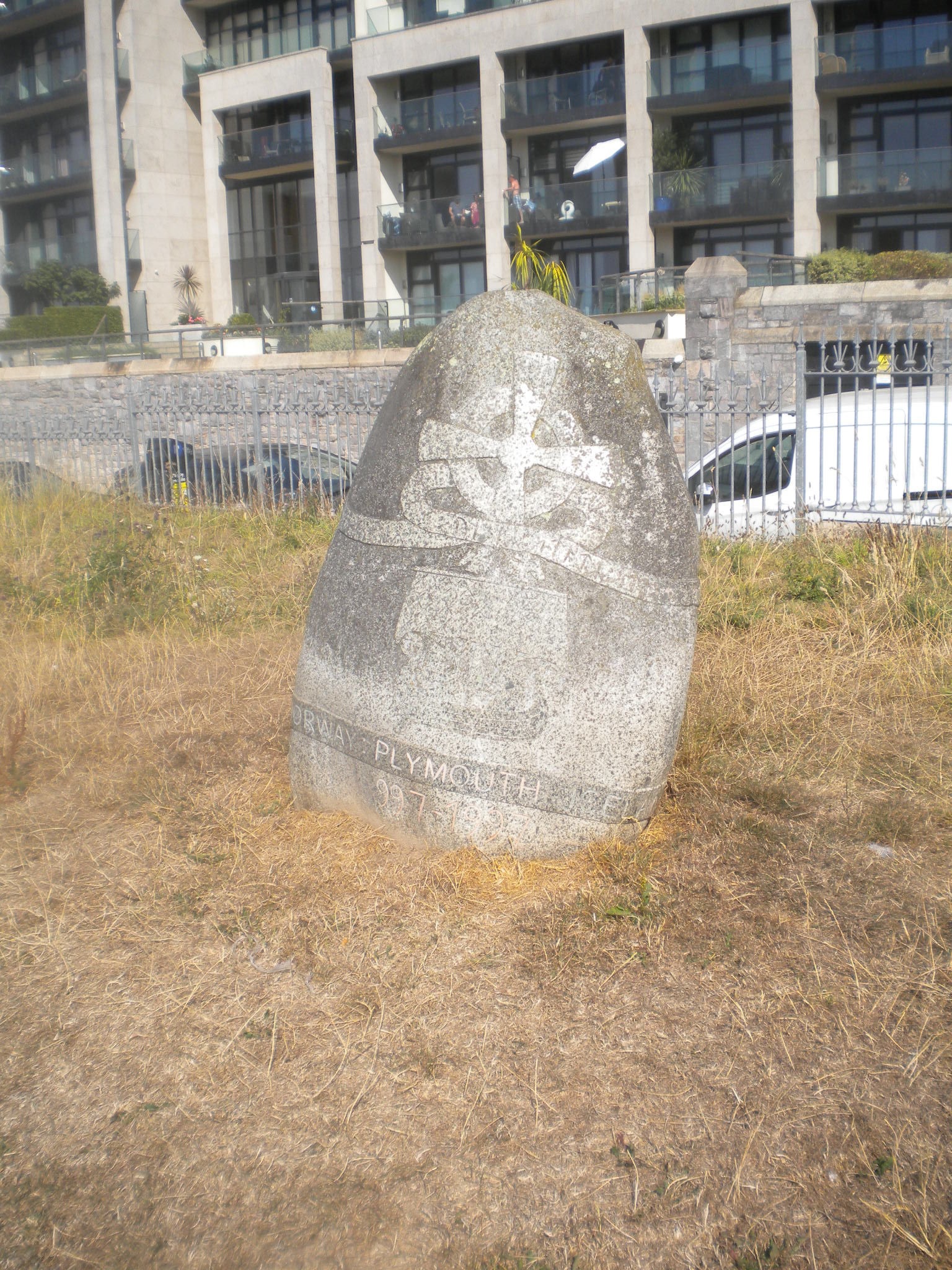
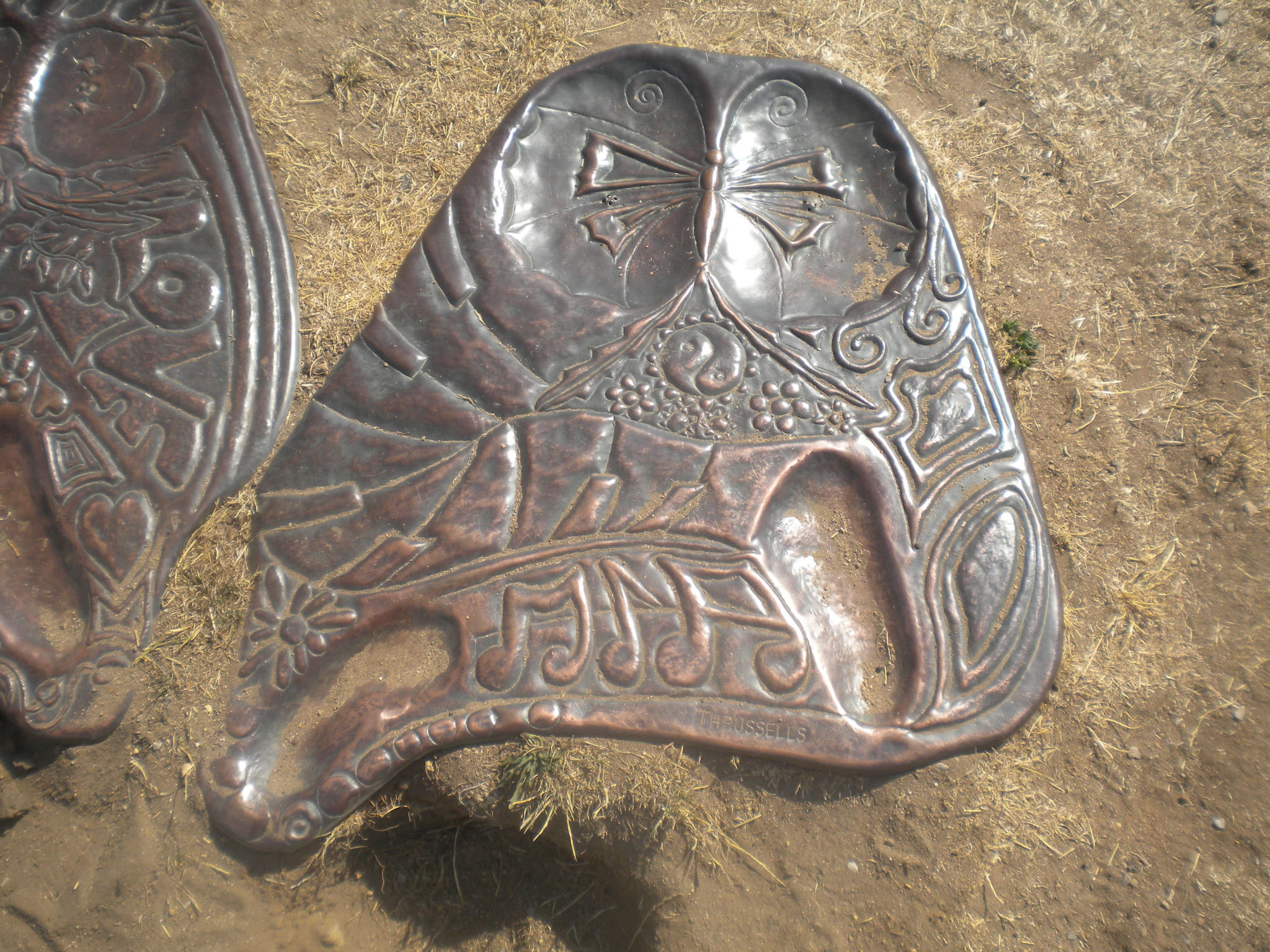
The first artwork is the Viking Stone, commemorating the 1000th anniversary of the last Viking raid up the Tamar, in 997. The other is "Batle Bums. The Beatles sat here in 1968. The artwork shows an imaginary version of the marks of their bums, legs and hands.




© Jo Edkins 2023