
Plymouth WaterfrontClick on a photo for a large version. |
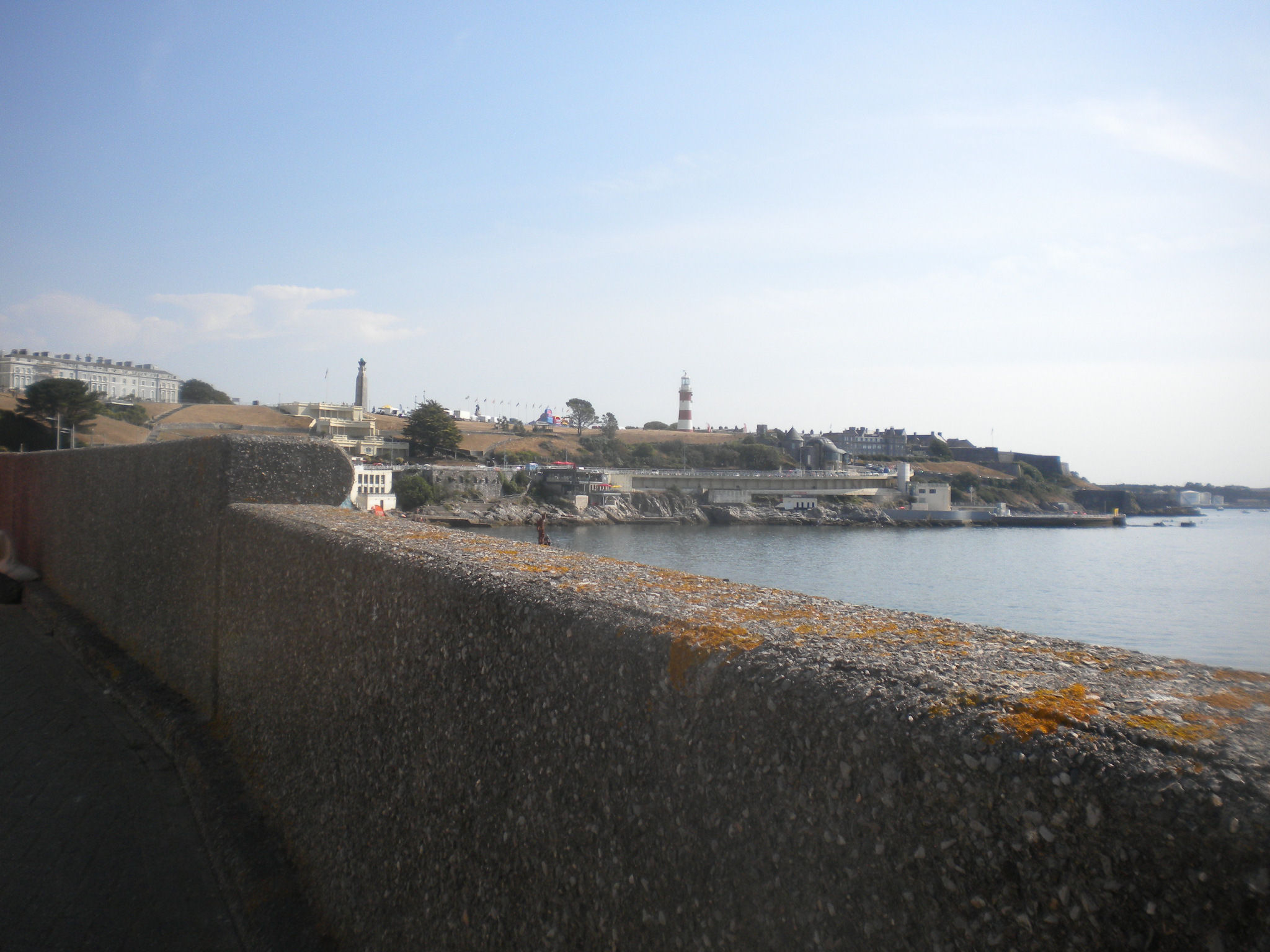
The Hoe looks close to the sea on maps, but in fact it is on a cliff. There is a road closer to the sea (although not at sea level), and this is what this page is showing.
Start at Great Western Road, east of the mouth of Milbay docks. Take a path between a terrace of houses and the sea.


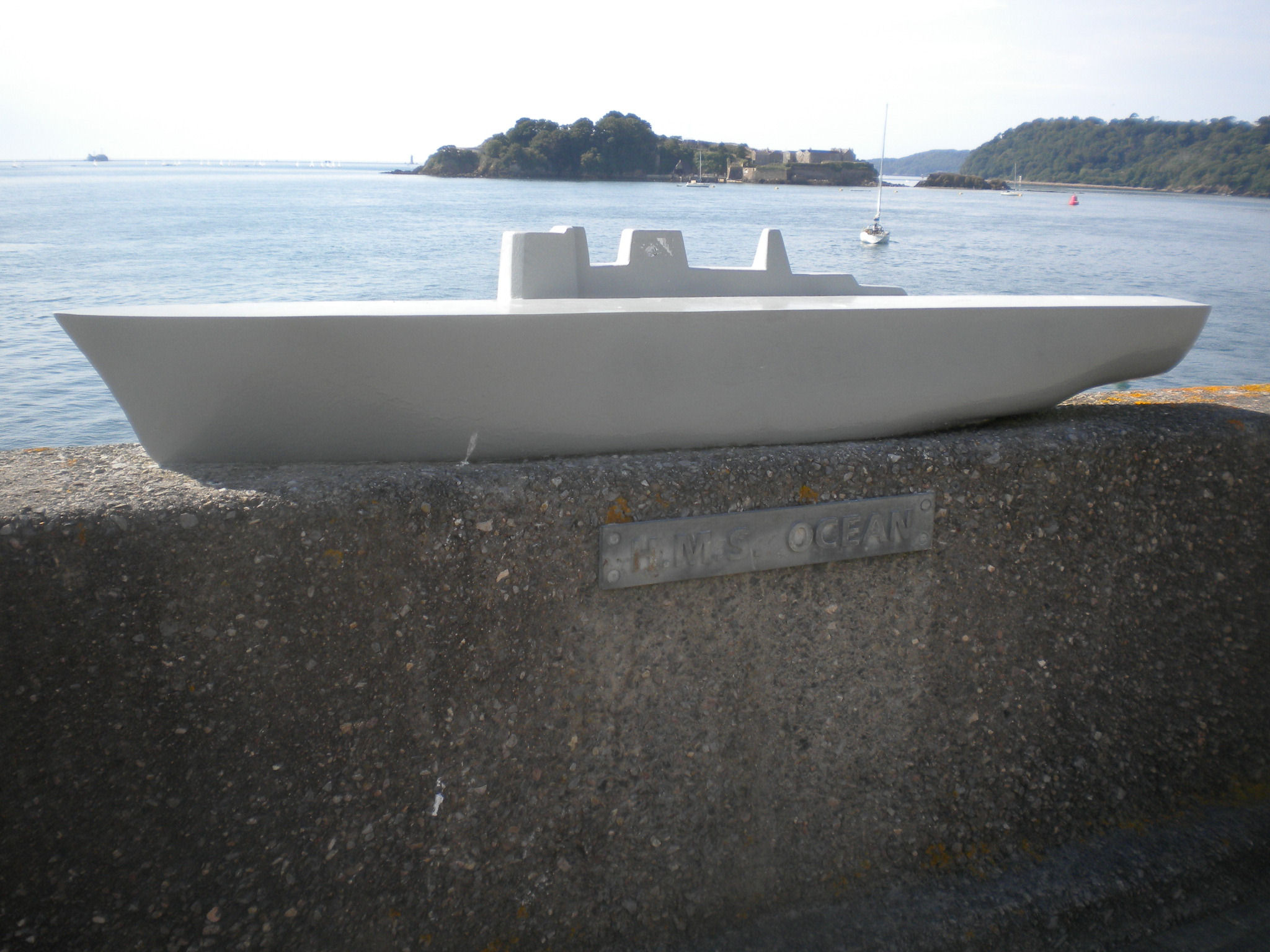
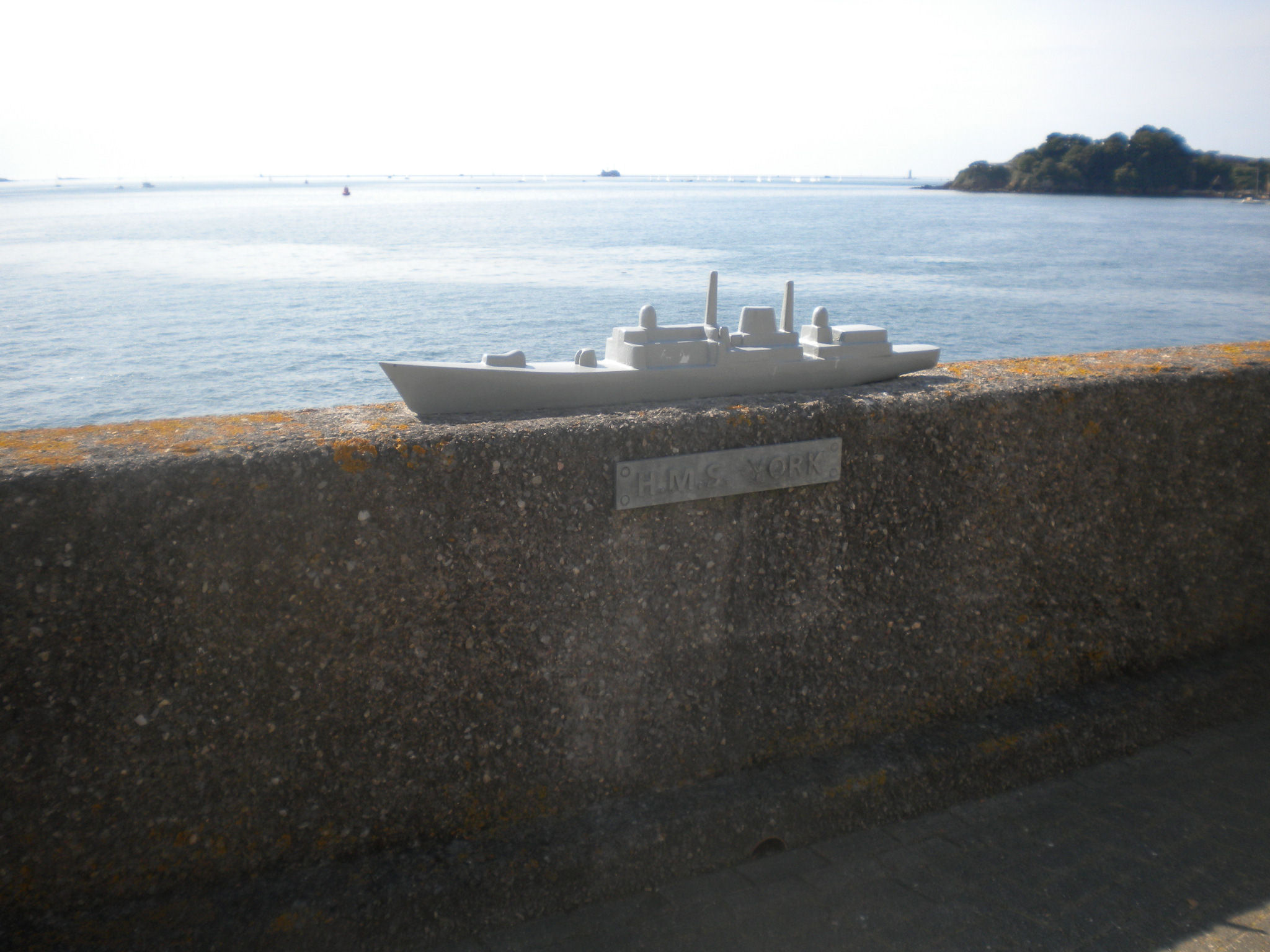
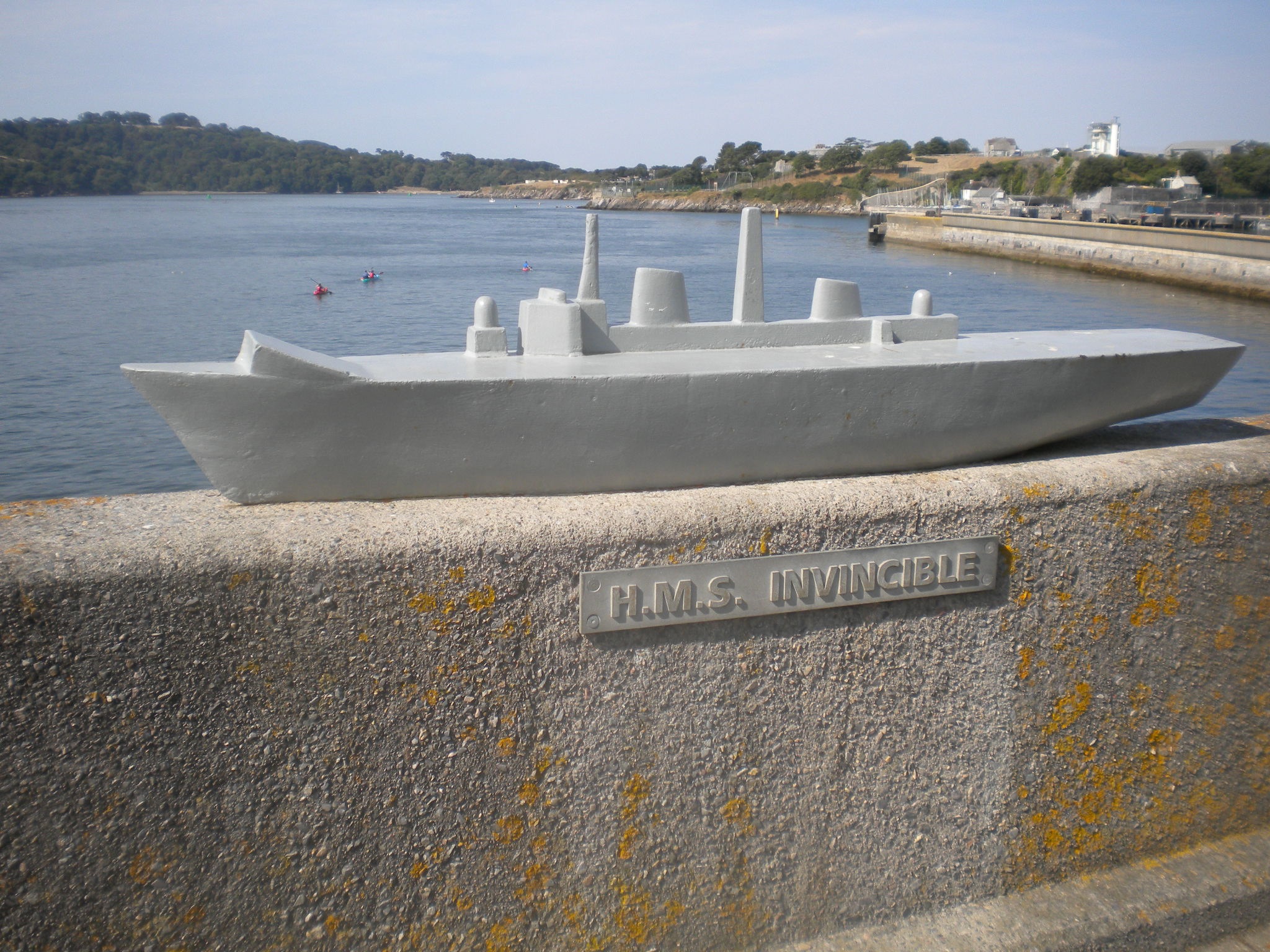
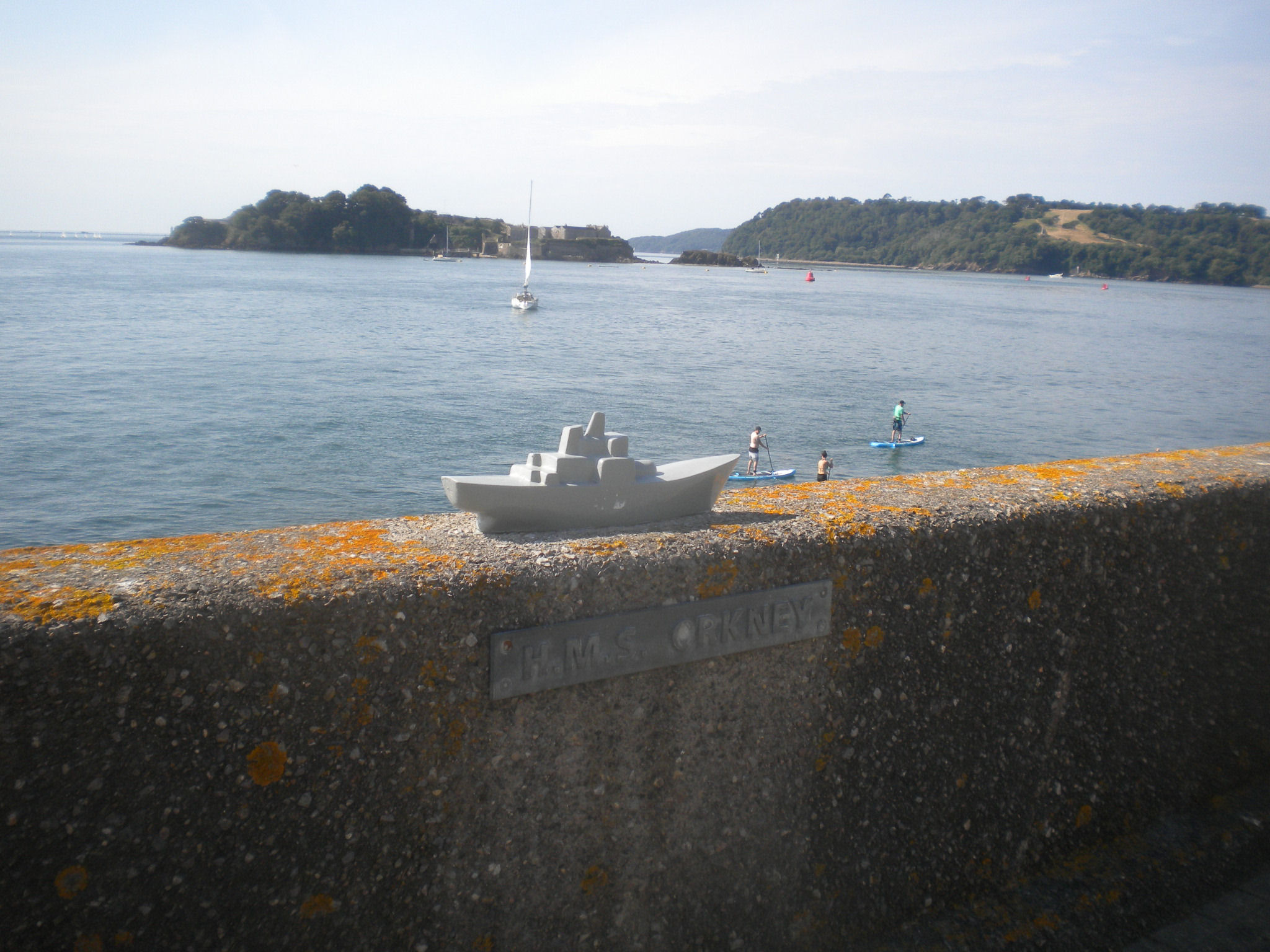
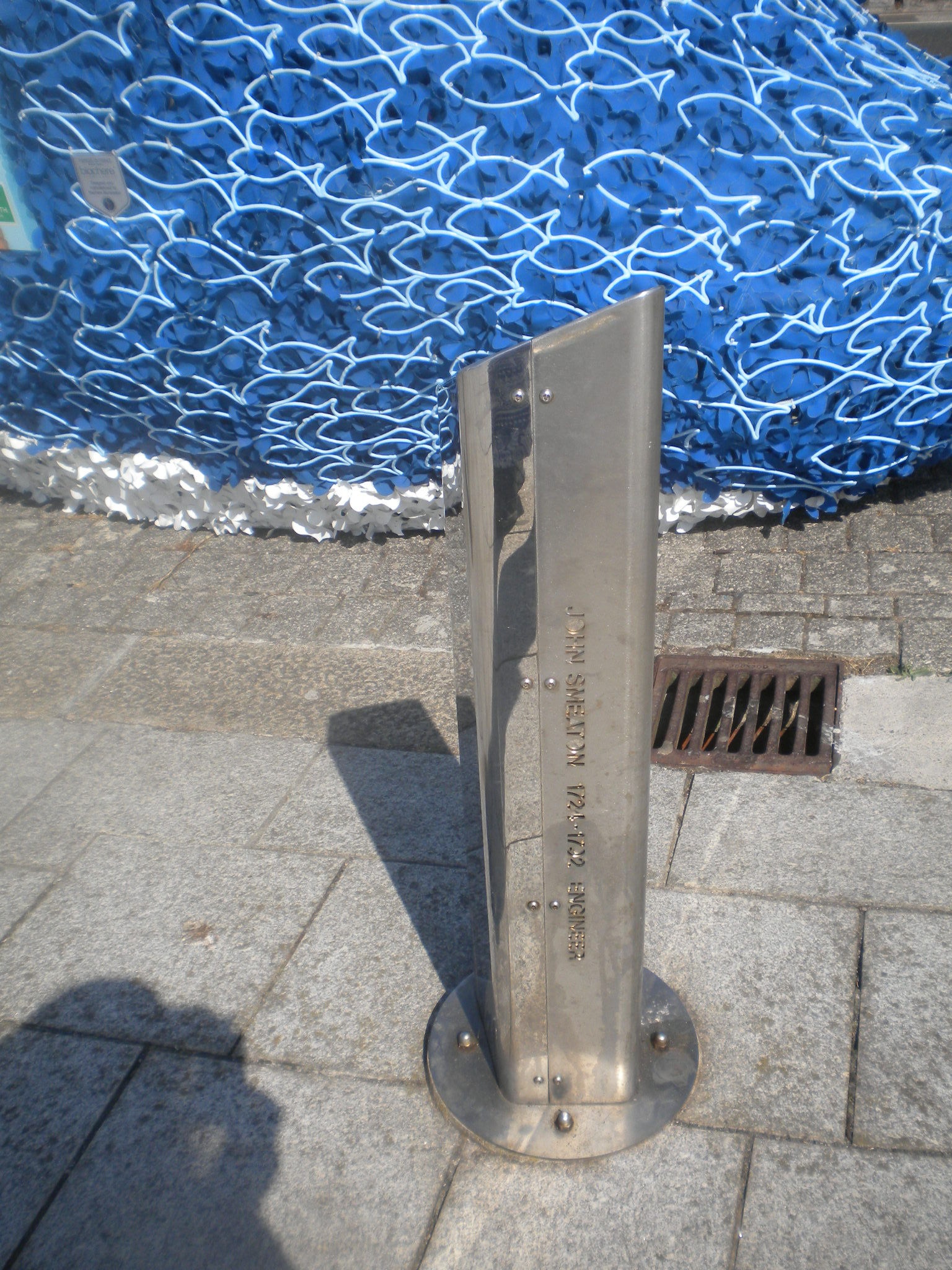
Along the wall here you’ll see representations of some of the Royal Navy’s ships and submarines.




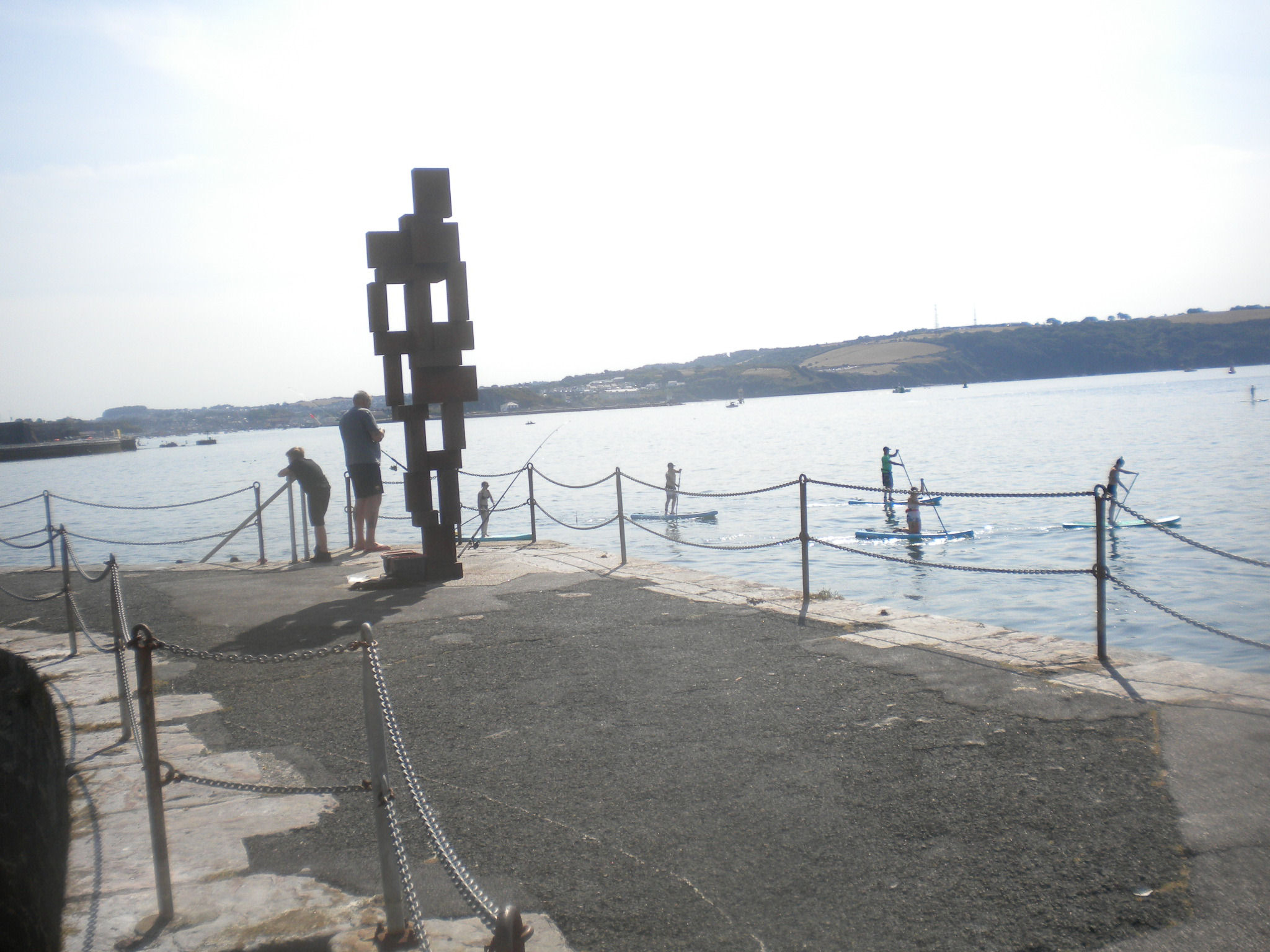
This is the site in Plymouth where Sir Francis Chichester landed in 1967 as the first and fastest person to sail single-handed around the world by the clipper route in the Gipsy Moth. The statue is LOOK II by Antony Gormley, installed to commemorate Mayflower 400. Its nickname is Rusty Reg.
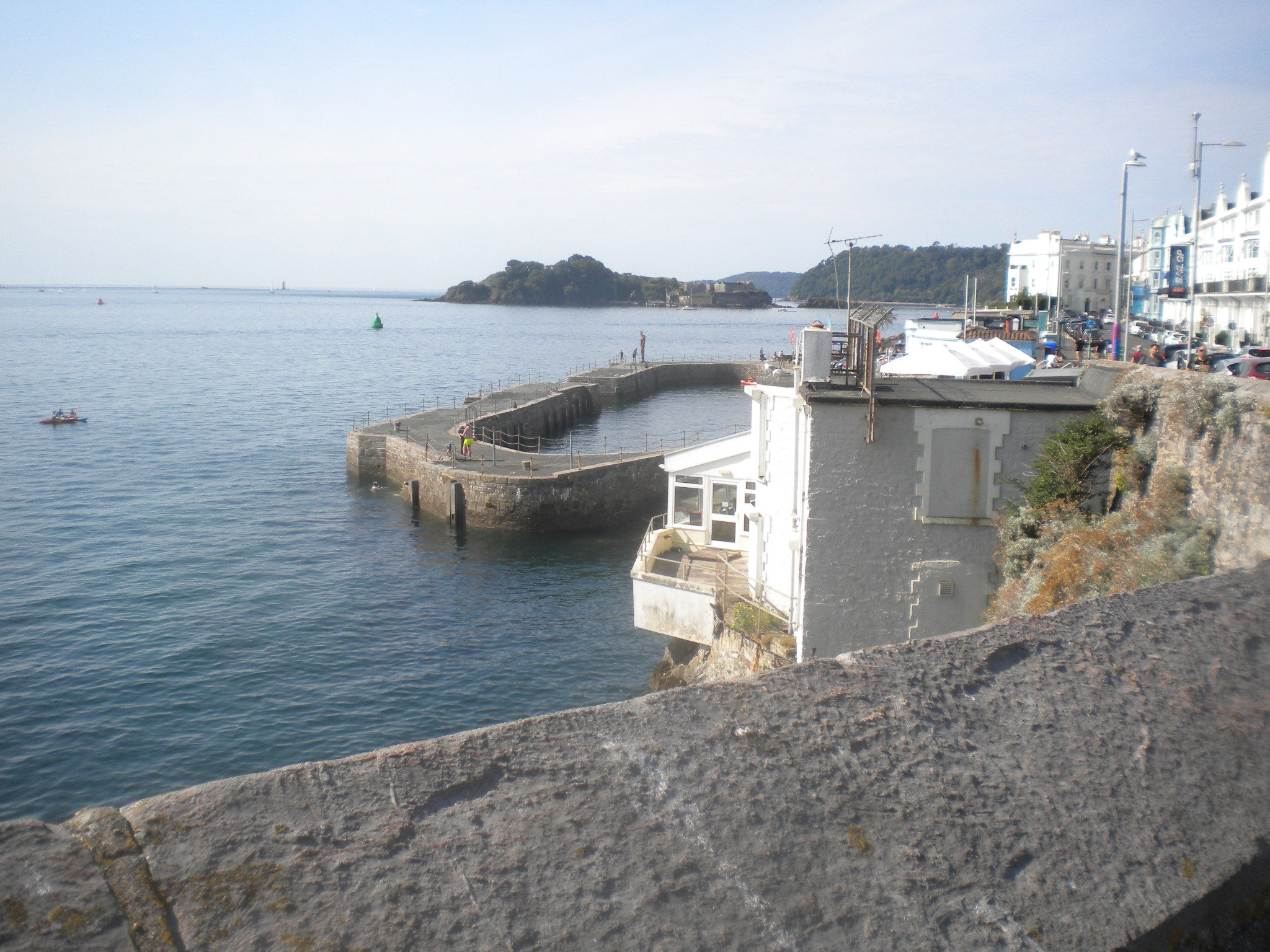



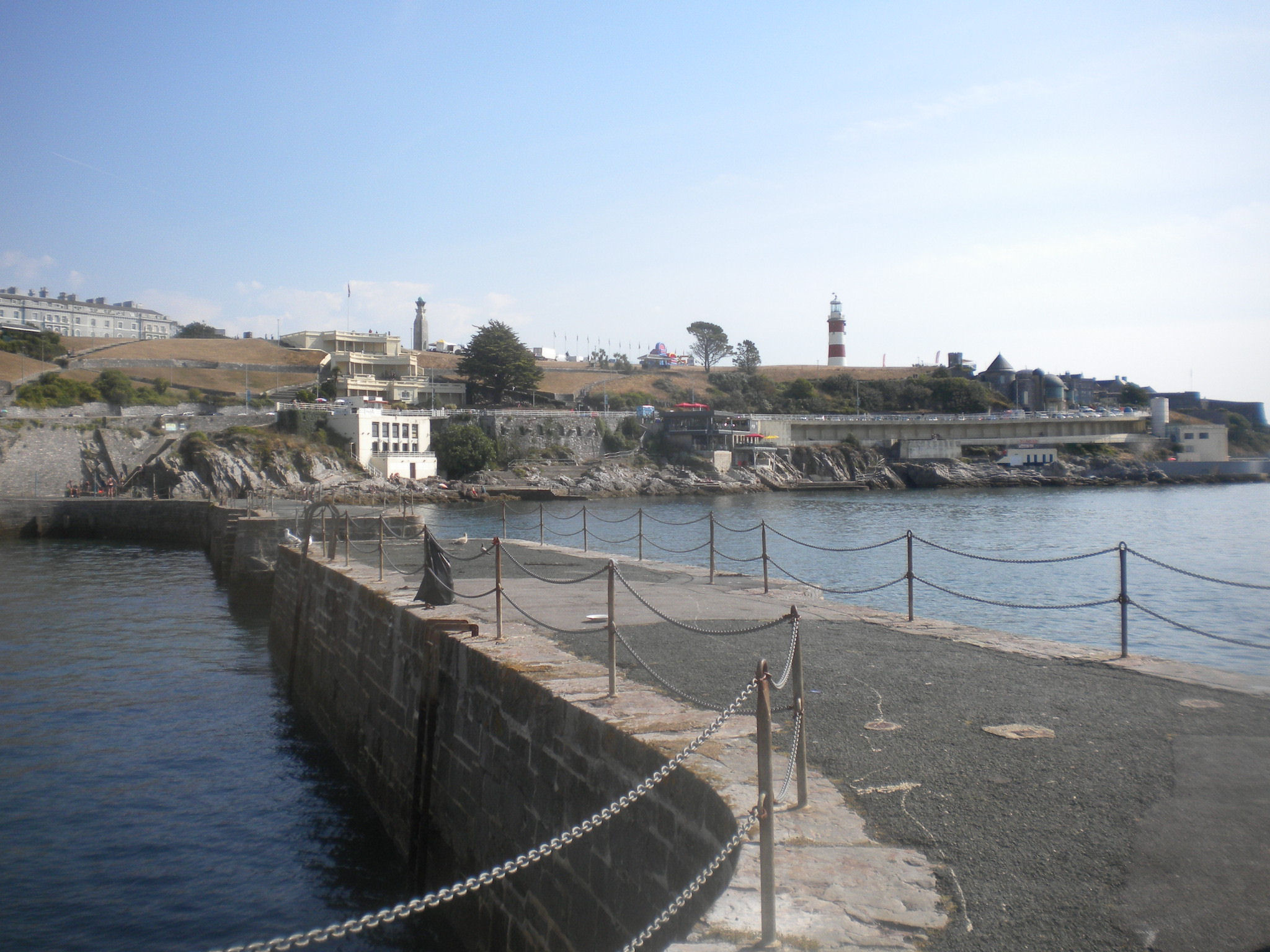

This was built in 1891 on a viewpoint. It is a terraced building designed in classical style on 3 levels each with an open colonnaded front.

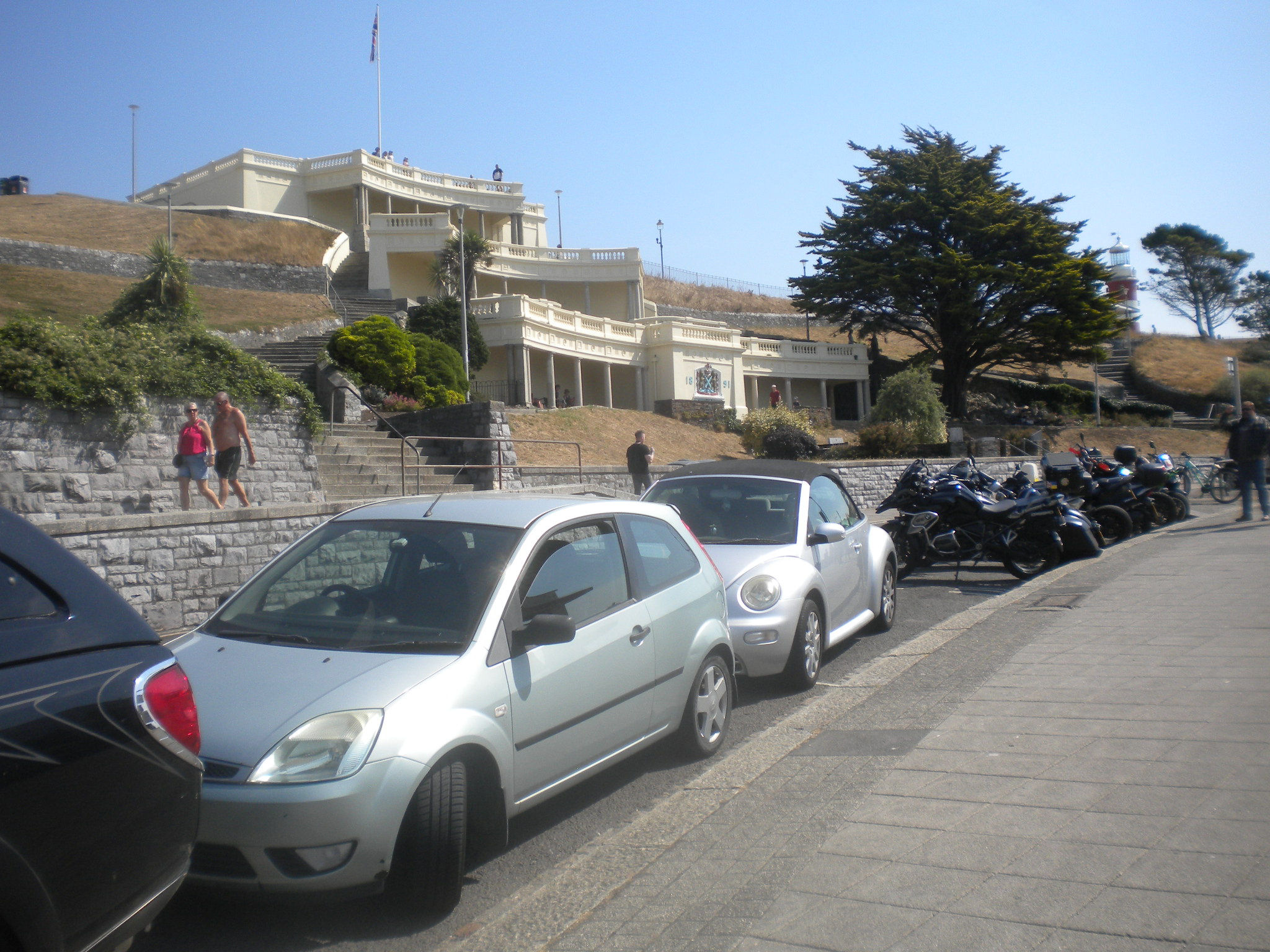
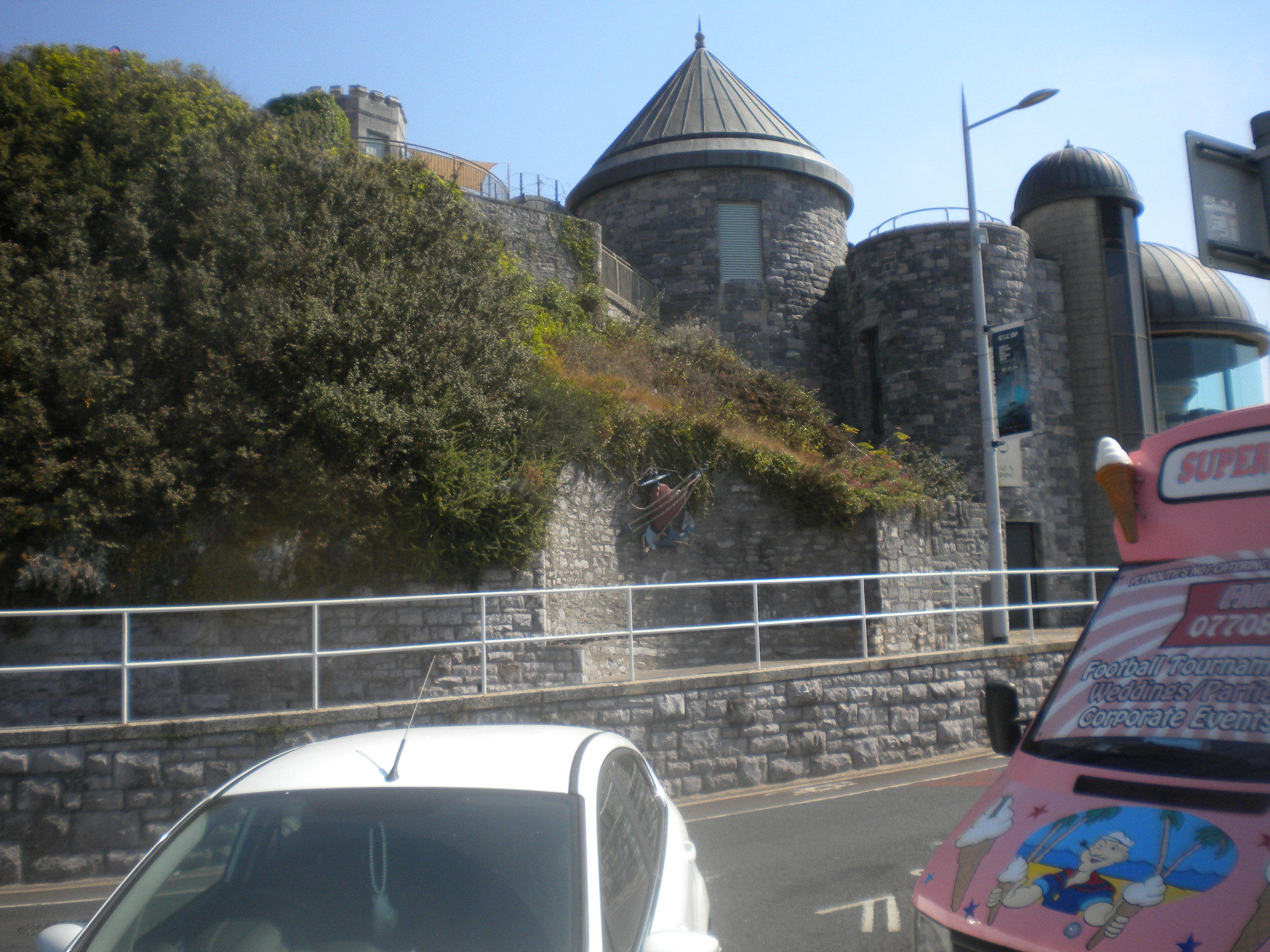
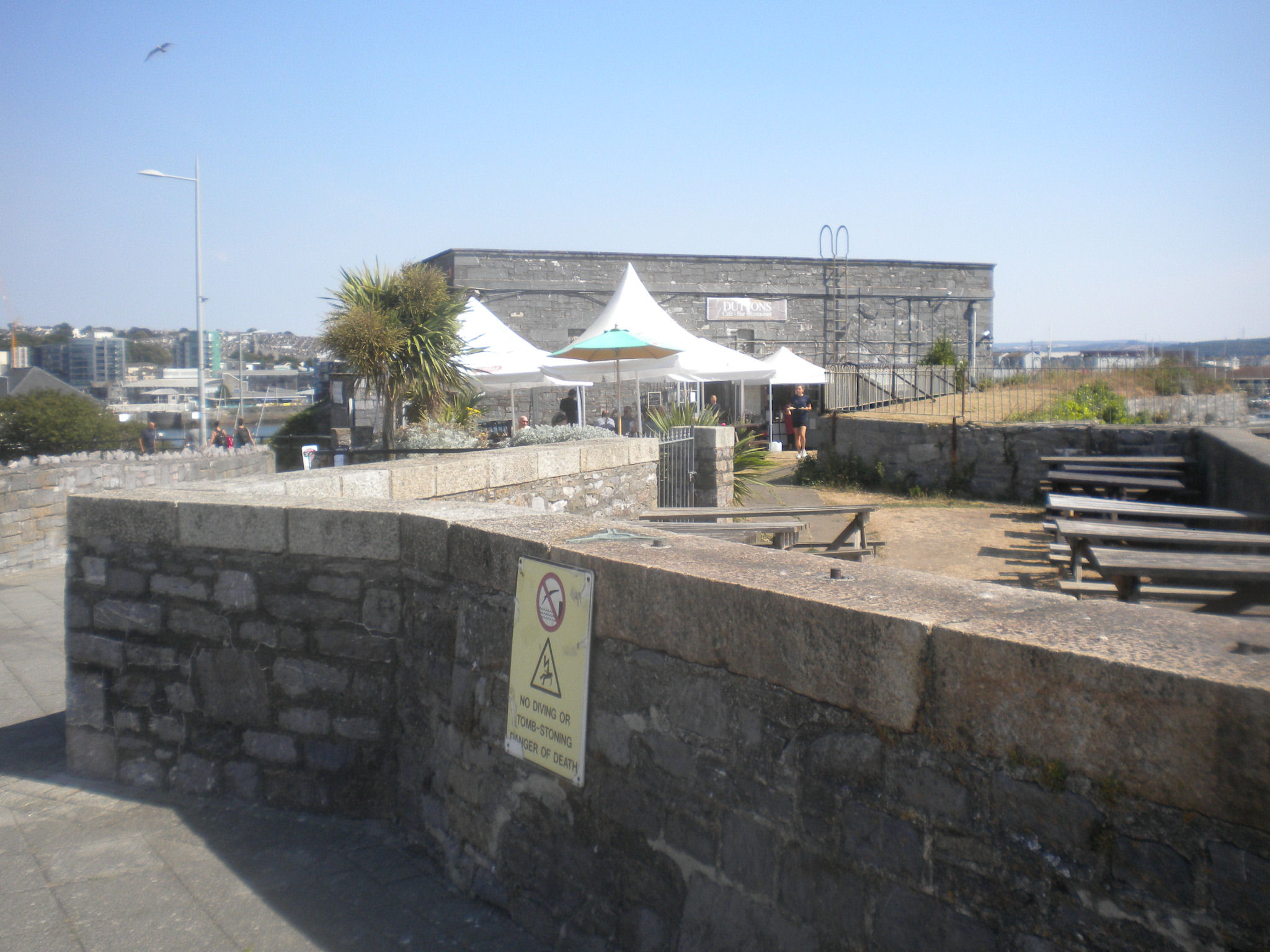
Plymouth Dome was built in 1988, when Plymouth celebrated the 400th anniversary of the defeat of the Spanish Armada. It closed almost 20 years later. It is now a restaurant. Tinside Lido was built in 1935. It was designed by J Wibberley, the borough engineer, in an art deco style.




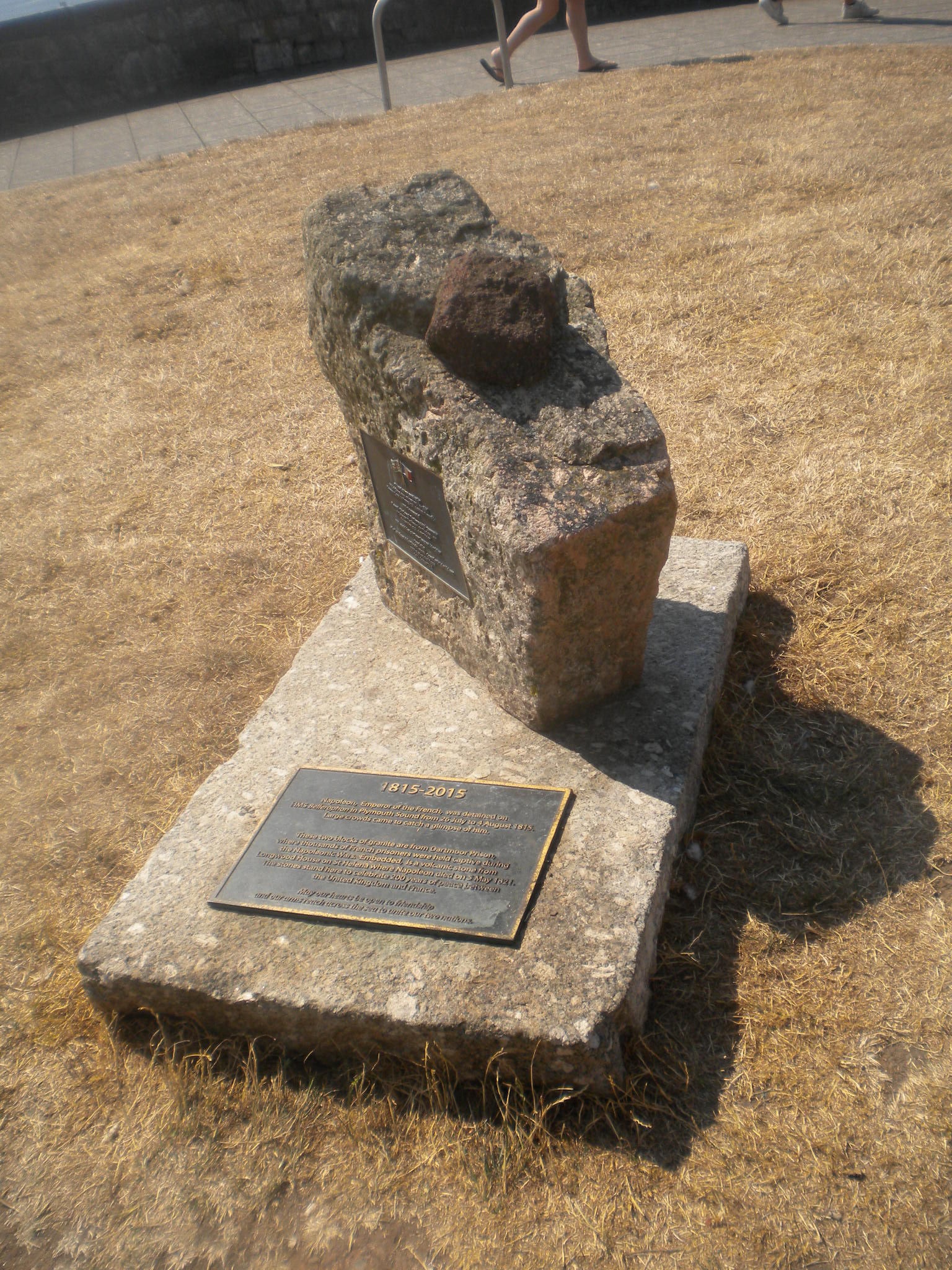
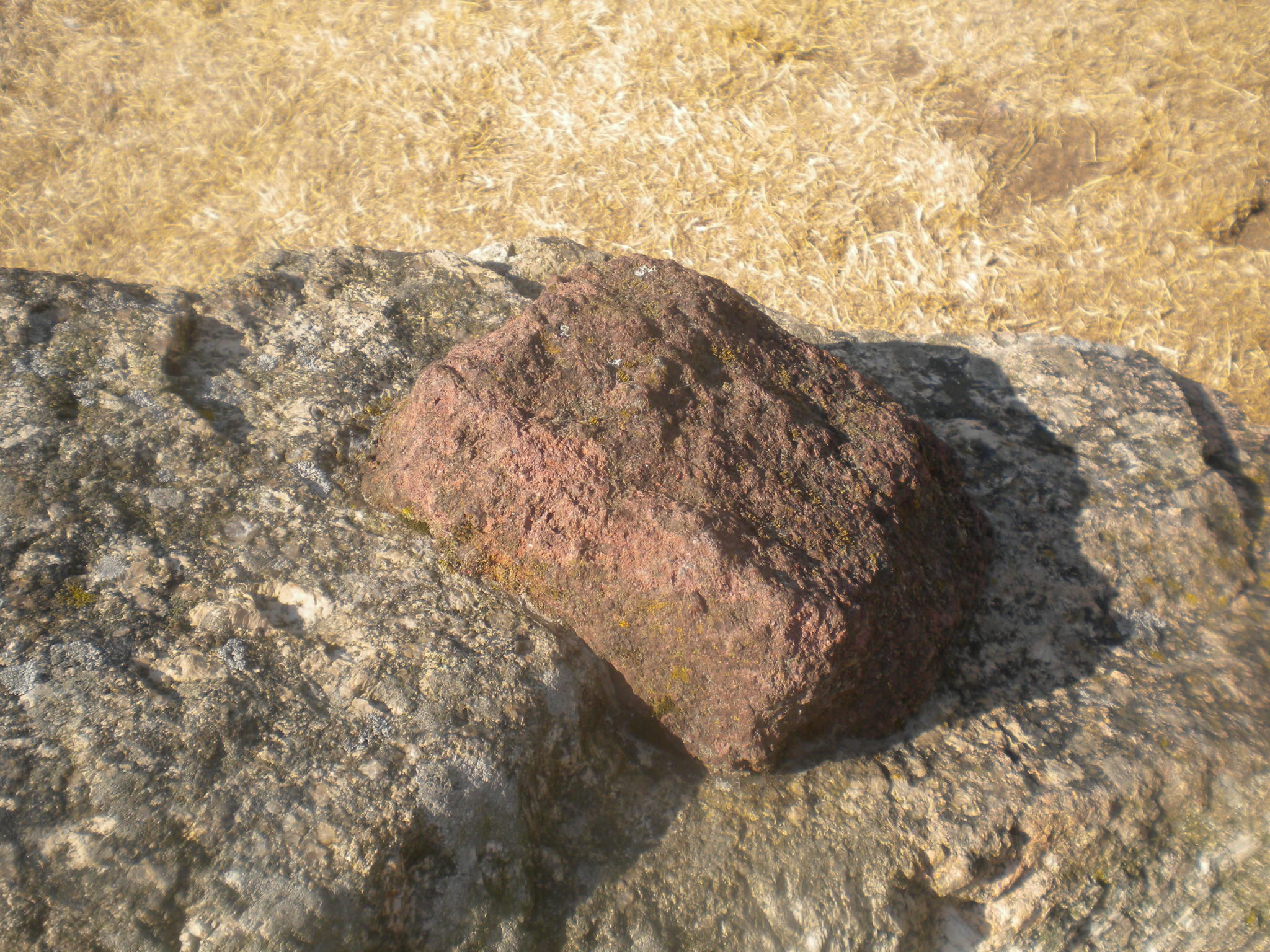
Two small stones fitted together commemorate Plymouth's role in ending the Napoleonic Wars. Napoleon Bonaparte spent 10 days in captivity following his defeat at the Battle of Waterloo in 1815. The memorial was unveiled on October 16, 2015, precisely 200 years after Bonaparte's arrival at St Helena, the British tropical island where he spent the rest of his life in exile. A small piece of tuff from his house there was donated in 2014 to be included in the memorial. It was transported 4,600 miles from St Helena to Plymouth by the French Navy. It was then embedded into a slab of granite from Dartmoor to complete the memorial. It is on Madeira Road, outside the Citidel.



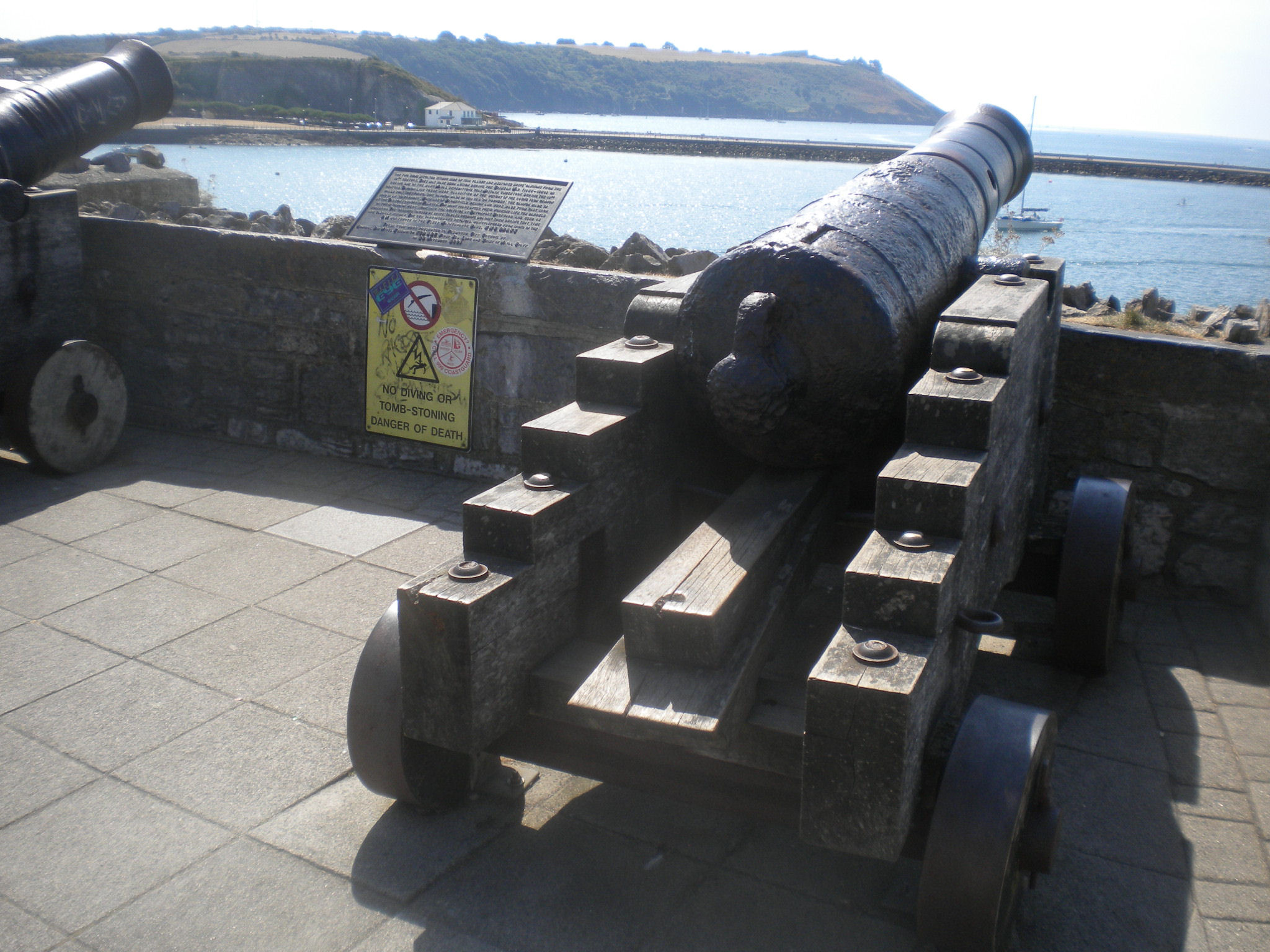
Henry VIII blockhouse.
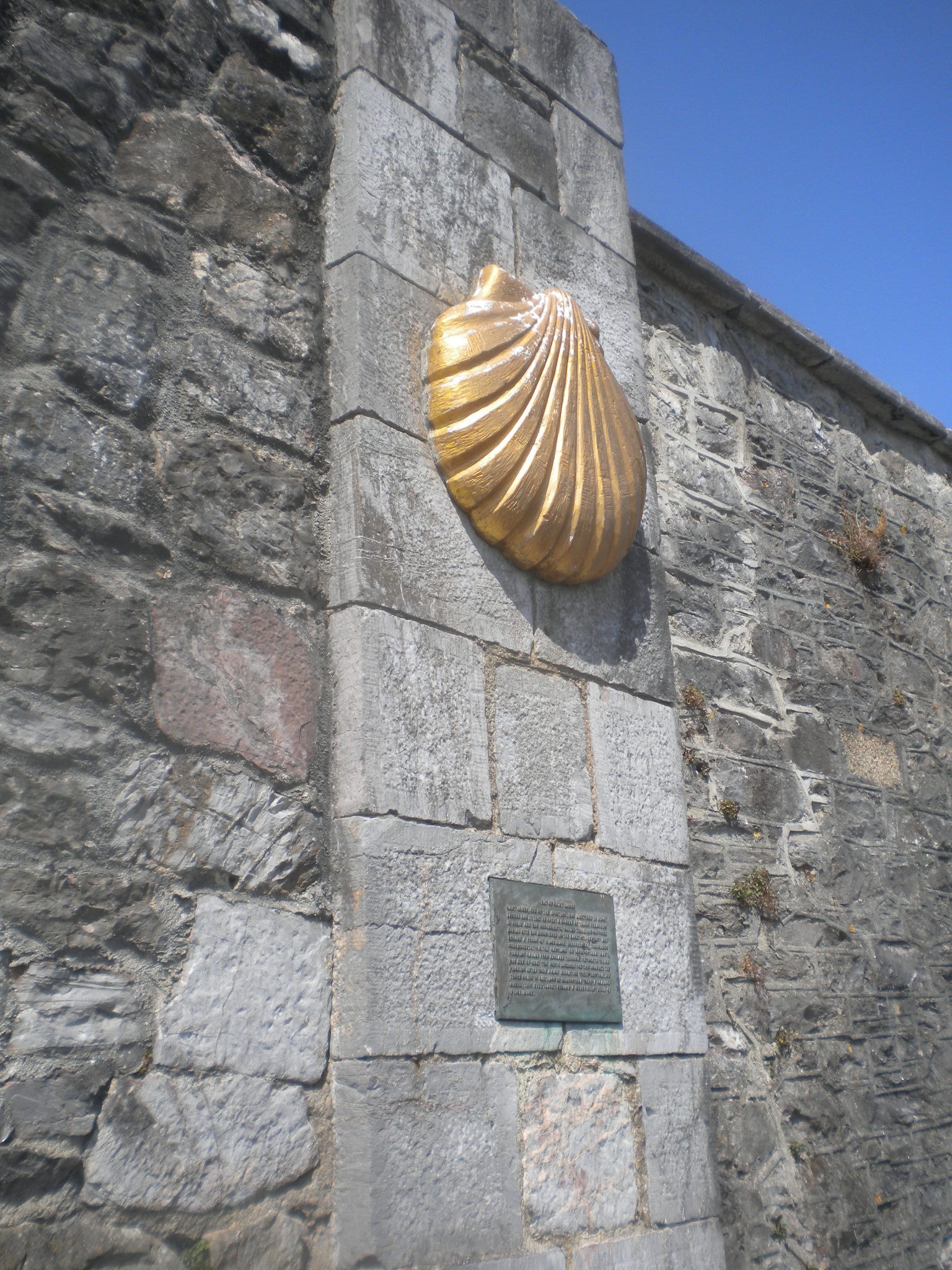
The solar eclpse of 1999 could be seen from PLymouth (if it wasn't cloudy).




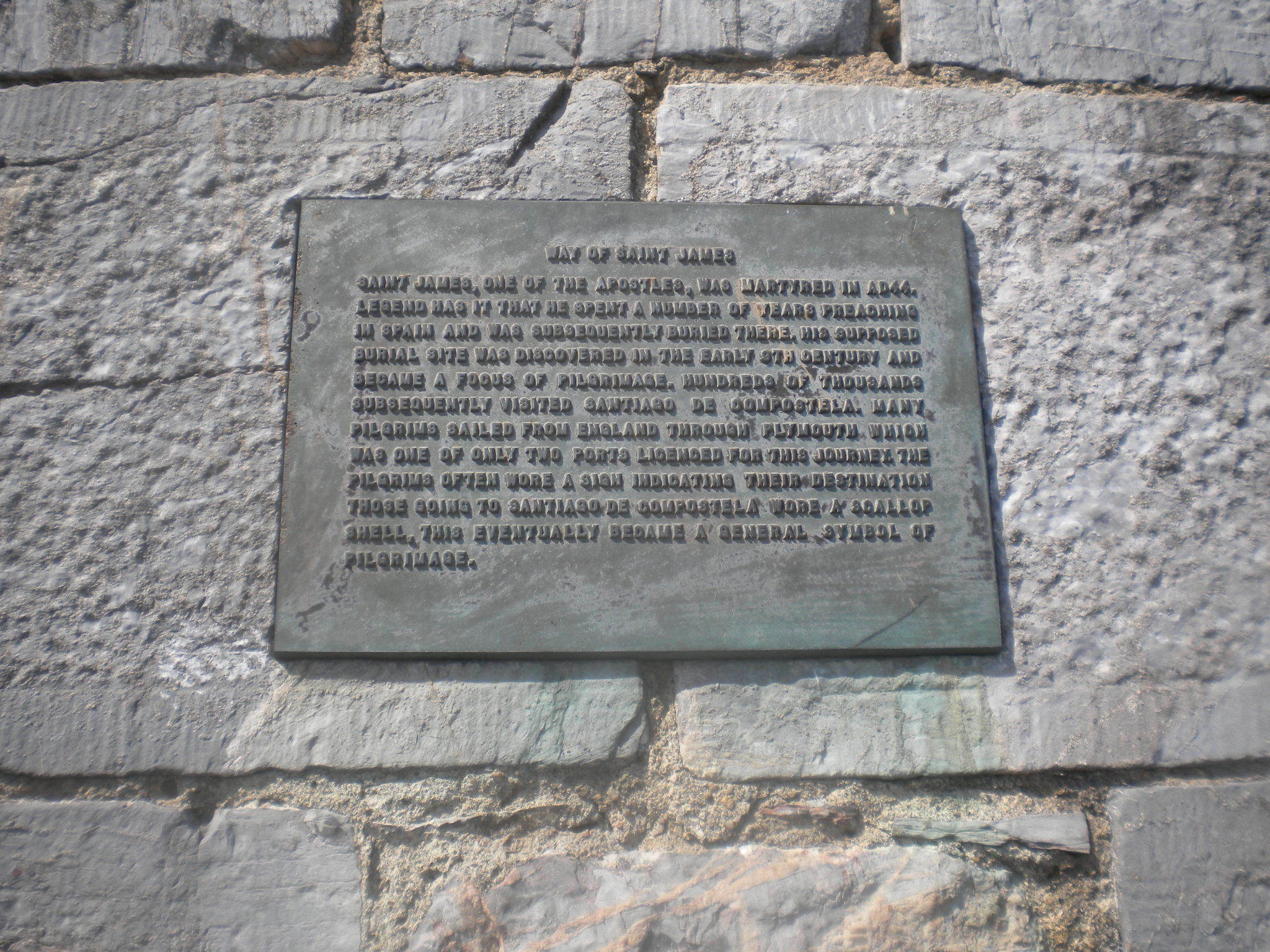

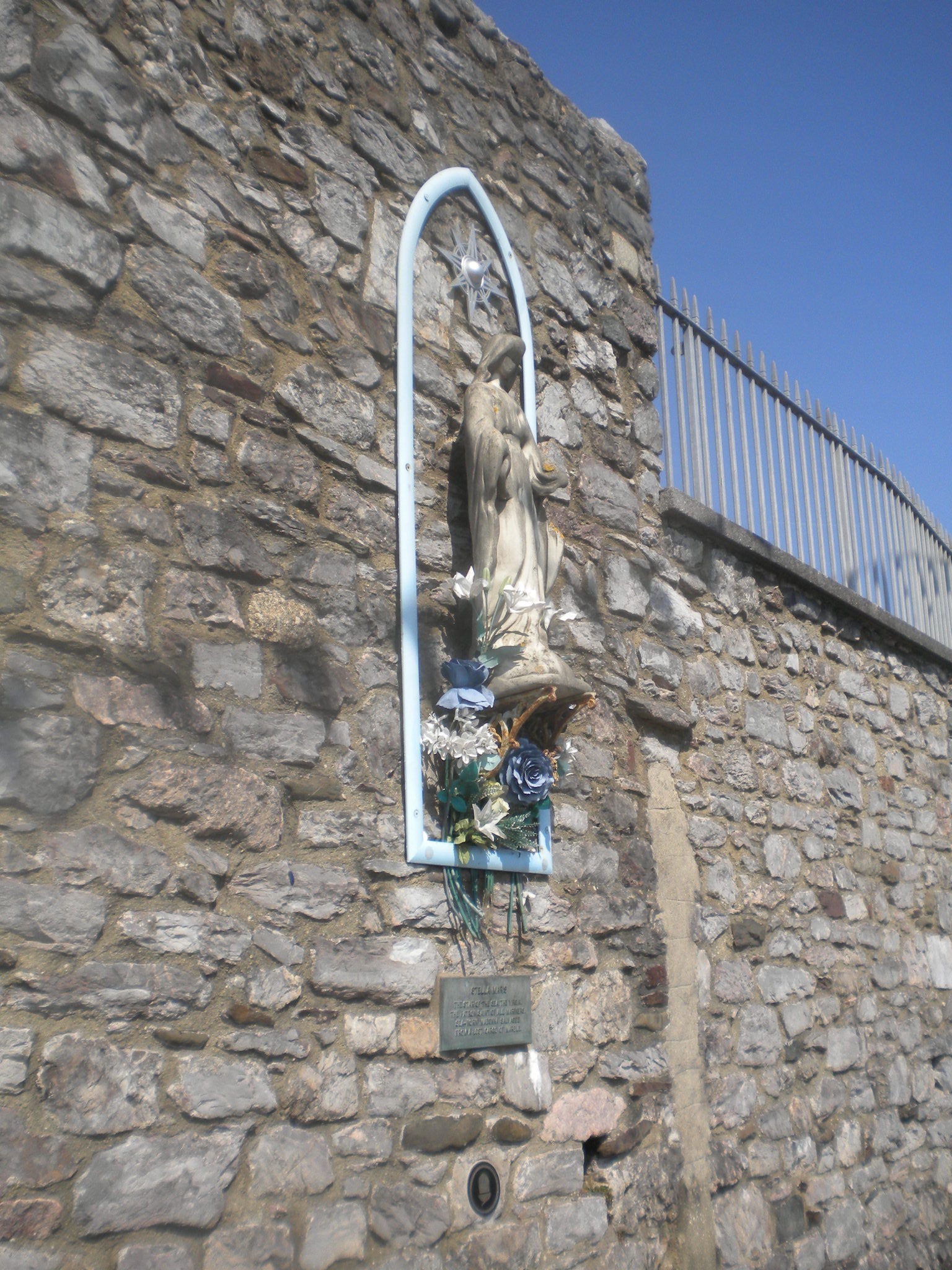


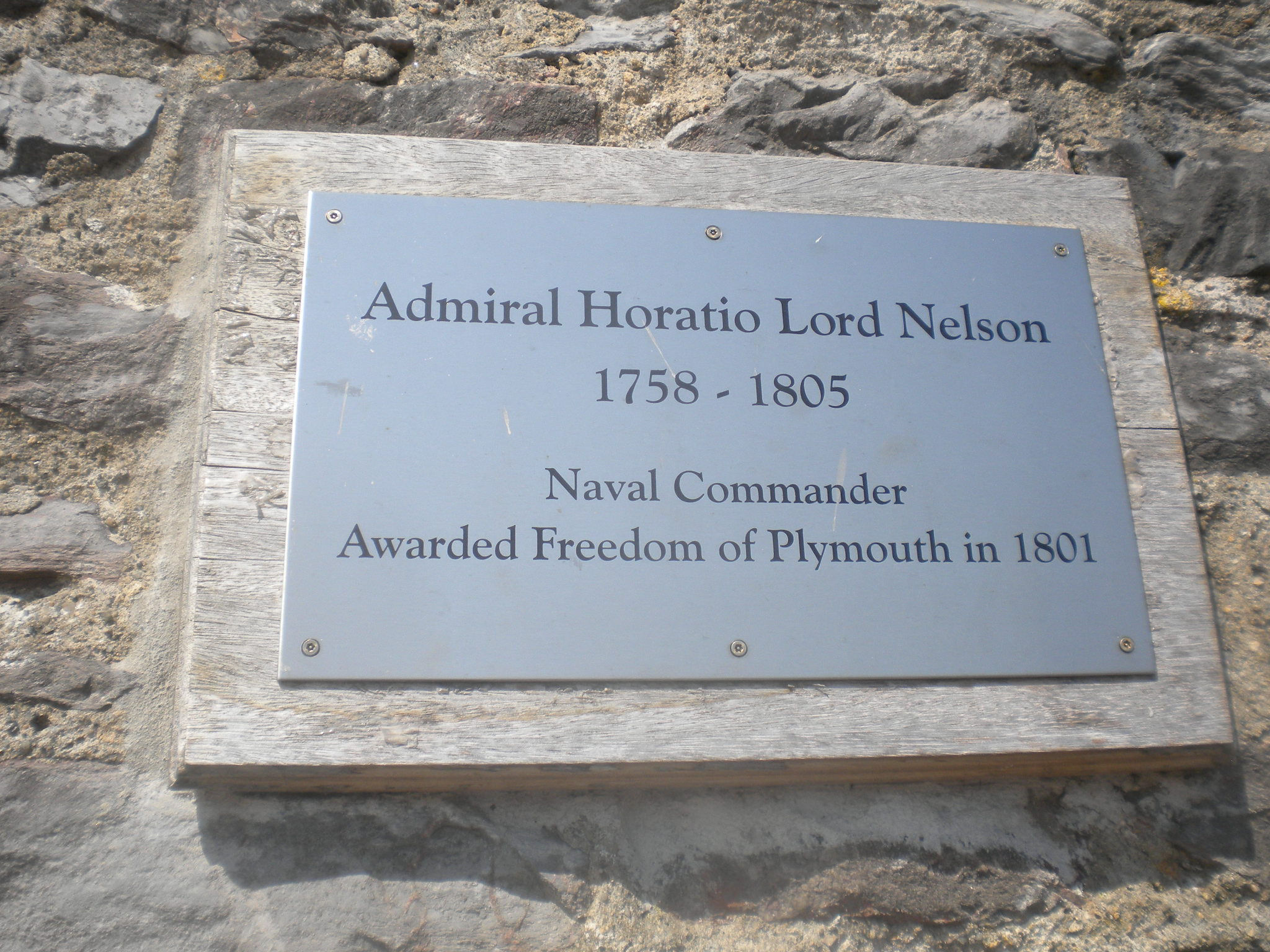
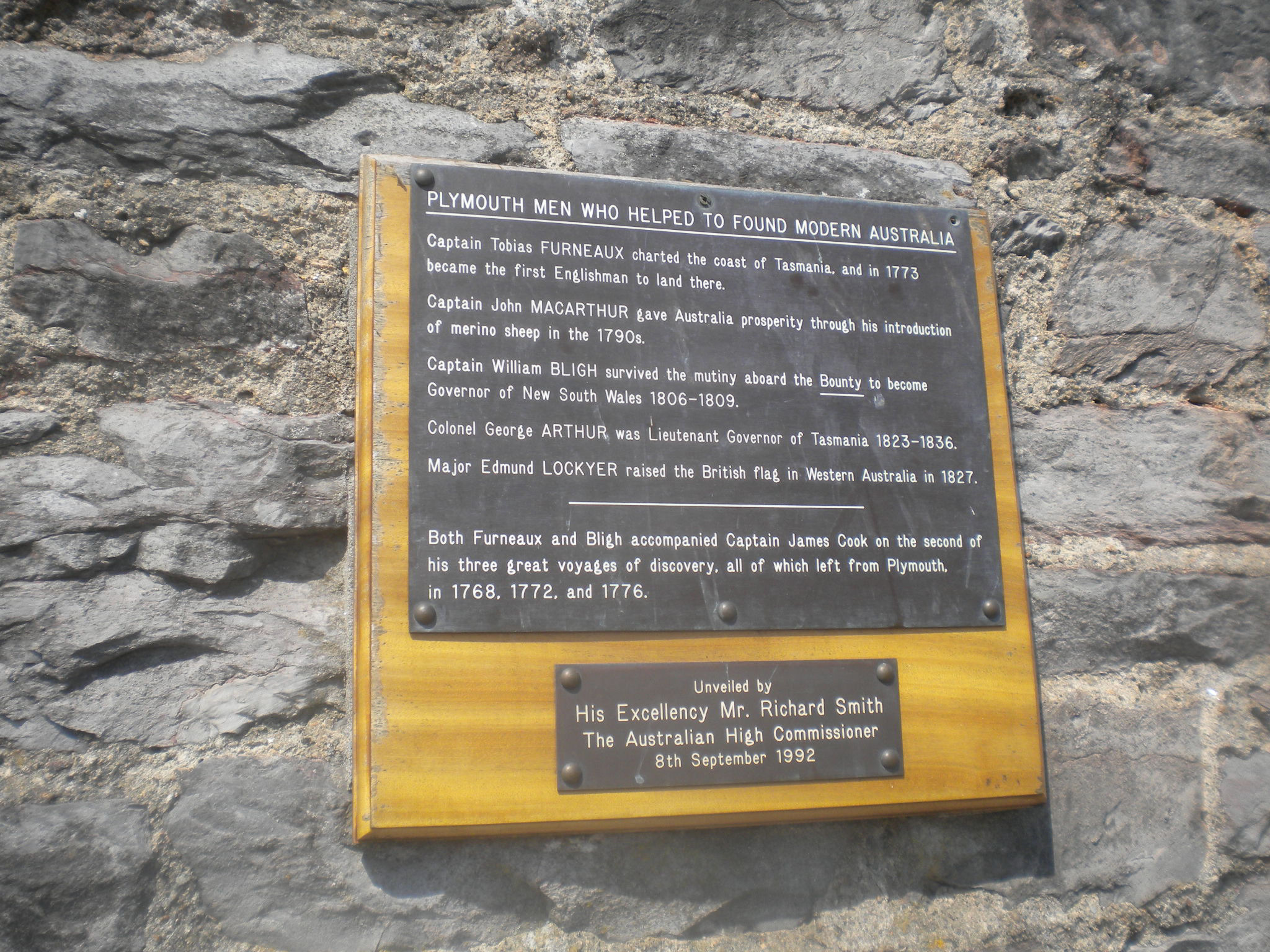


A tower and two lengths of walling forming part of Plymouth Castle. Wikipedia: A small section of the castle fabric survives in the Barbican area of Plymouth, located in Lambhay Street, at the head of a flight of stairs leading down to the Mayflower Steps on the quayside. It is thought to be a section of an outer gatehouse called the "South Port". The remains consist of a short length of thick rubble wall 3 metres high, with a central semicircular projection, the remains of a turret of the gatehouse. It is also difficult to find! It's set in a tiny patch of overgrown greenery.


© Jo Edkins 2023