
Other BuildingsClick on a photo for a large version. |
These are buildings which we saw from the outside only.
George Row, Northampton NN1 1DF
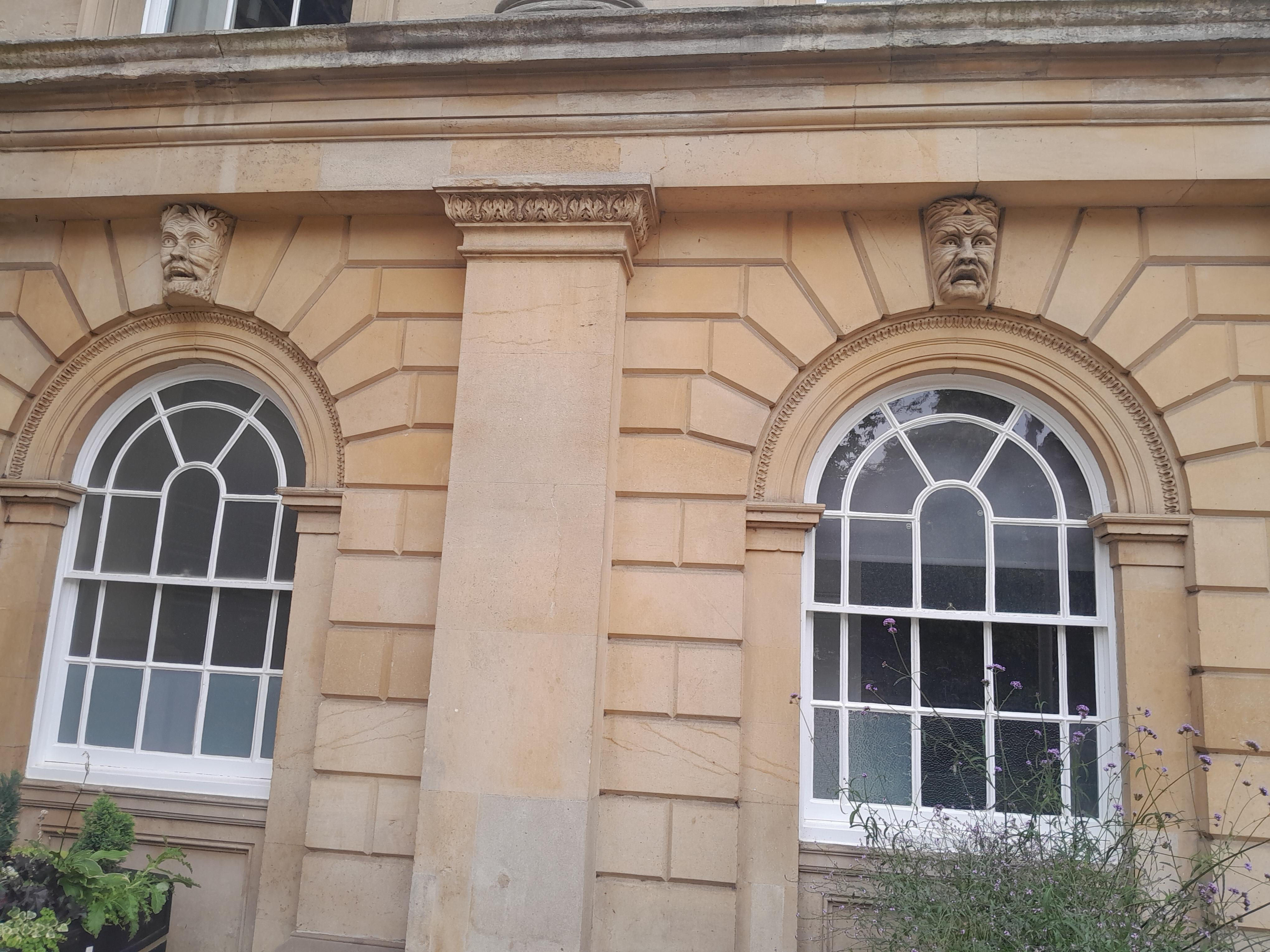
The gaol was destroyed in the Great Fire of Northampton in September 1675 and the Sessions House, which was designed by Henry Bell of King's Lynn in the Renaissance style using a plan by Sir Roger Norwich, became one of the first facilities built after the Great Fire when it was completed in 1678.
We were told that Northampton Museum used to be the gaol - that presumably was later. I liked the faces above the windows.

4-5 St Giles Square, Town Centre, Northampton, NN1 1DA
Pub serving Greene King. All Saints church is behind it.

George Row, Northampton NN1 1DF
Water feature. This was switched off on Monday. The second photo shows it on, later in the week. Northampton doesn't believe in Mondays. In the past, the shoemakers used to work, and get paid, on Sunday so they could go out in the evening. They took Monday off. It was called St Monday. There seems to be traces of this still. Museums are naturally closed on Monday, but the whole town seemed empty as well.
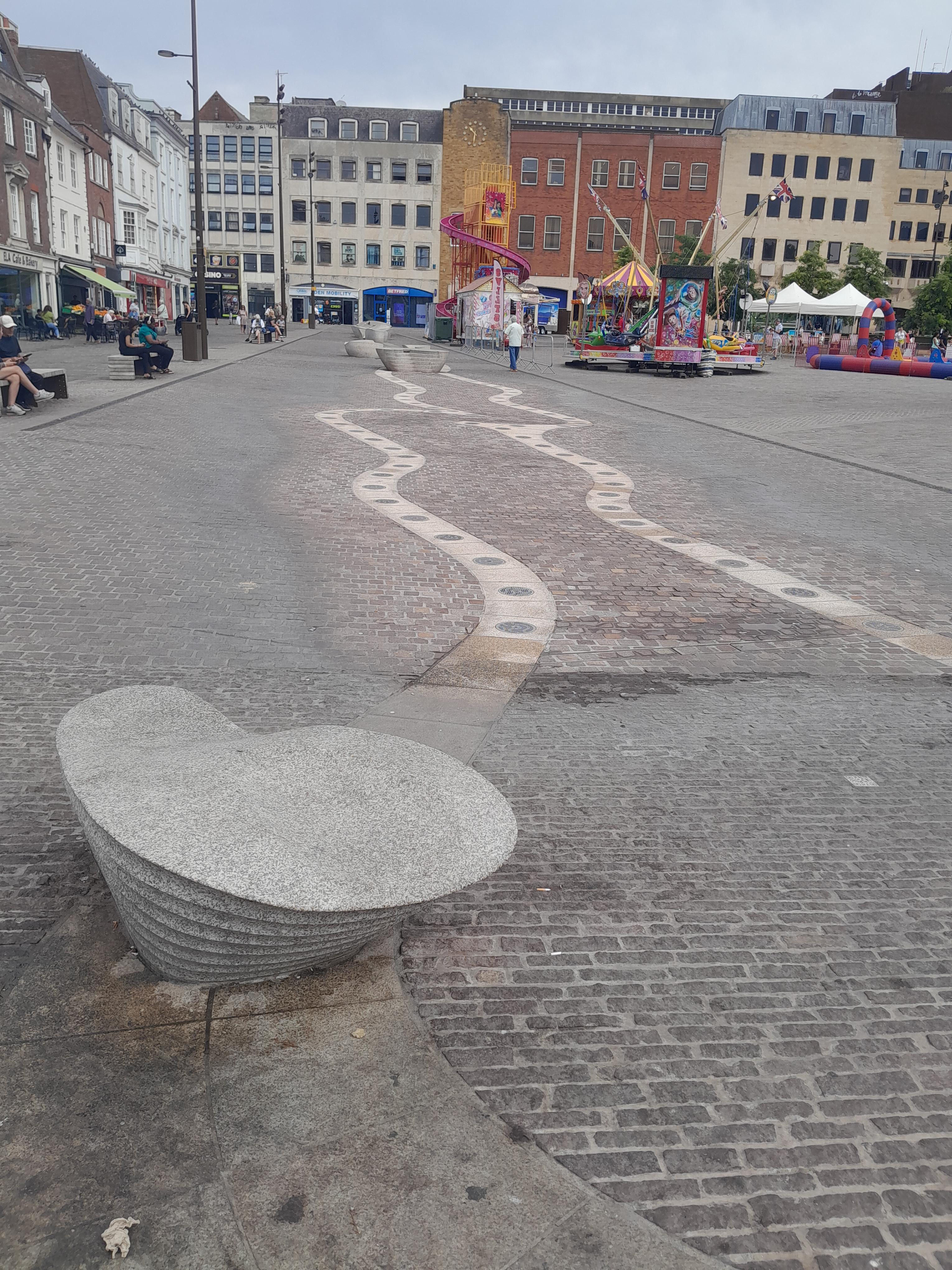

The market was busiest on Saturday, but as you can see, not that busy and not that many stalls.

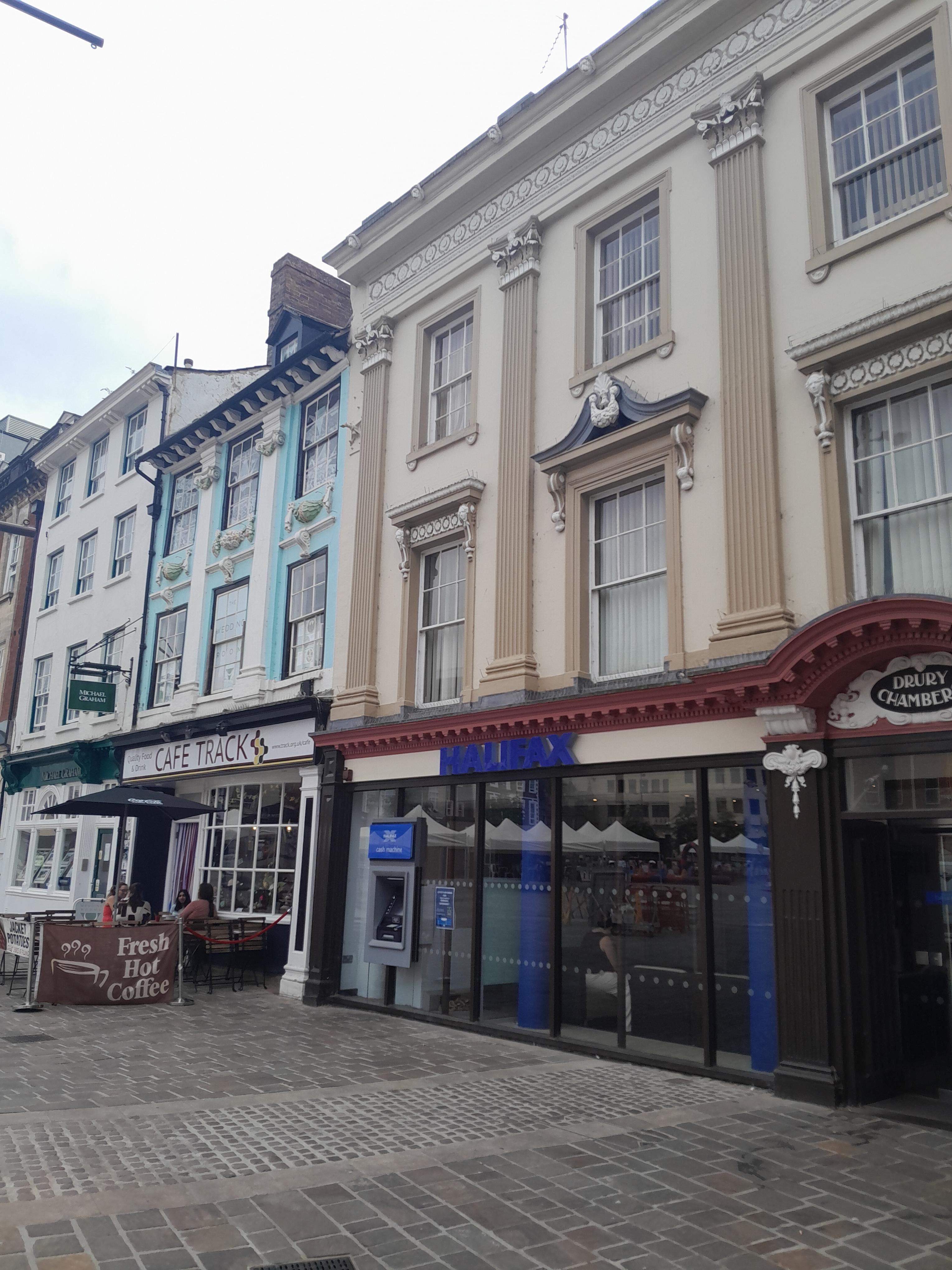
There are various Georgian and Victorian buildings in the market place.

This house survived the Great Fire of 1675 which burnt much of the centre of Northampton. The plaque admits that the front has been recently rebuilt. Click on photo for a larger version.
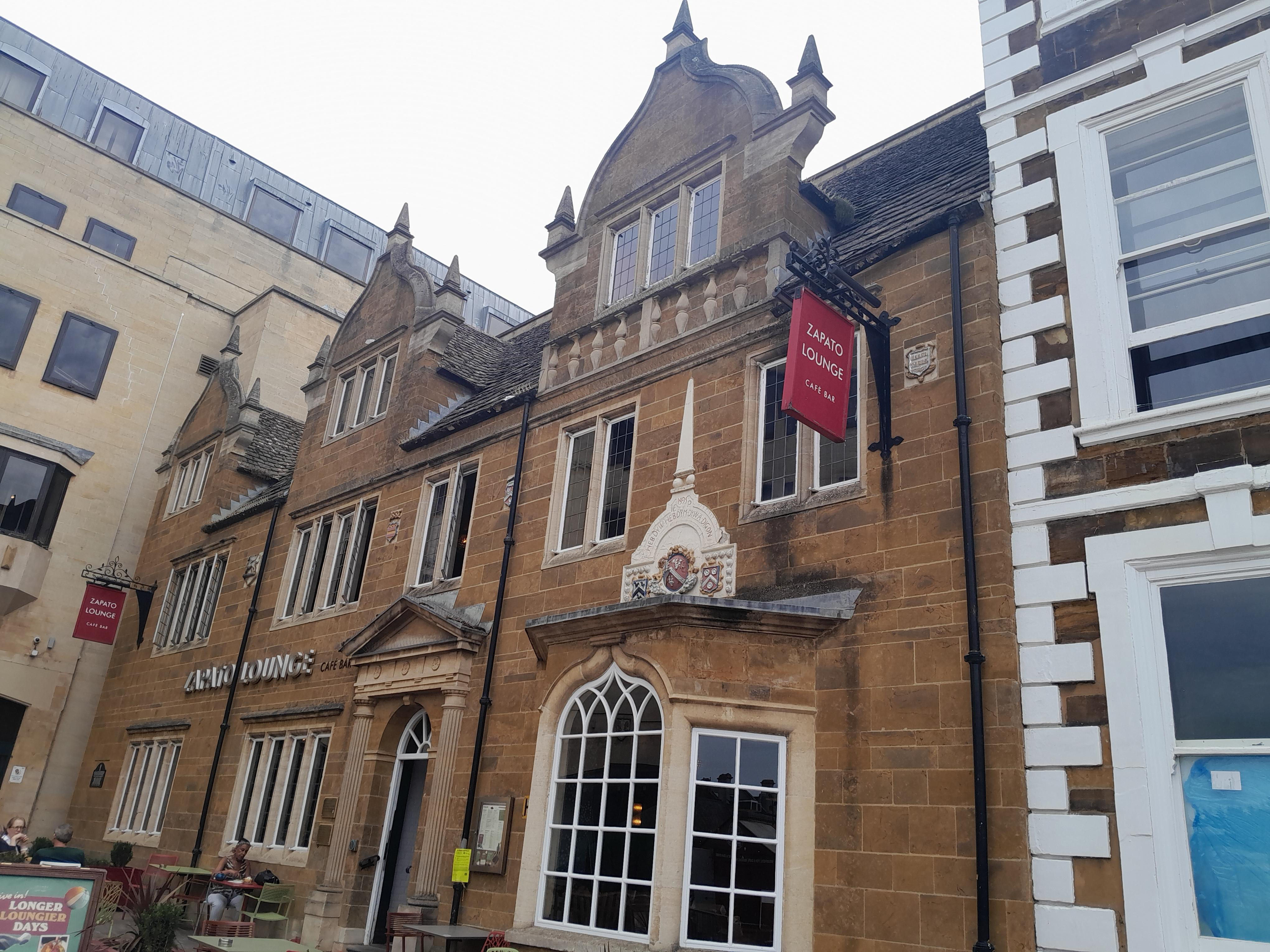
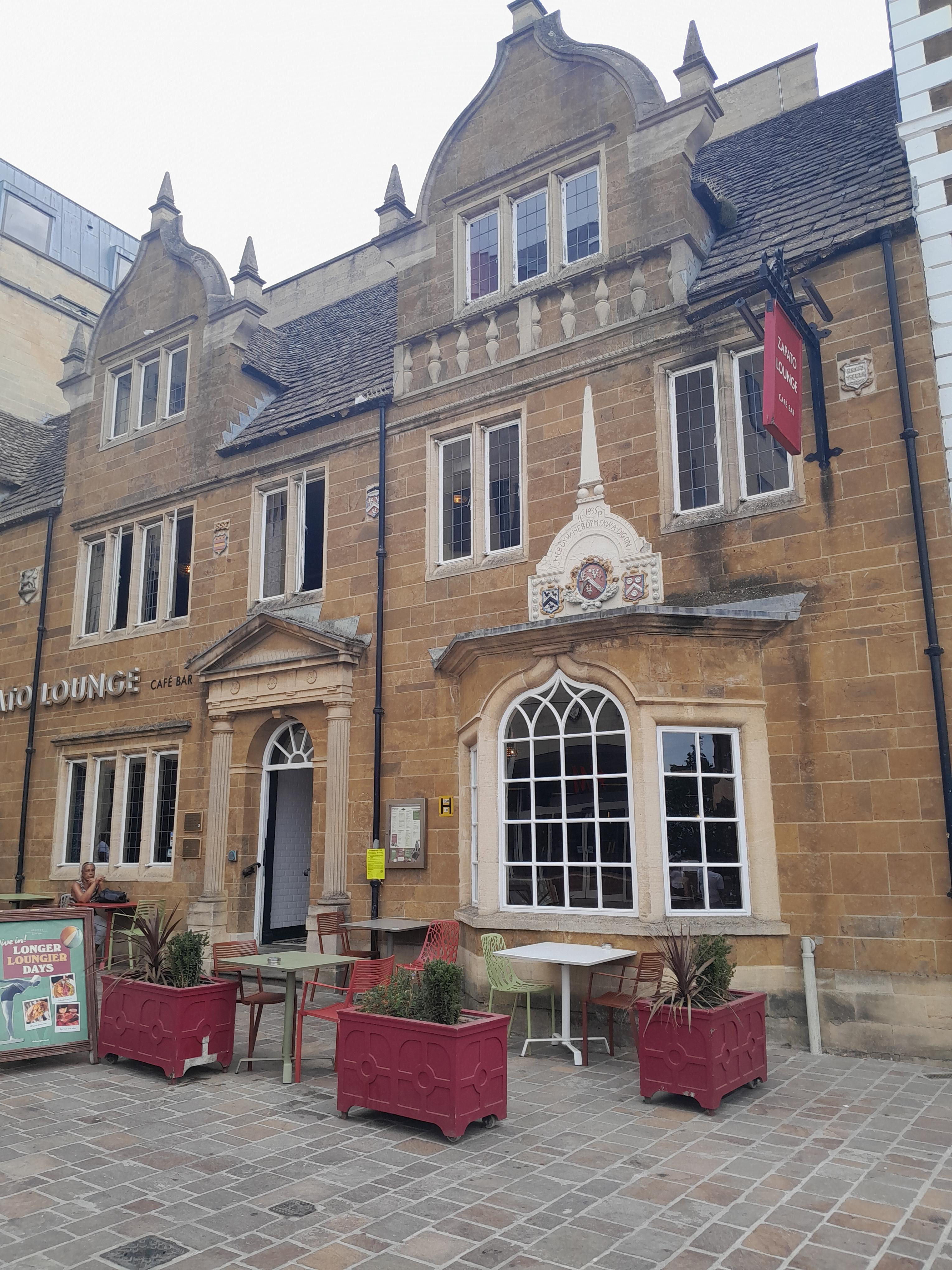
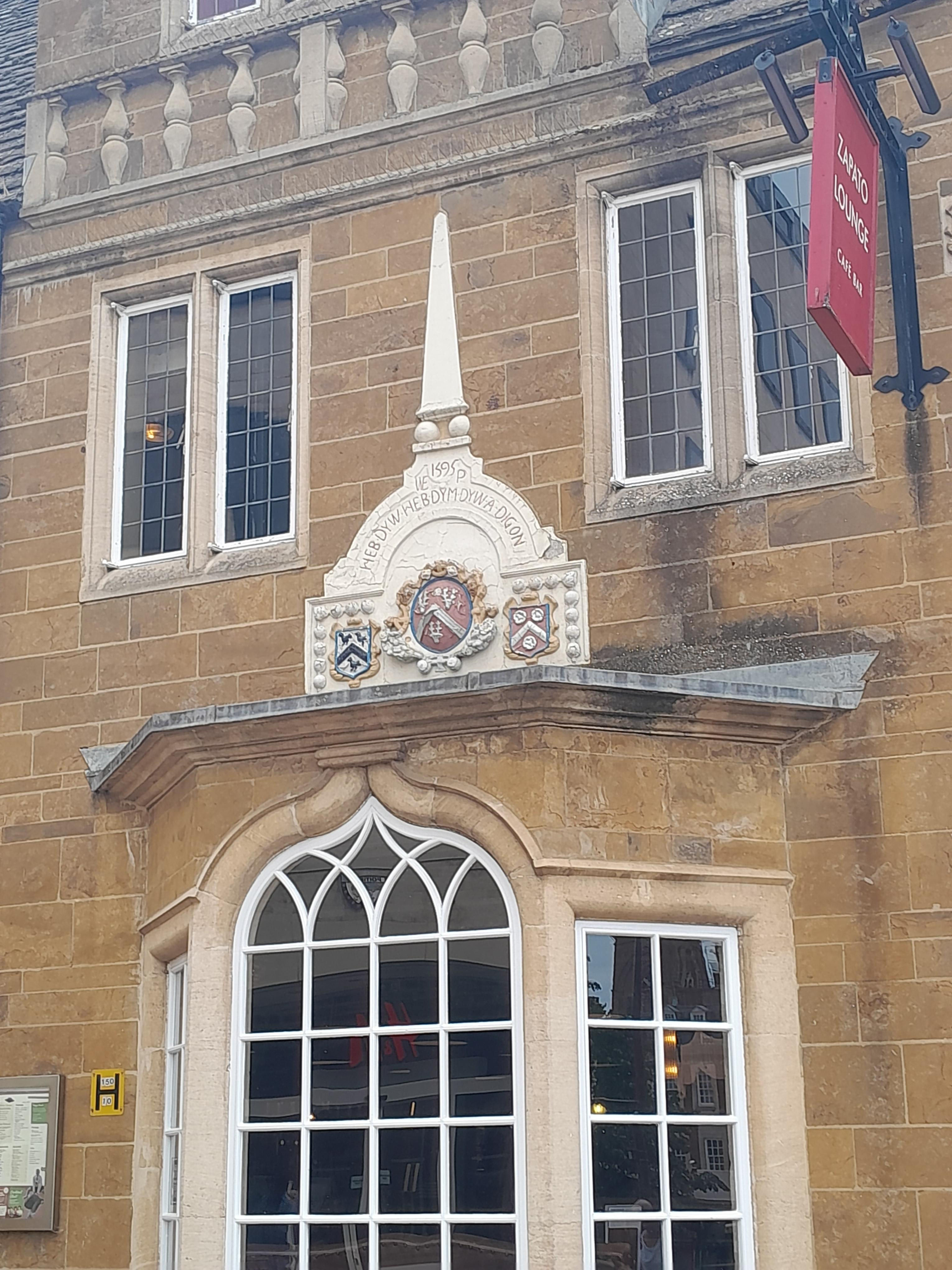

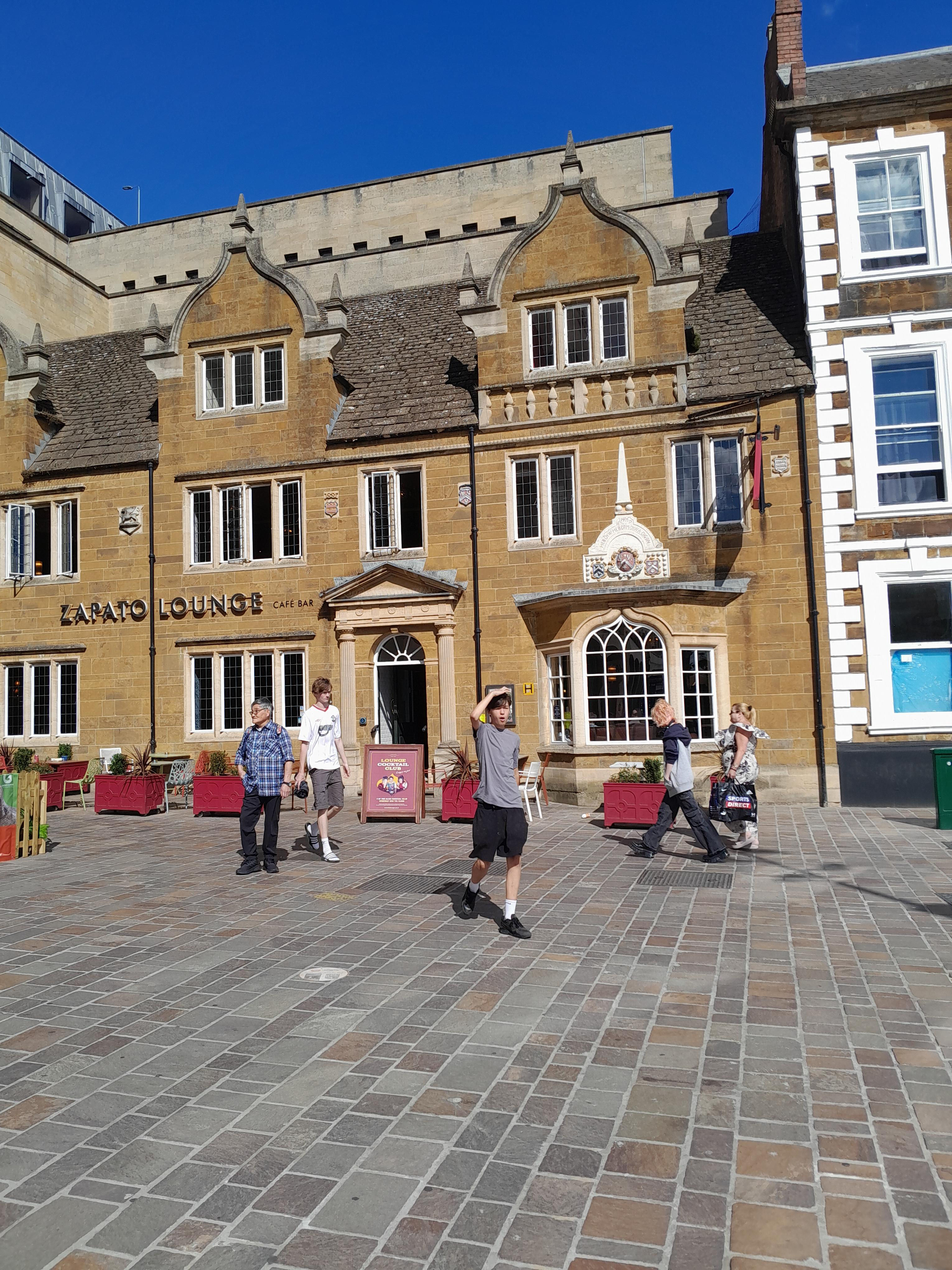
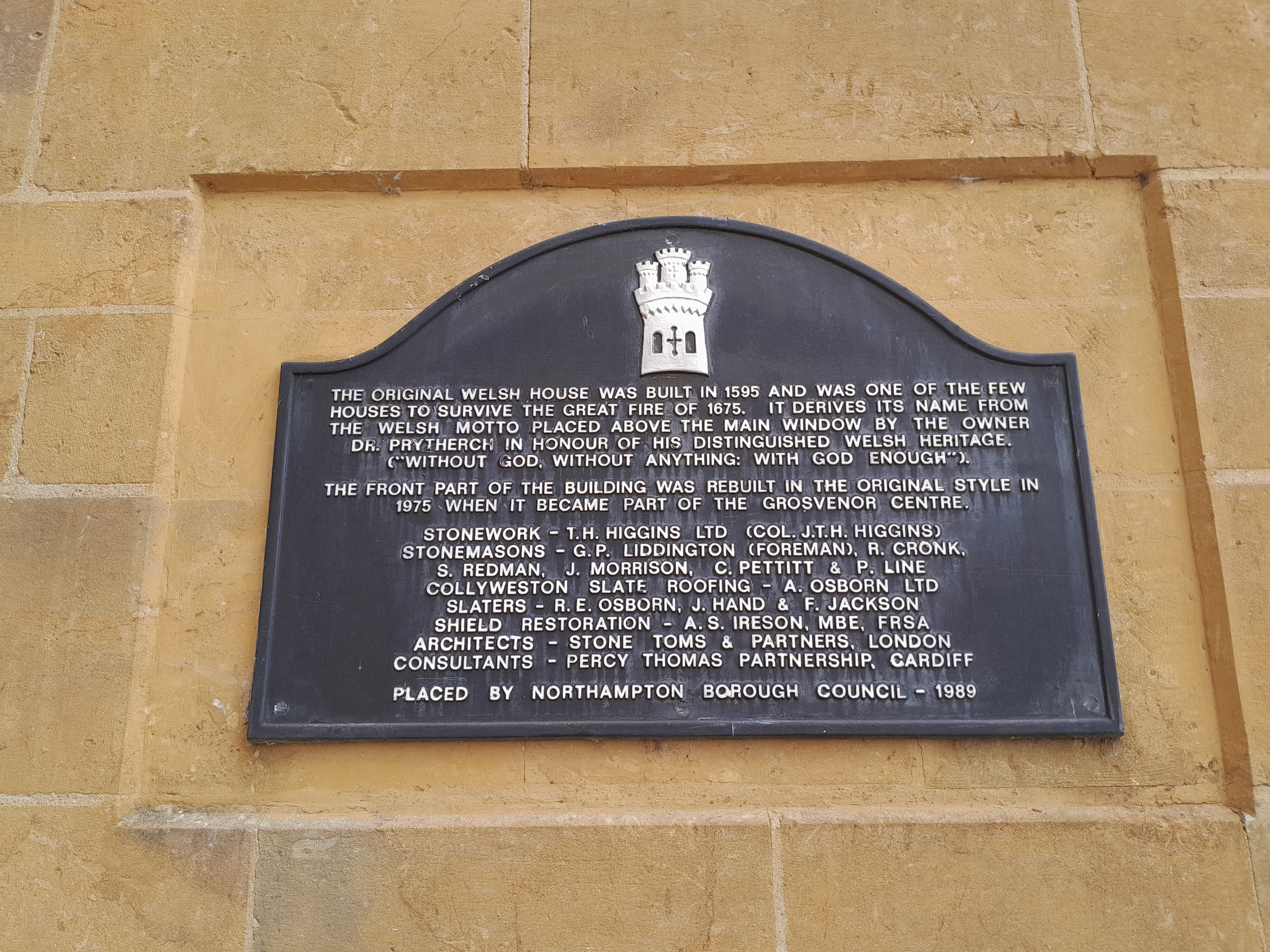
Marefair NN1 1SR - This is close to St Peters church.
It is not known exactly when the building was built, but an examination of the building's roof trusses suggests that the property dates from the early 16th century and it is one of the few houses to escape the Great Fire of Northampton in September 1675, when only a part of it was destroyed. The building's name derives from the Hazelrigg family who owned it for many years. It has also been known as Cromwell House and Hazelrigg Manor. The Cromwell reference derives from a local tradition that Oliver Cromwell spent the night at Hazelrigg House on his way to the Battle of Naseby in 1645. Unfortunately this local reference isn't supported by any documentary evidence.
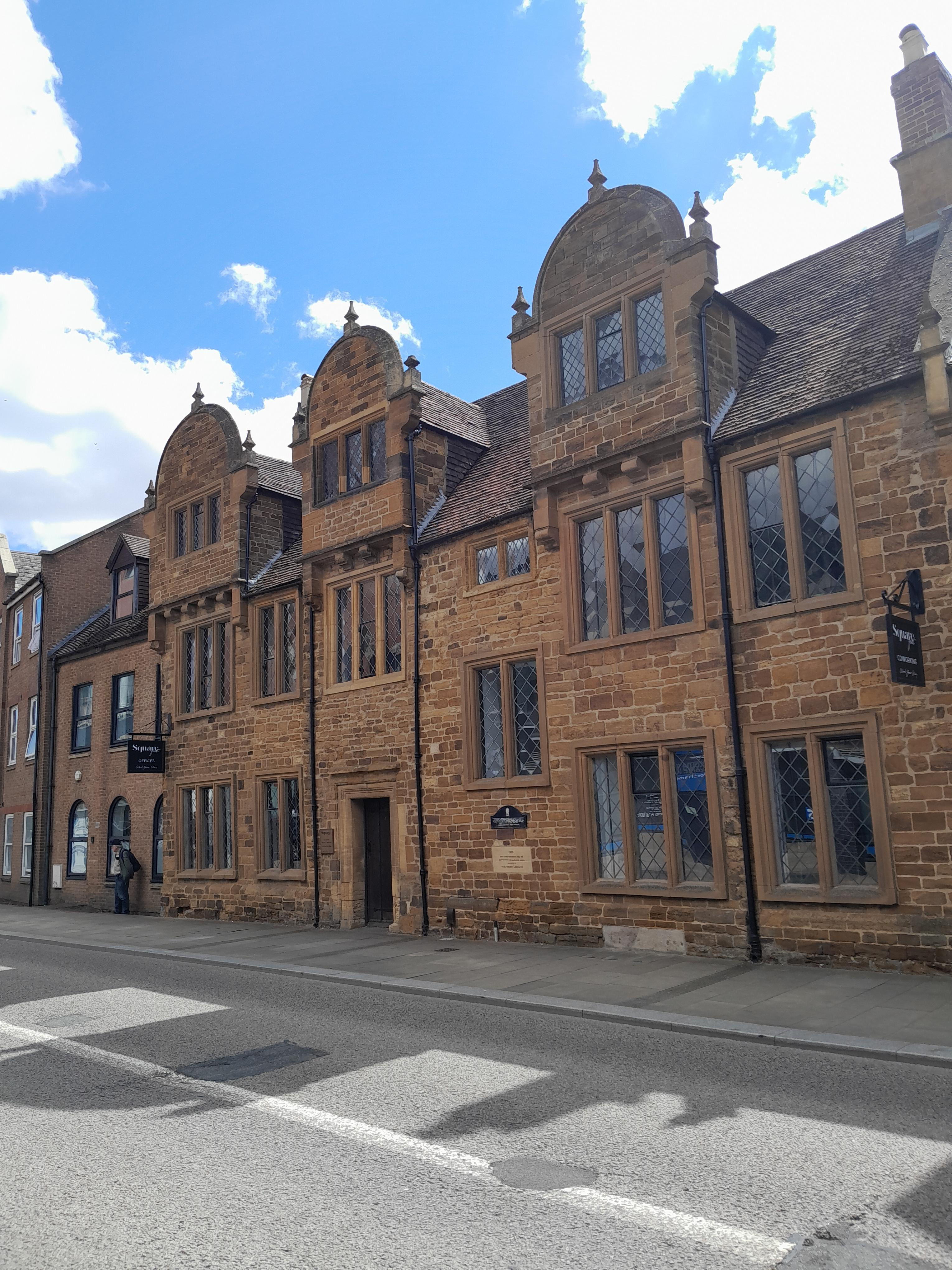
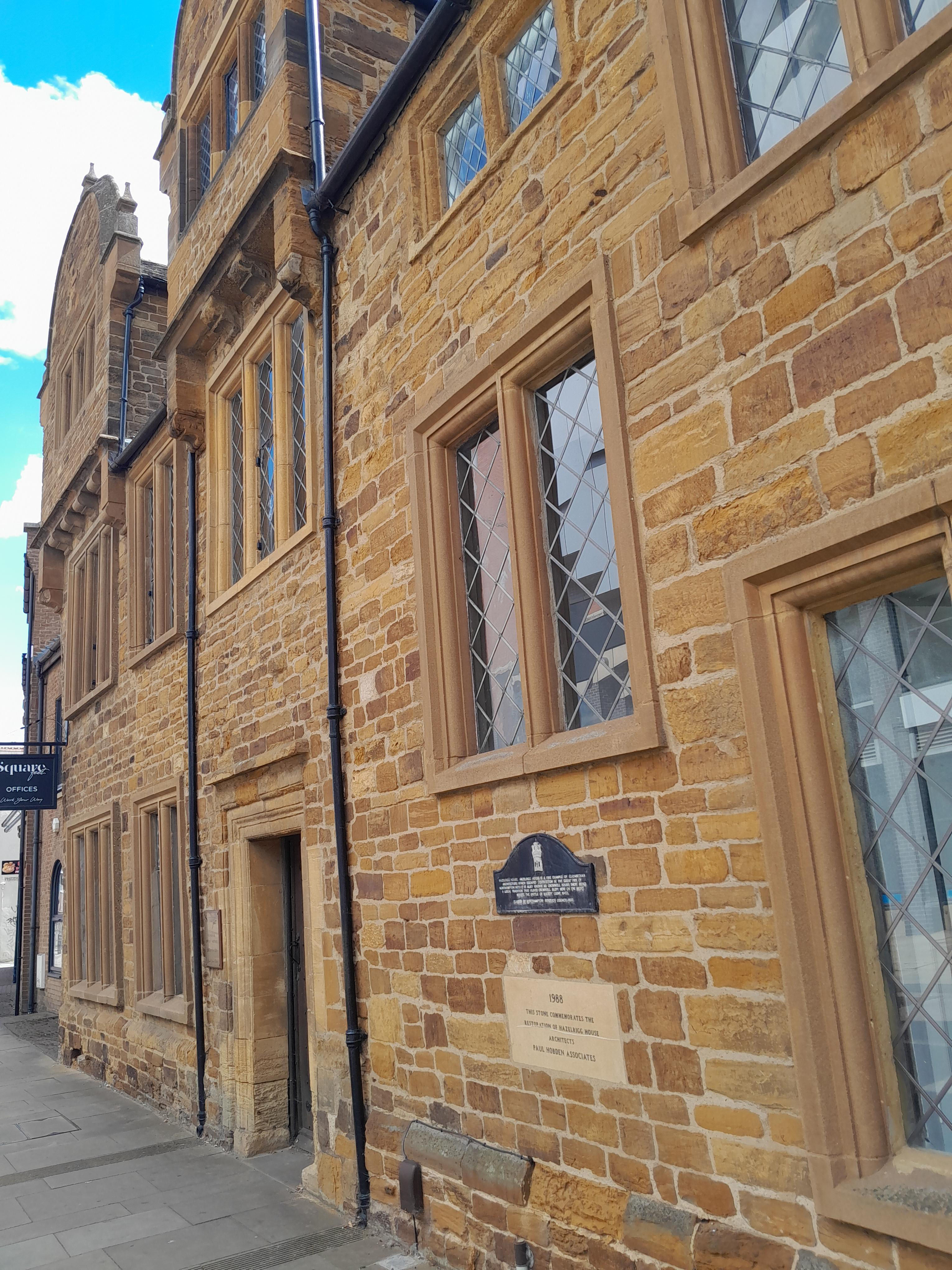

This is next to St Peters church.
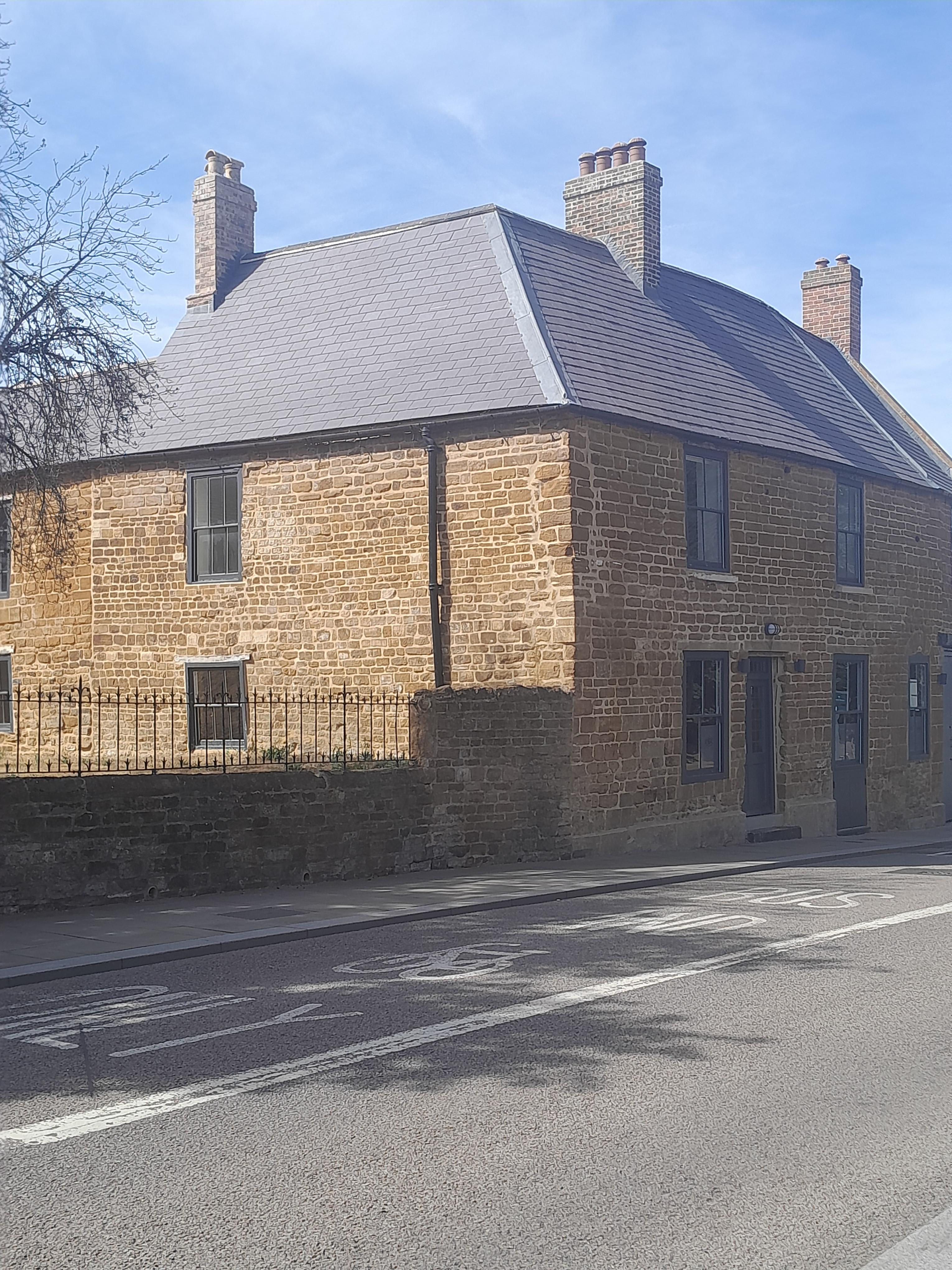

67-83 Bridge Street NN1 1PD
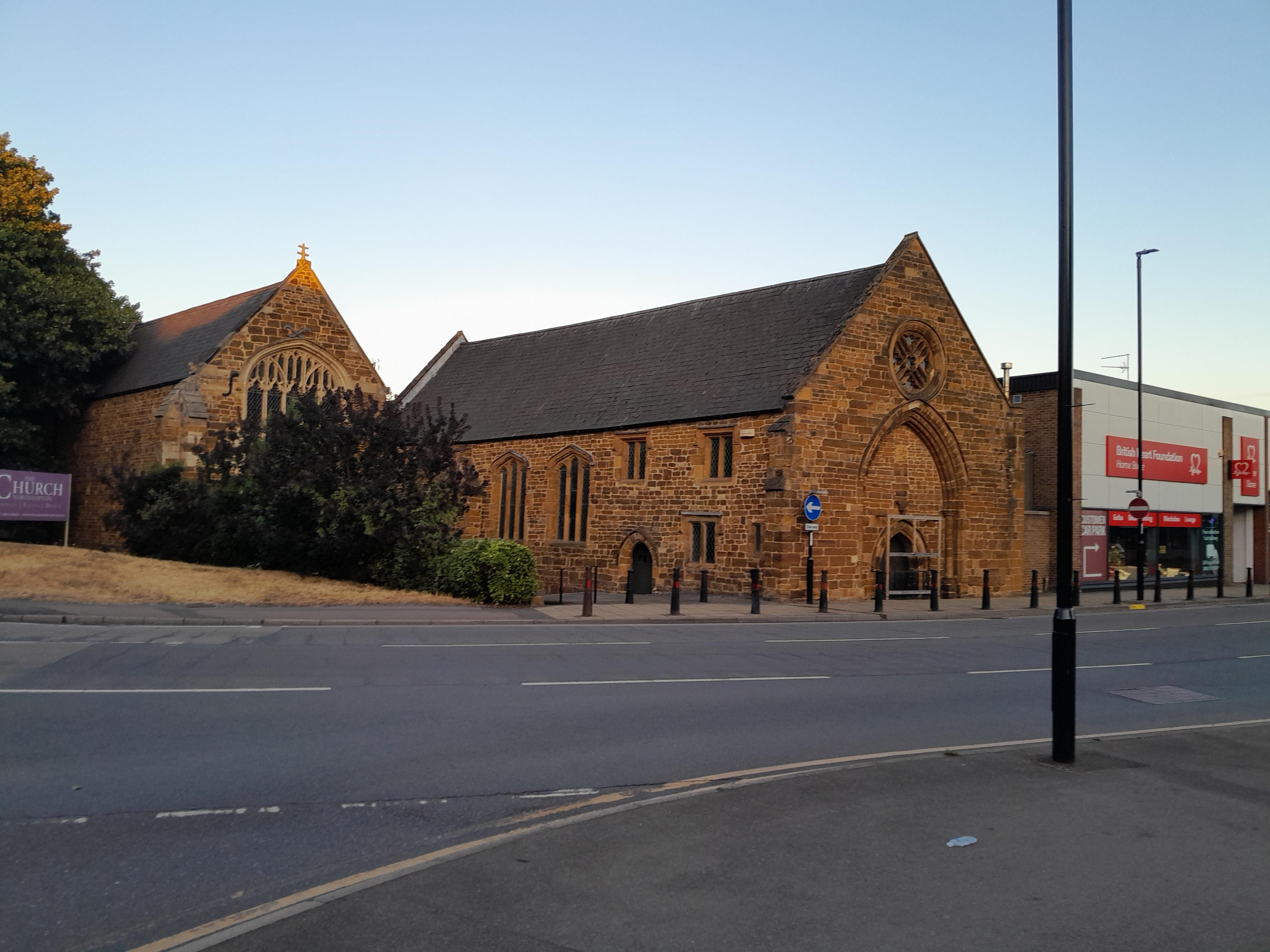
(From listing): Former Infirmary of the Hospital of Saint John. Almshouse from Reformation to 1870. Ashlar and coursed rubble. Nearly rectangular plan. Early C14 west wall has doorway in arched tall panel under round traceried window. C15 and Cl6 north wall. C18 east and south walls. Interior: symmetrical C17 staircase. Saint John's Roman Catholic Church and hall form a group.
It's opposite Albion Brewery Bar, which is why it's an evening photo!

This is the only built remains of Northampton castle (destroyed with the town walls by Charles II after the Restoration, because Northampton supported Oliver Cromwell!) It is in Black Lion Hill, on the way to Marefair. The what3words is "voter.salad.silk" - This is close to St Peters church. The sign by it admit that it was rebuilt in its current position to preserve it.
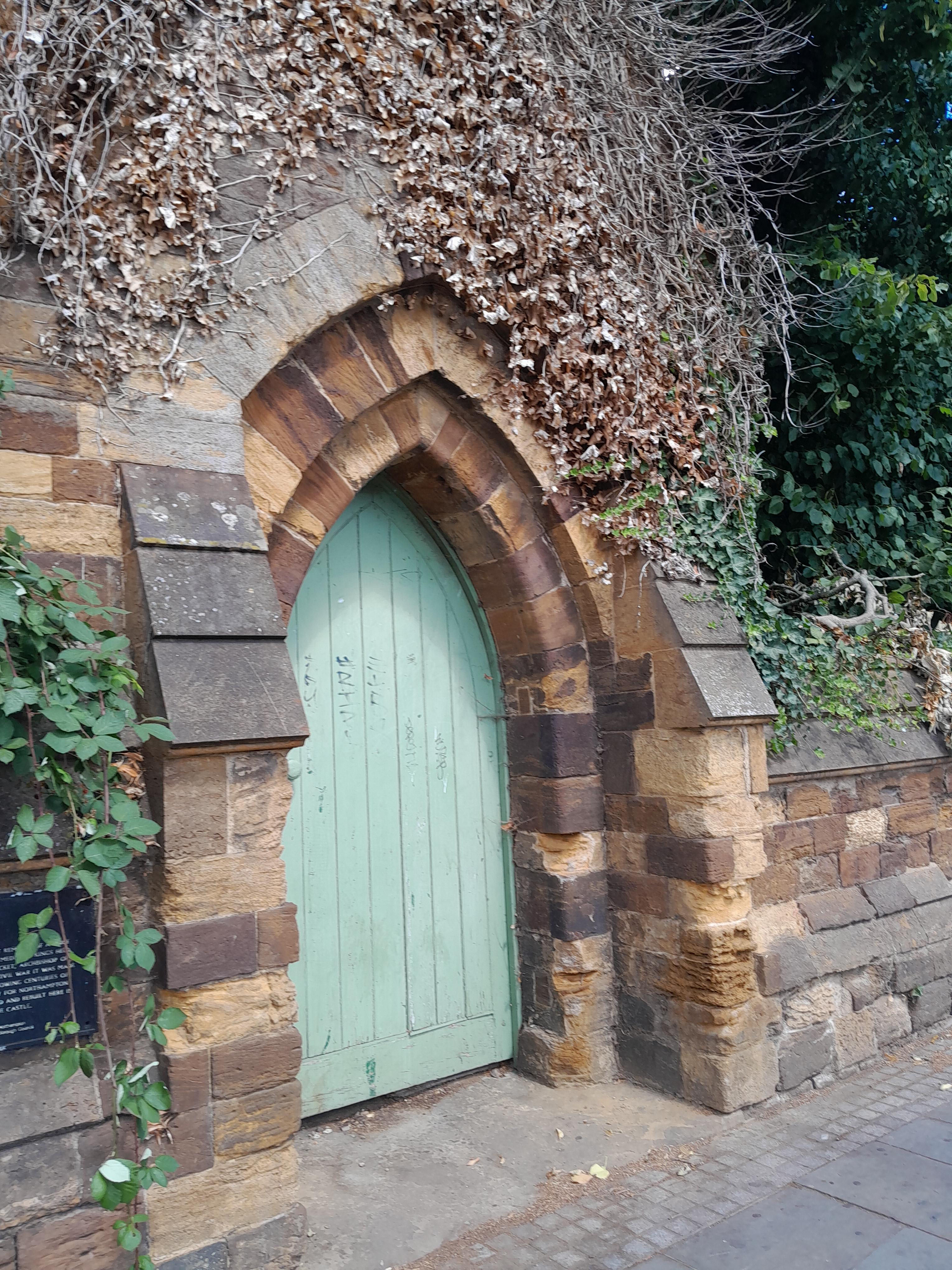
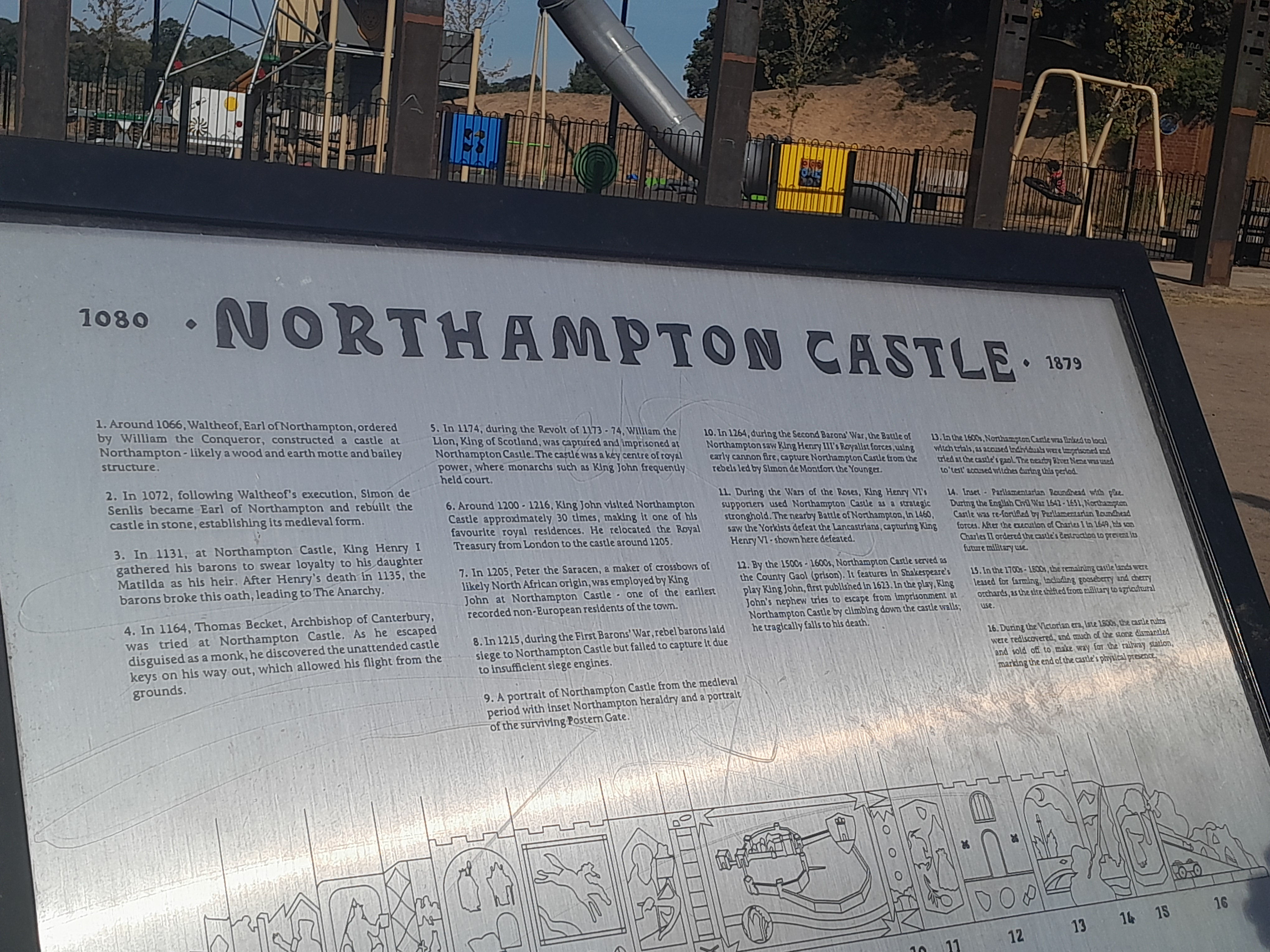
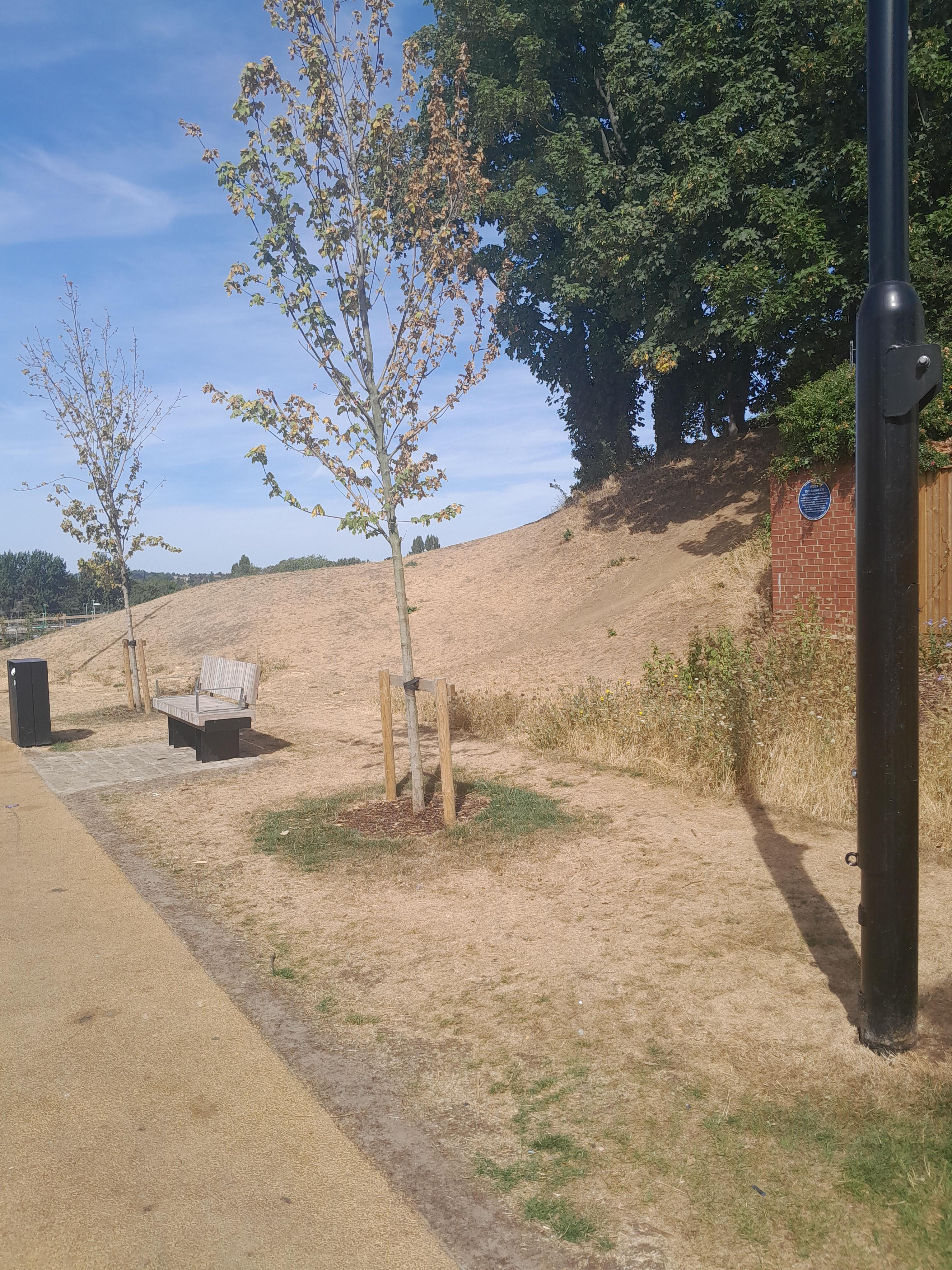
The Castle Heritage Park is on Chalk Lane, off Marefair. There is little left of the castle, other than the Postern Gate (see above) and a mound (see below). There is some art.

Tower Square NN5 5FH
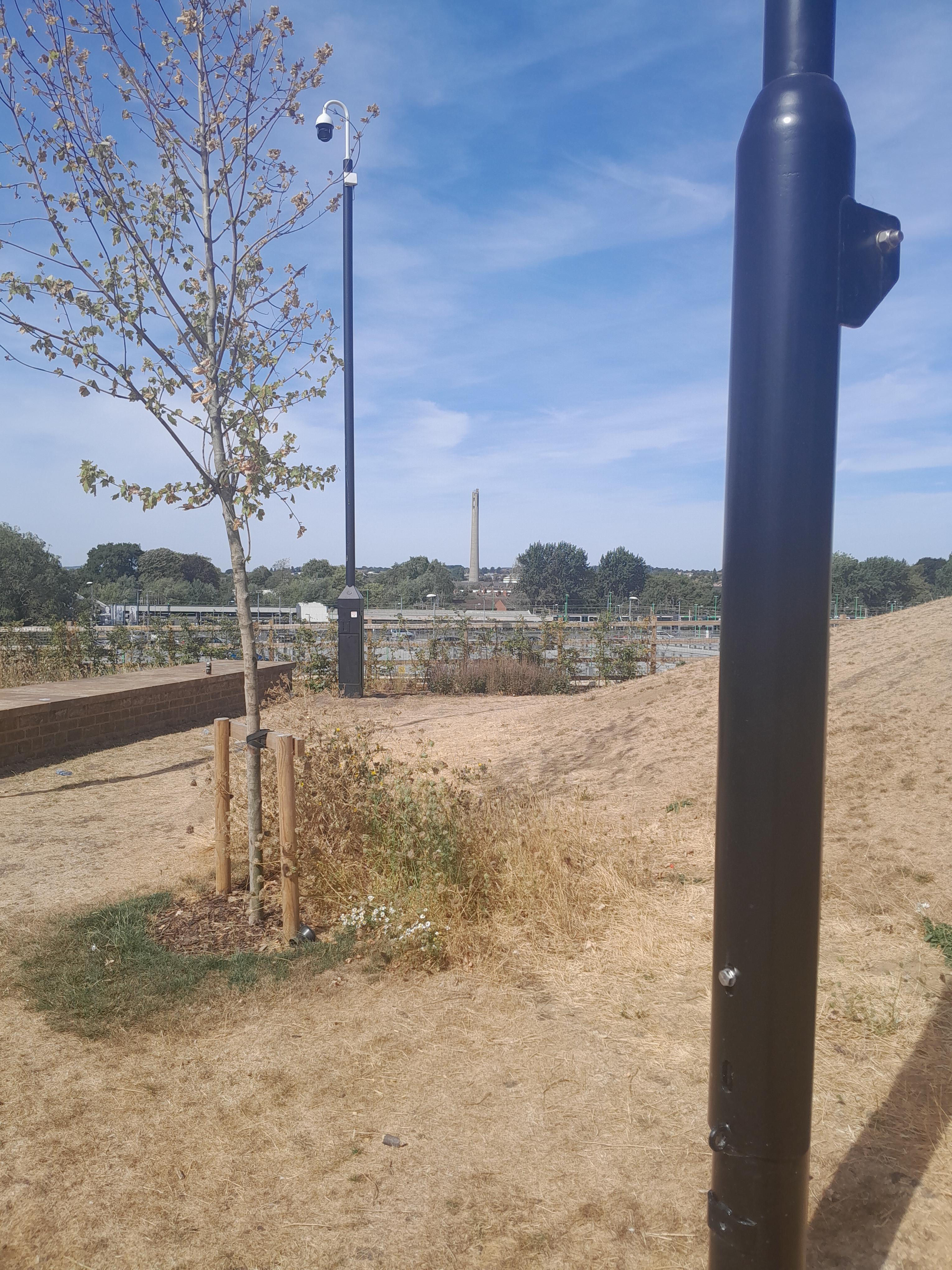
This is supposed to dominate the Northampton skyline, but we only saw it from the train, and from Castle Park.
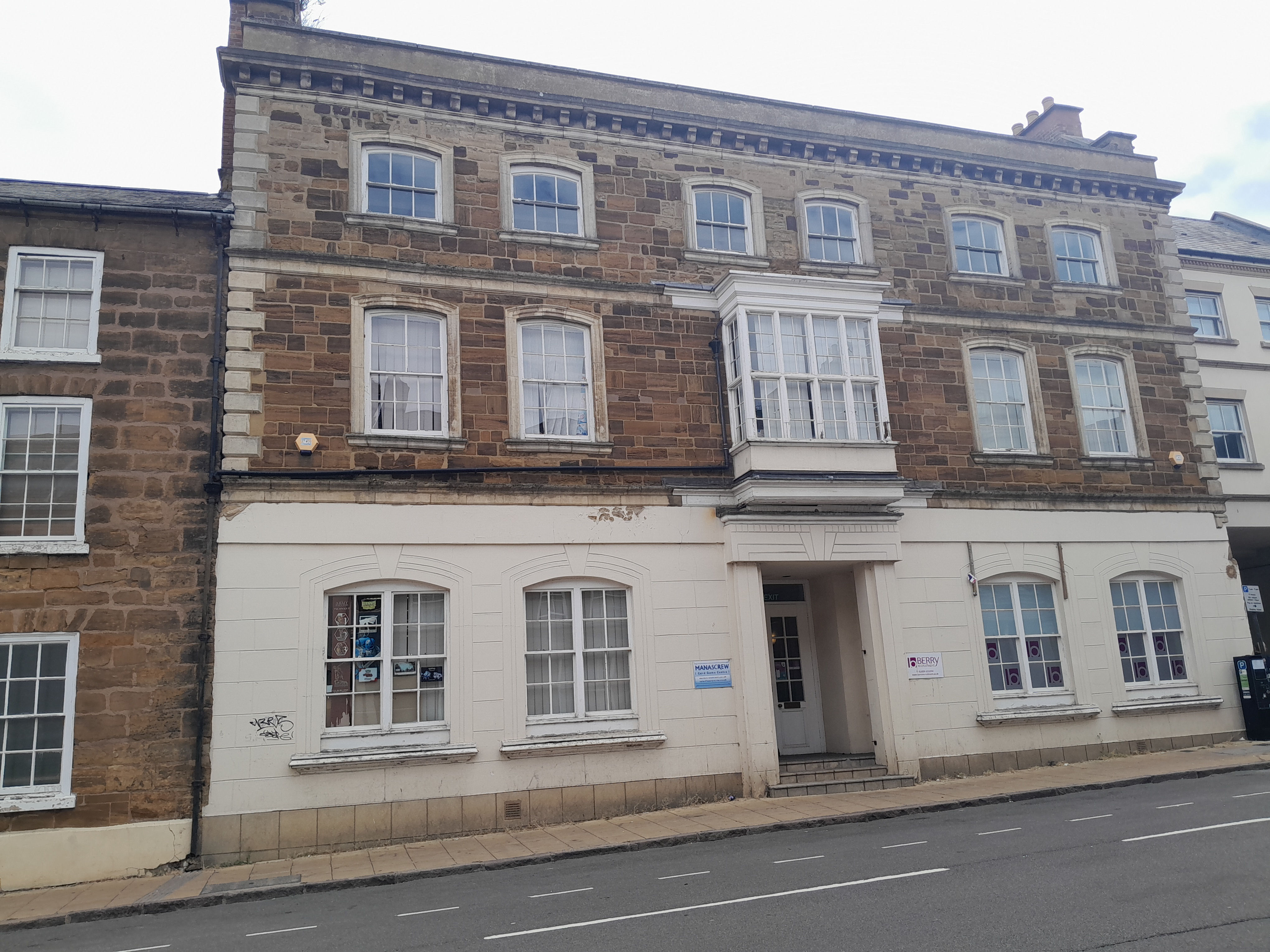
I think it's 52 Sheep Street.
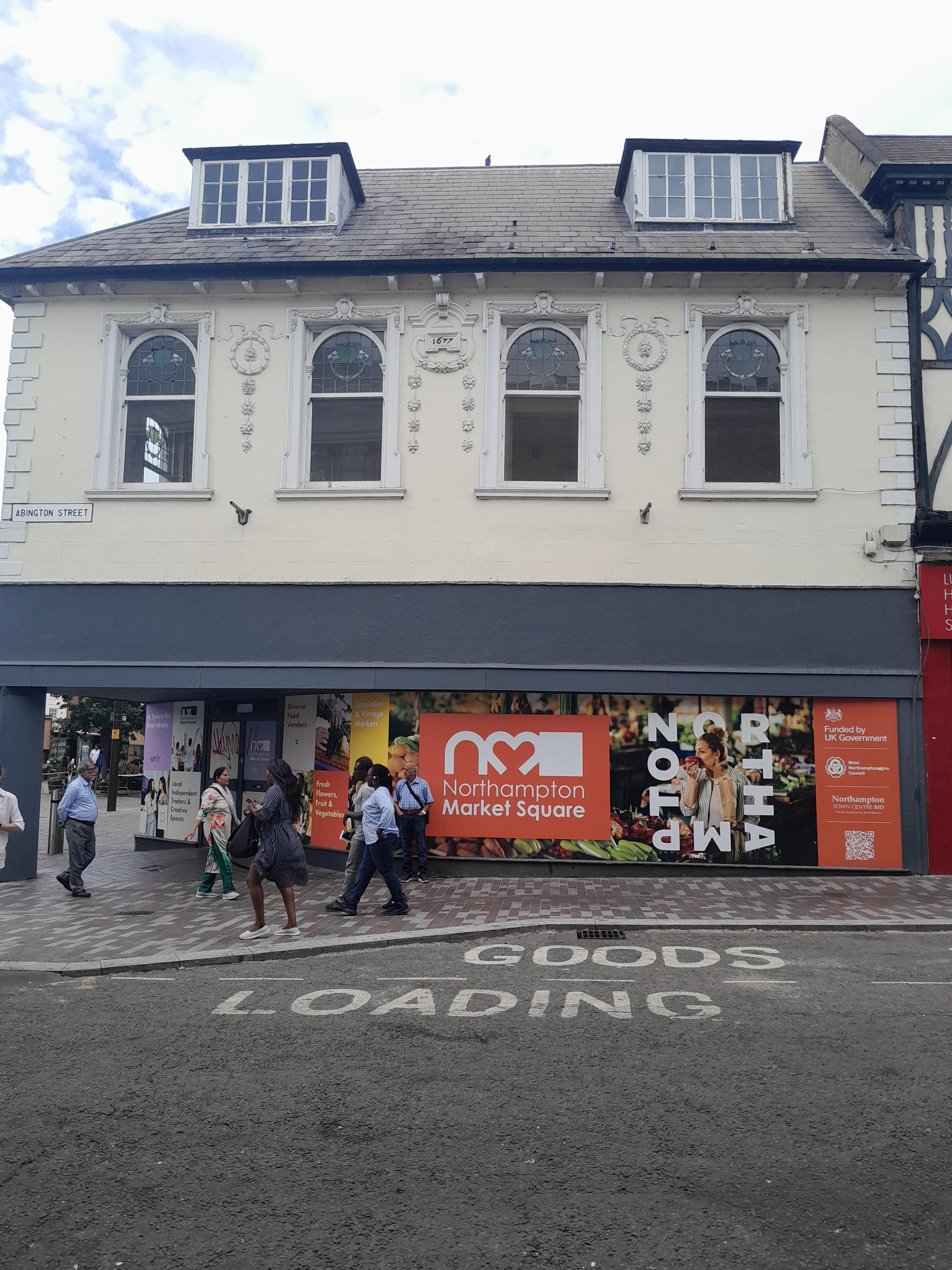
I think it's 4 Abington St.
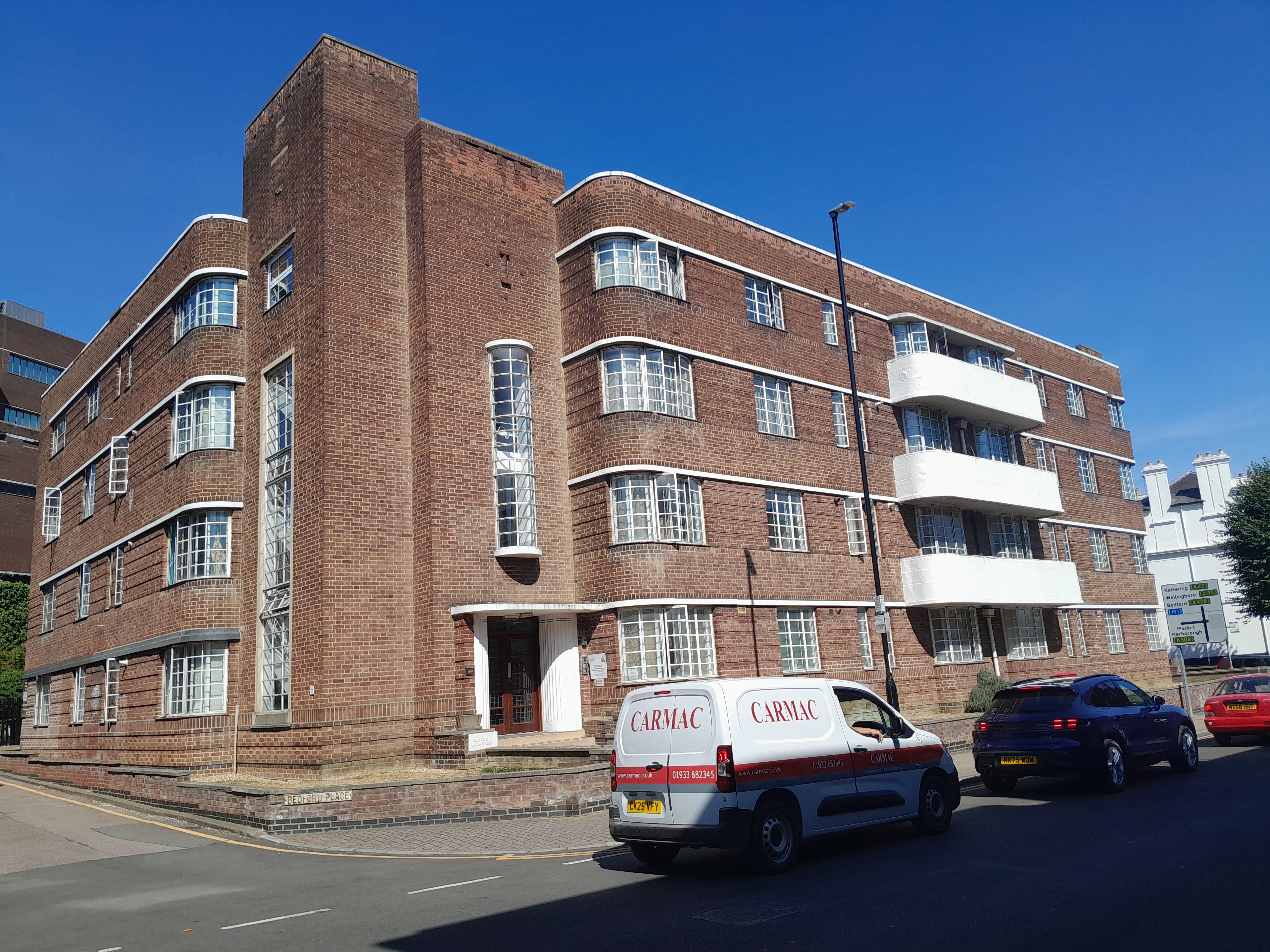
This Art Deco building is in Derngate, opposite 78 Derngate.
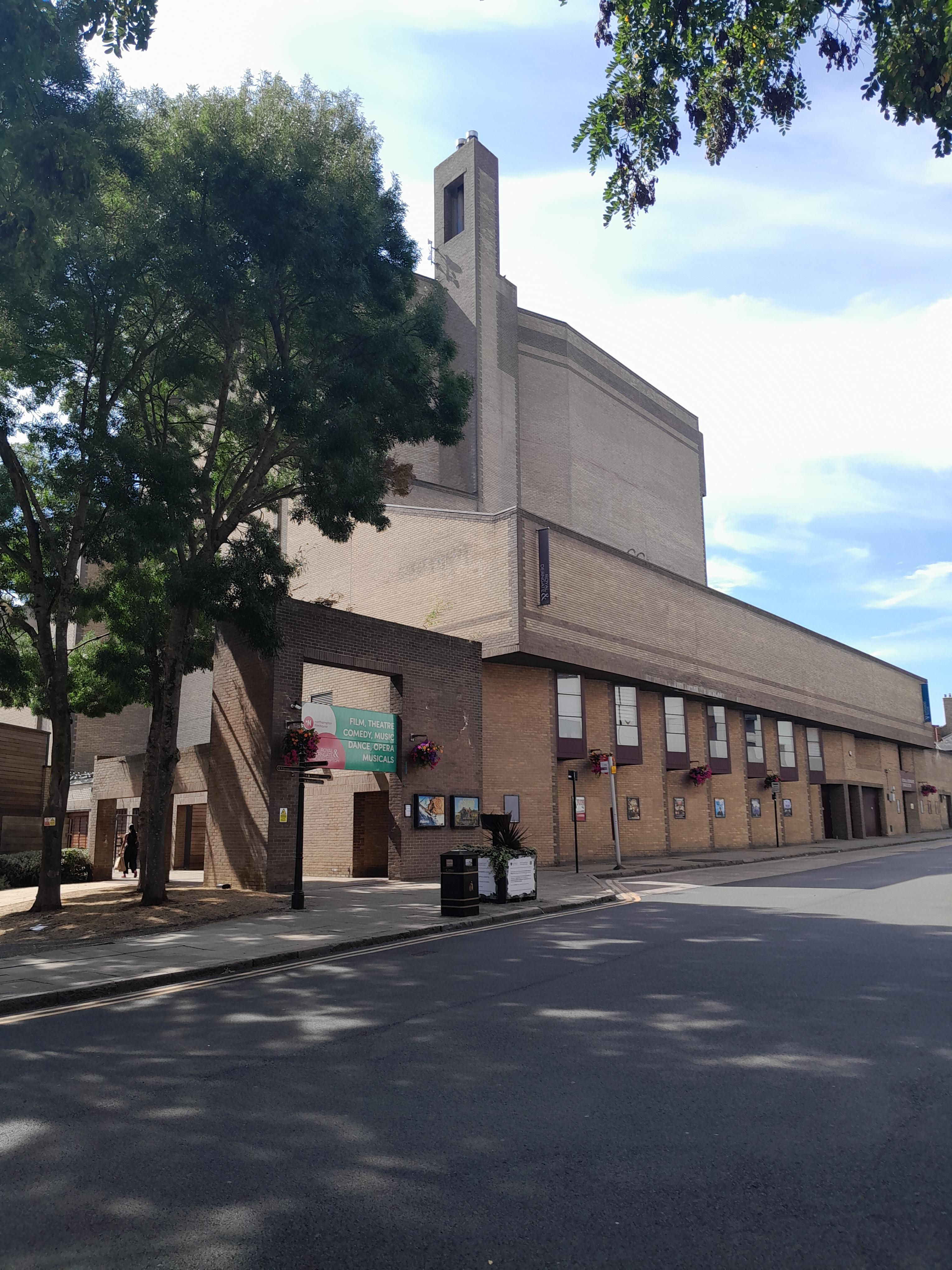
This is in Derngate, near the Guildhall. Rather an unlovely modern building, but I wondered if the tower was inspired by the National Lift Tower
At end of St Giles Street.
The church is a Grade I listed building. The oldest fabric is probably 12th century but the church had a thorough Victorian restoration. The tall crossing tower is 12th century but the upper stages were rebuilt in 1616 after a collapse, and the top was renewed in 1914. The 12th-century west doorway has been reset and restored. The chancel is probably 12th century but later widened, with remains of 13th-century lancet windows. The pulpit is Jacobean. The stained glass in the East window (1878) is by Clayton and Bell. The Victorian restoration by Edmund Francis Law was based on the 1840 report of George Gilbert Scott whose brother was curate.

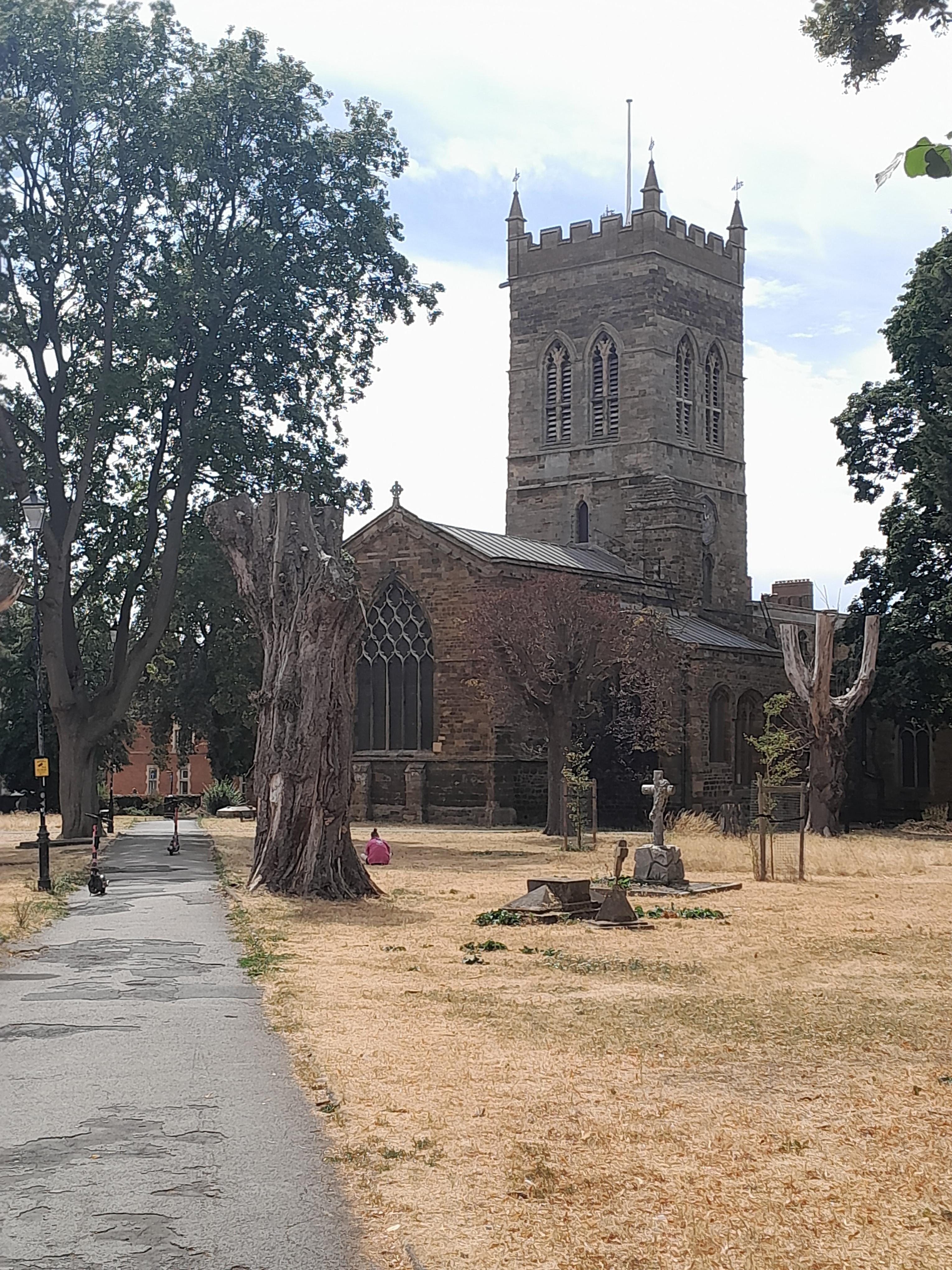
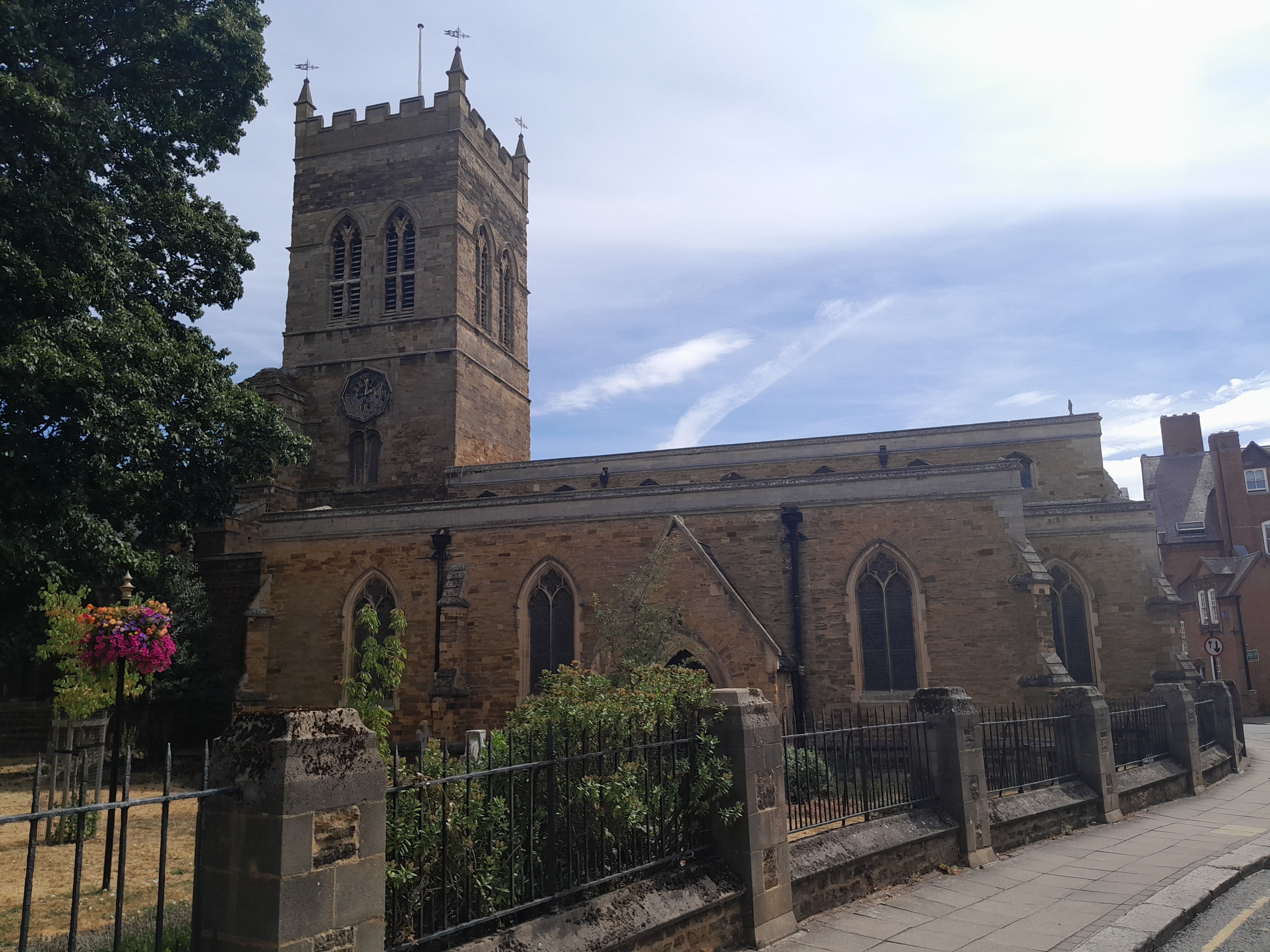
On Bedford Road - legend has it that Thomas Becket drank from this spring on fleeing his trial at Northampton Castle in 1164. The plaque says that the actual building you can see here was constructed in 1843.


On the London Road, south of Delapre Park can be found one of only three remaining Eleanor crosses. The cross commemorates the resting at nearby Delapre Abbey of the body of Queen Eleanor of Castile. King Edward I stayed at nearby Northampton Castle. The cross was begun in 1291 by John of Battle; he worked with William of Ireland to carve the statues. William was paid five marks (£3 6s. 8d) per figure. The cross is octagonal and set on some steps, the present ones being replacements. The cross is built in three tiers and originally had a crowning terminal - possibly a cross. It is not known when this was lost, but it had been lost by the time of the second Battle of Northampton in 1460. Its bottom tier features open books; these probably included painted inscriptions of Eleanor's biography and of prayers for her soul to be said by viewers, which are now lost.
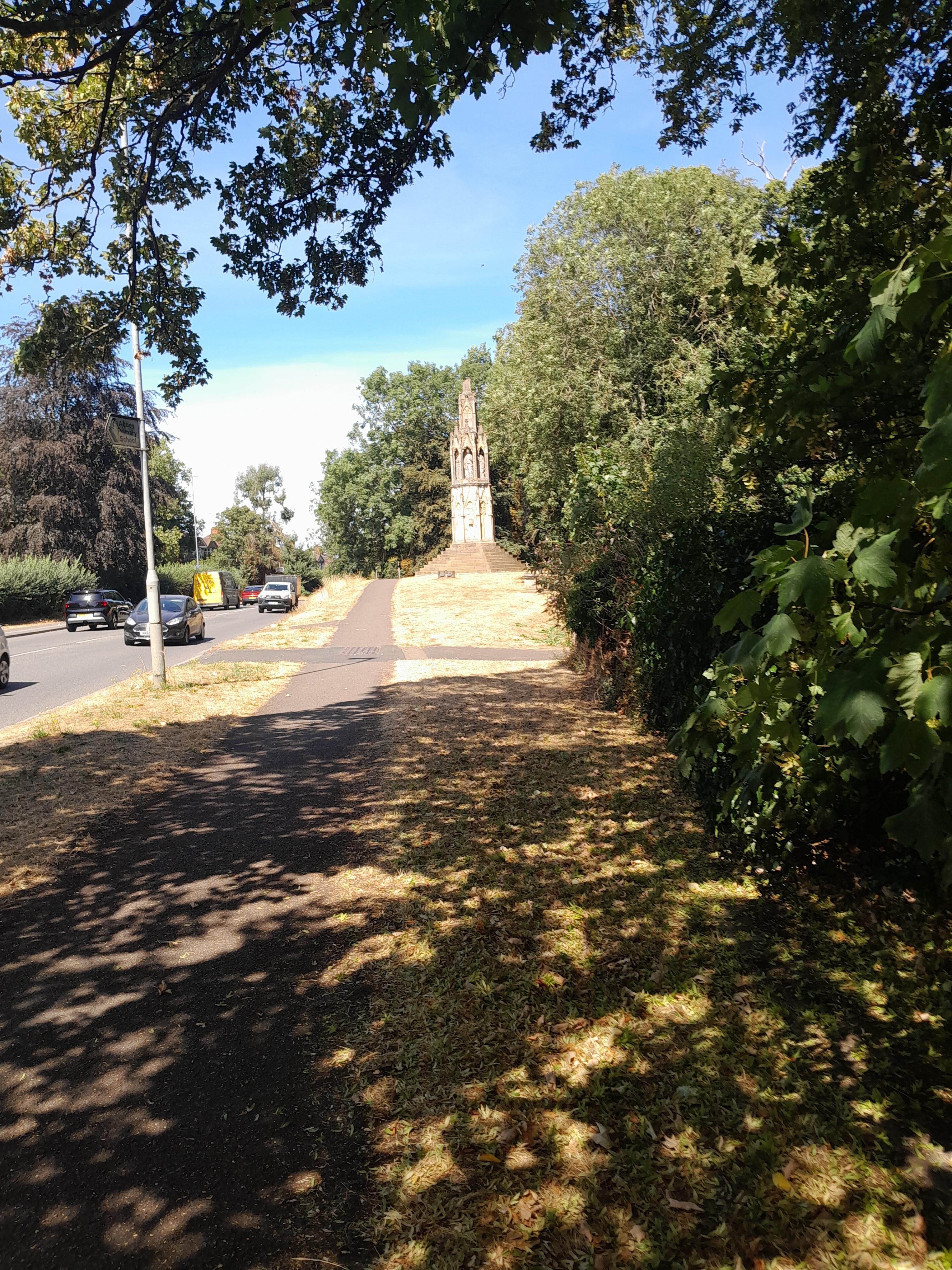
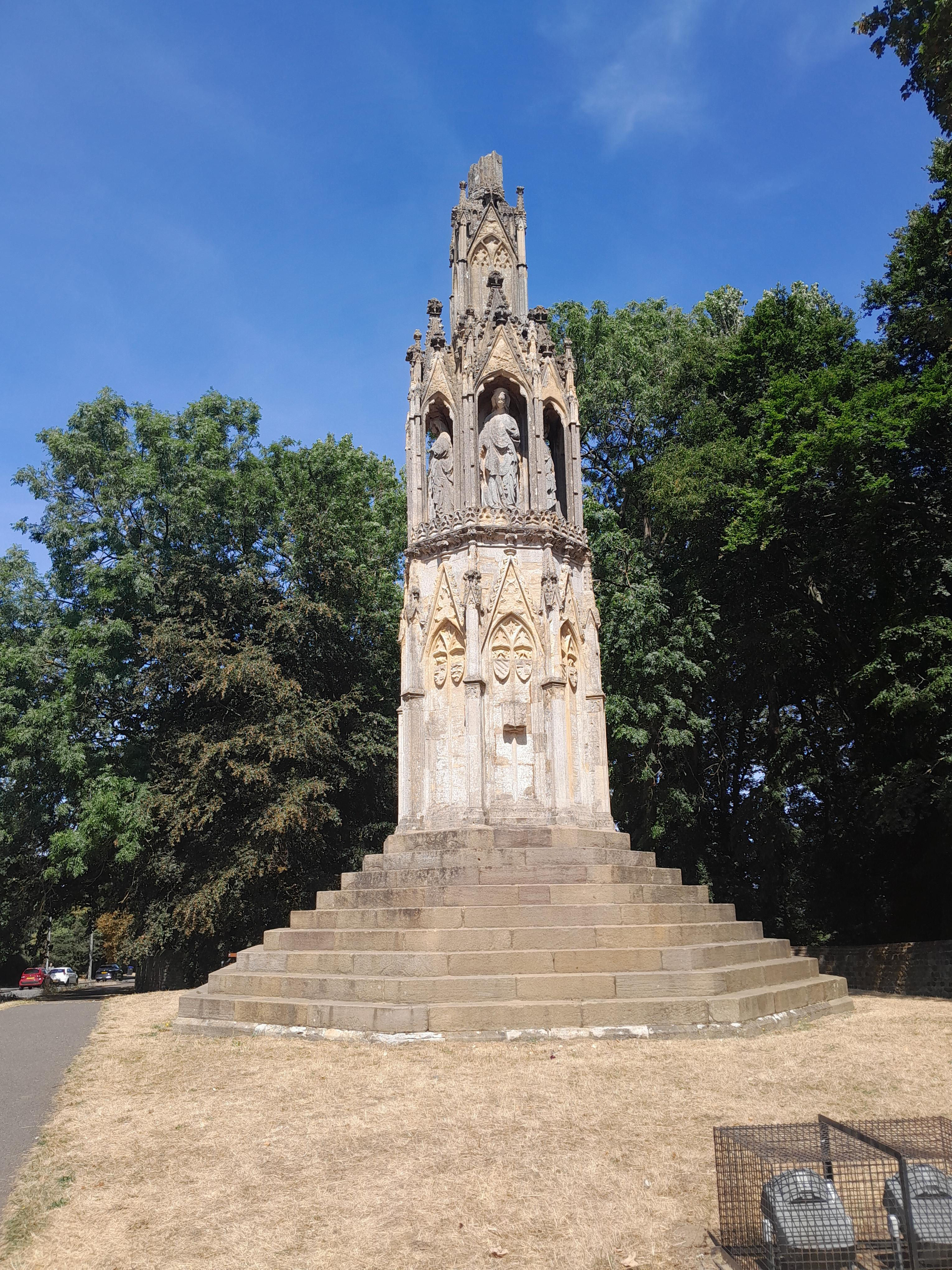
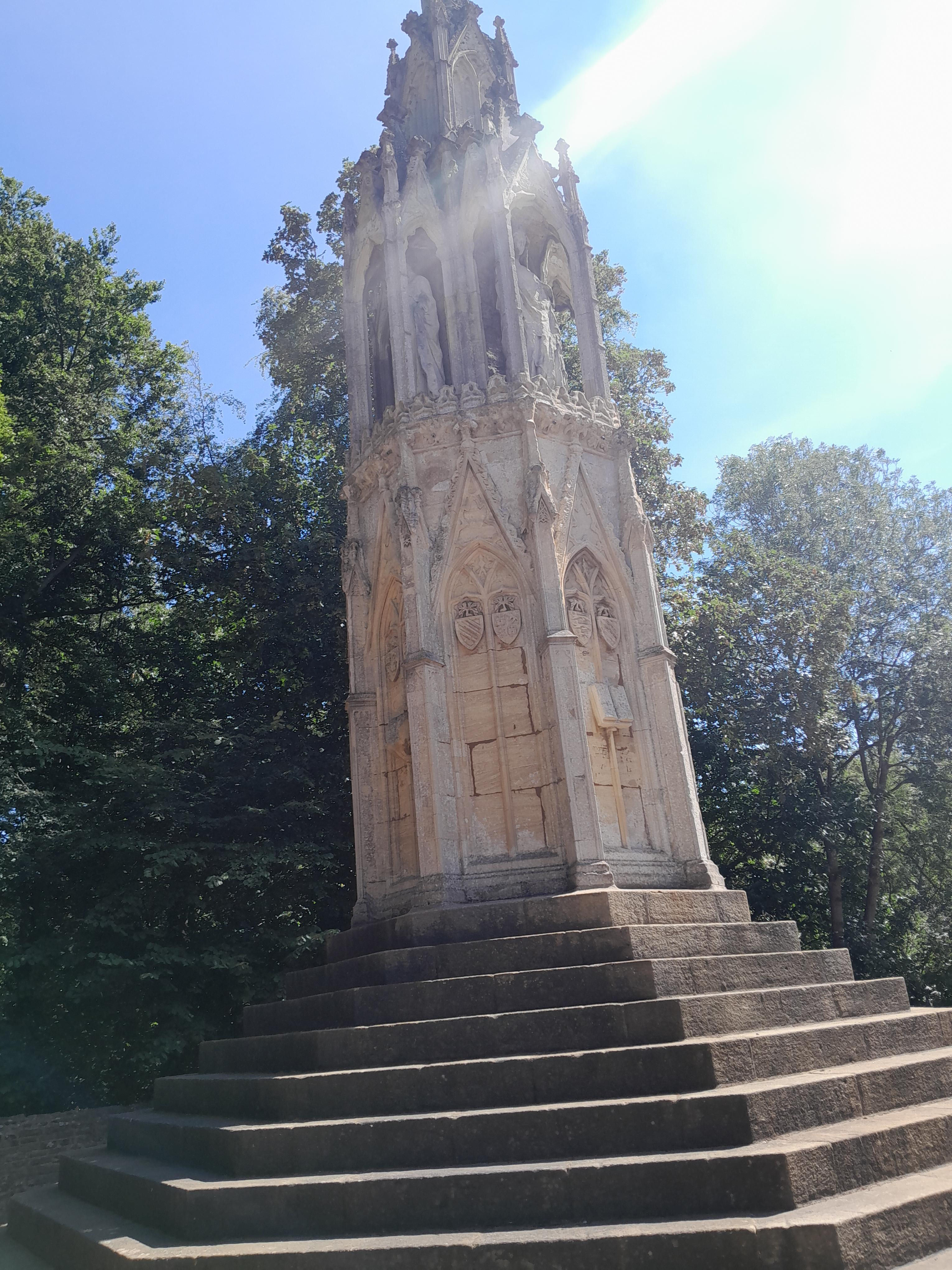
London Road NN4 8AW
Delapre Abbey is one of only two Cluniac nunneries in England, dating back to 1125, surviving until the dissolution of the monasteries in the 16th Century. Beyond the historic Abbey buildings, walled and semi-formal gardens lie over 500 acres of parkland. Including a gold course...
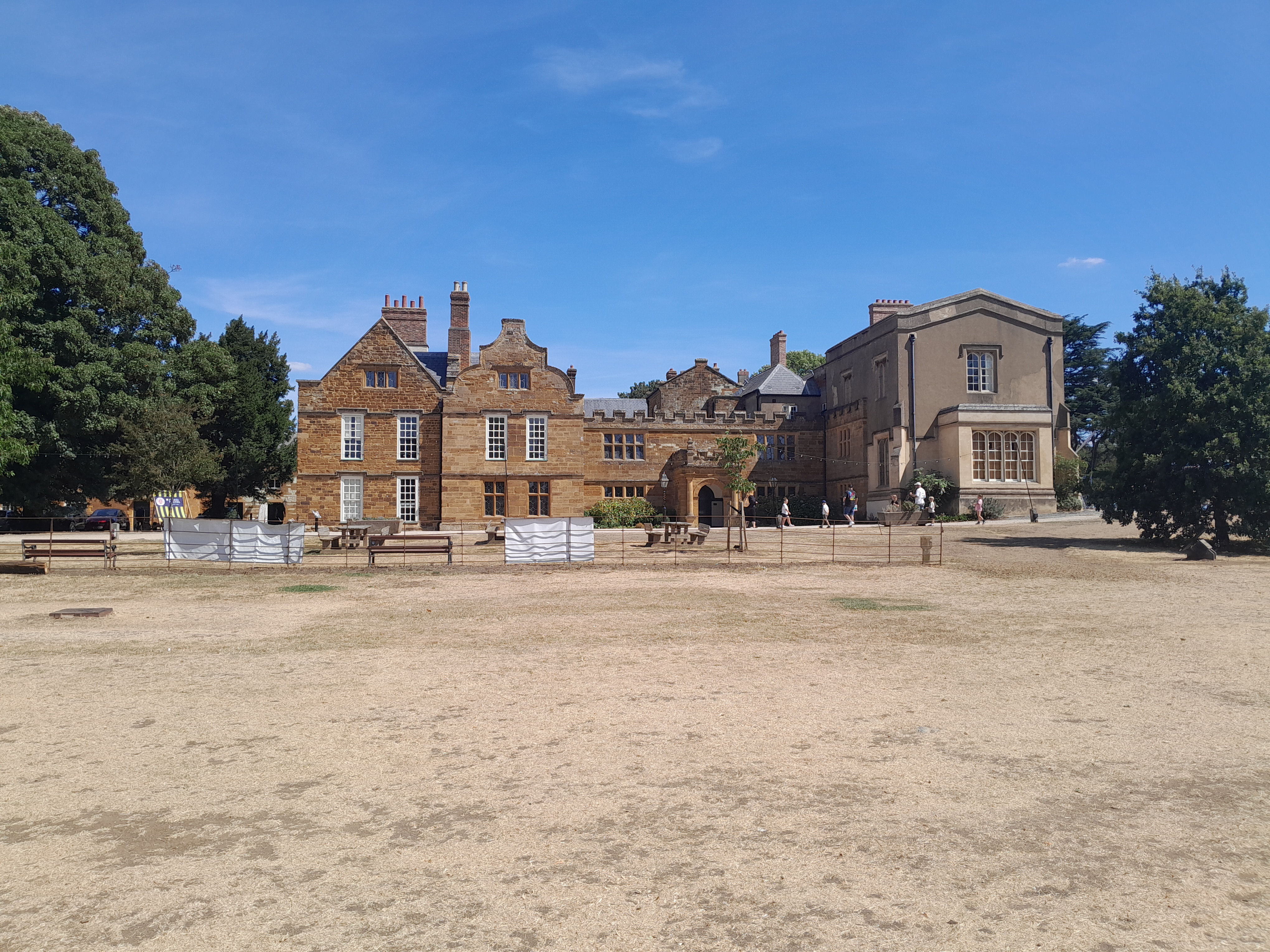
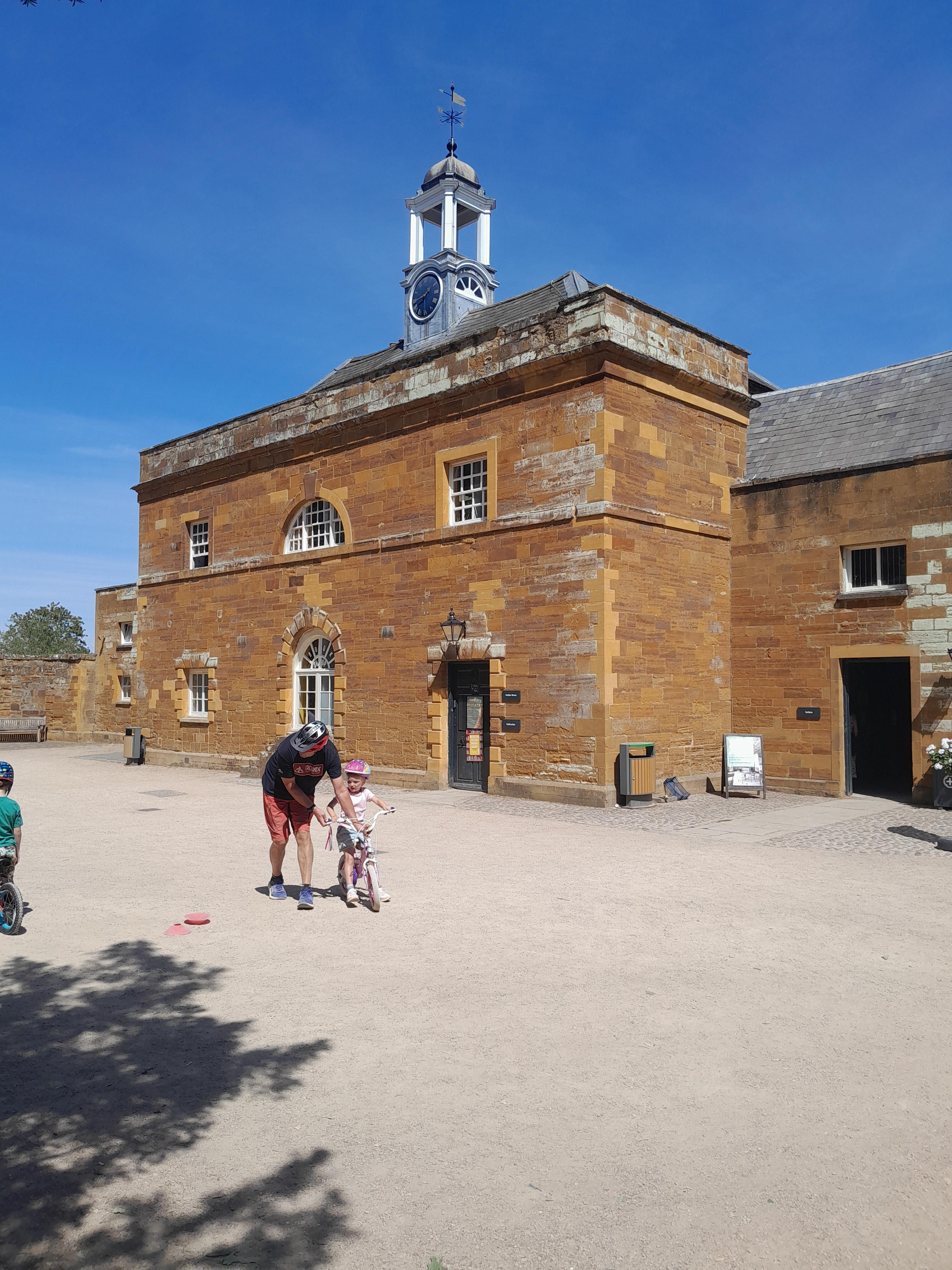
Tower Square NN5 5FH
This is supposed to dominate the Northampton skyline, but we only saw it from the train, and from Castle Park.
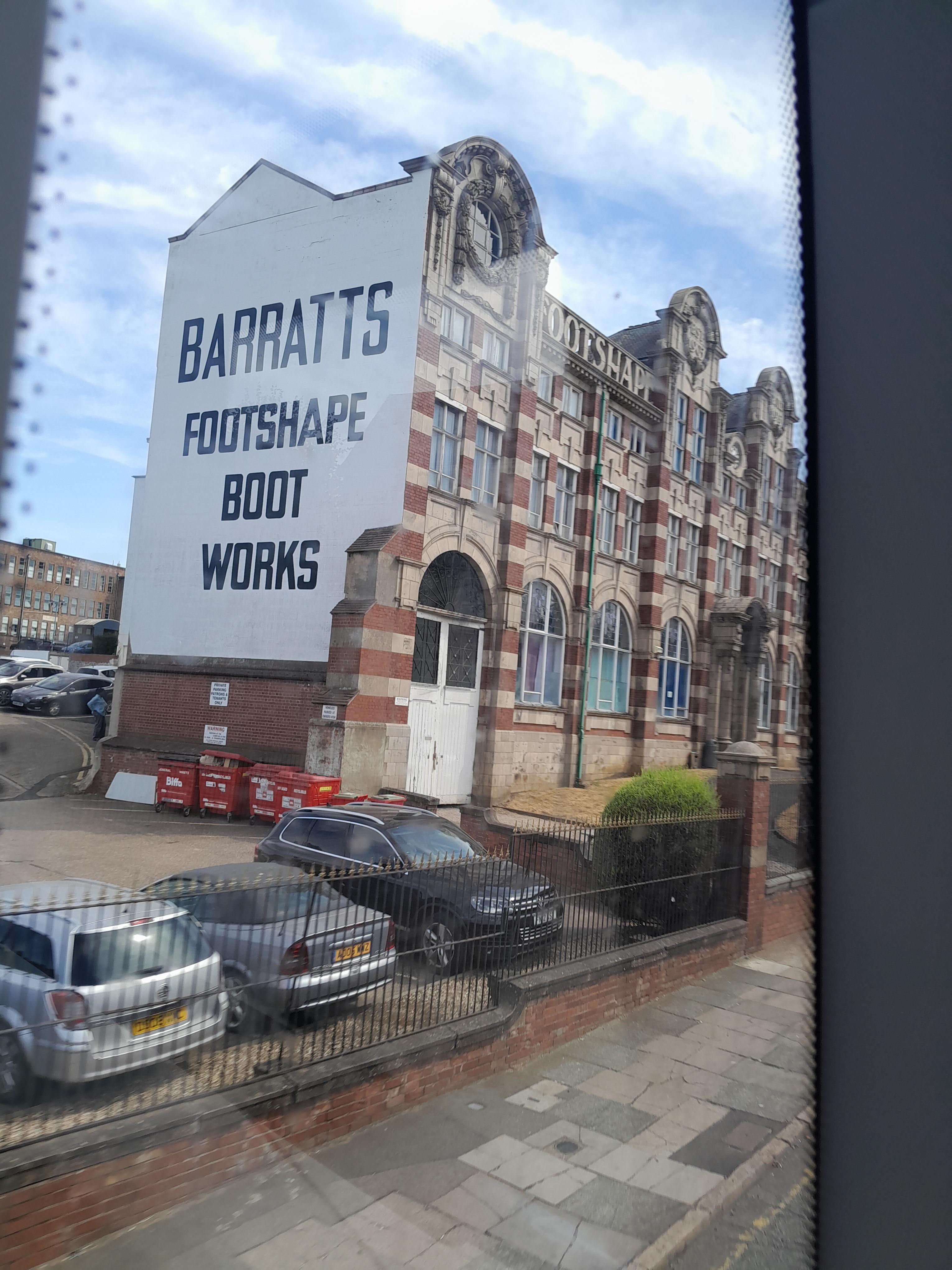
We saw this from the top deack of the bus back from the Northampton Lamport railway, so I'm not quite sure where it is. I'm rather proud that the photo came out as well as it did, as the bus was moving!
© Jo Edkins 2026